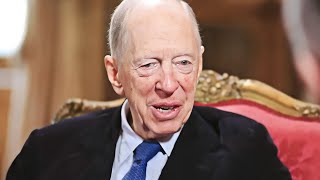
The Time the United States Ran Out of Money

Kurze Zusammenfassung

Das Video erklärt, wie die USA im Jahr 1971 ihren Zahlungsverpflichtungen nicht nachkommen konnten, weil sie mehr Geld ausgaben, als sie in Goldreserven hatten. Präsident Nixon setzte daraufhin die Golddeckung des Dollars aus, was zu einer Abwertung des Dollars führte. Ein ähnliches Ereignis ereignete sich bereits 1933 unter Präsident Roosevelt. Beide Male ermöglichte die Aufhebung der Goldbindung den USA, weiterhin mehr Geld auszugeben, indem sie einfach mehr Papiergeld druckten, was jedoch den Wert des Dollars verringerte.

  • Die USA hatten nicht genug Gold, um alle Dollar zu decken.
  • Nixon setzte die Golddeckung des Dollars aus.
  • Der Aktienmarkt stieg überraschend an.
  • Ein ähnliches Ereignis ereignete sich bereits 1933 unter Roosevelt.
  • Durch das Drucken von mehr Geld wurde der Dollar abgewertet.

Die Zahlungsunfähigkeit der USA im Jahr 1971

Im Jahr 1971 erlebte der Sprecher als junger Angestellter an der New Yorker Börse, wie die USA ihren finanziellen Verpflichtungen nicht mehr nachkommen konnten. Damals diente Gold als Währung für internationale Transaktionen, und Papiergeld wie der Dollar funktionierte wie ein Scheck, der gegen Gold eingetauscht werden konnte. Die USA gaben jedoch deutlich mehr Geld aus, als sie einnahmen, und stellten mehr Papierschecks aus, als sie Goldreserven hatten.

Nixons Entscheidung und ihre Folgen

Als klar wurde, dass die US-Goldreserven zur Neige gingen, kündigte Präsident Nixon am 15. August in einer Fernsehansprache an, dass die USA ihre Zusage, Dollar gegen Gold einzutauschen, aufheben würden. Er formulierte dies diplomatisch, vermied es aber, den Begriff "Zahlungsausfall" zu verwenden. Der Sprecher war schockiert, da er das Ende des Geldes, wie er es kannte, kommen sah. Entgegen seiner Erwartung stürzte der Aktienmarkt nicht ab, sondern stieg um fast 25 %.

Historische Parallelen zu Roosevelts Politik im Jahr 1933

Nachdem der Sprecher die Geschichte untersucht hatte, stellte er fest, dass sich im Jahr 1933 eine ähnliche Situation ereignet hatte. Auch damals waren die Papierdollar an Gold gebunden, und die USA hatten nicht mehr genug Gold, um alle Dollar zu decken. Präsident Roosevelt kündigte daraufhin im Radio an, dass er die Zusage des Landes, Dollar gegen Gold einzutauschen, aufheben würde.

Die Auswirkungen der Aufhebung der Goldbindung

In beiden Fällen ermöglichte die Aufhebung der Goldbindung den USA, weiterhin mehr Geld auszugeben, als sie einnahmen, indem sie einfach mehr Papierdollar druckten. Da die Anzahl der Dollar ohne eine entsprechende Zunahme des nationalen Vermögens stieg, sank der Wert jedes einzelnen Dollars.


Fasse jedes YouTube-Video in Sekunden zusammen

Hol dir Zusammenfassungen wie diese für jedes Video, in deiner Sprache, mit der kostenlosen Summ-App.

Laden im App Store
Jetzt bei Google Play

Transkript

Vollständiges Transkript von „The Time the United States Ran Out of Money“. Klicke auf einen Zeitstempel, um das Video an dieser Stelle zu öffnen. Du brauchst ein anderes Video? Nutze den YouTube-Transkript-Generator.

0:00 In 1971, when I was a young clerk on the floor of the New York Stock Exchange, the United States ran out of money and defaulted on its debts. That's right, the US ran out of money. How? Well, back then, gold was the money used in transactions between countries. Paper money, like the dollar, was like checks in a checkbook in that it had no value other than it could be exchanged for gold, which was the real money. At the time, the United States was spending a lot more money than it was earning by writing a lot more of these paper money checks than it had gold in the bank to exchange for them. As people turned these checks into the bank for gold

0:46 money, the amount of gold in the US started to dwindle. It soon became obvious that the US couldn't keep its promises for all the existing paper money. So, people holding dollars rushed to exchange them before the gold ran out. Recognizing that the US was going to run out of real money, on Sunday evening, August 15th, President Nixon went on television to tell the world that the US was breaking its promise to let people exchange their dollars for gold. Of course, he didn't say it that way. He said it more diplomatically without making it clear that the United States was defaulting. Strength of a nation's currency is based on the strength of that nation's economy. and the American economy is by far the strongest in the

1:34 world. Accordingly, I have directed the Secretary of the Treasury to take the action necessary to defend the dollar against the speculators. I have directed Secretary Connley to suspend temporarily the convertability of the dollar into gold or other reserve assets except in amounts and conditions determined to be in the interest of monetary stability and in the best interest of the United States. I watched in awe, realizing that money, as we understood it, was ending. What a crisis. I expected the stock market to plunge the next day, so I got on the exchange floor early to prepare. When the opening bell rang, pandemonium broke

2:19 out, but not the kind I expected. the market was up, way up and went on to rise nearly 25%. That surprised me because I never experienced a currency devaluation before. When I dug into history, I discovered that the exact same thing happened in 1933 and had the exact same effect. Then paper dollars were also linked to gold, which the US was running out of because it was spending more paper money checks than it had gold to exchange for them. And President Roosevelt announced on the radio that he would break the country's promise to exchange dollars for gold. It was then

3:05 that I issued the proclamation providing for the National Bank holiday. And this was the first step in the government's reconstruction of our financial and economic fabric. The second step last Thursday was the legislation promptly and patriotically passed by the Congress confirming my proclamation and broadening my powers so that it became possible in view of the requirement of time to extend the holiday and lift the ban of that holiday gradually in the days to come. This law also gave authority to develop a program. In both cases, breaking the link to gold allowed the US to continue spending more

3:51 than it earned simply by printing more paper dollars. Since there was an increase in the number of dollars without an increase in the country's wealth, the value of each dollar fell. [Music]

Share

Weitere Video-Zusammenfassungen