
Brief Summary
This video explores ten fascinating hybrid animals that exist in the world, some created intentionally through crossbreeding and others resulting from unexpected natural encounters. These hybrids often possess unique characteristics and adaptations, but their existence can also raise ecological concerns.
- Zonkeys and Zorses: Hybrids of zebras and donkeys, bred for strength and disease resistance.
- Narlugas: Rare hybrids of narwhals and beluga whales, discovered in Greenland.
- Beefalo: Crossbreeds of bison and domestic cows, valued for leaner meat and hardiness but pose a threat to pure bison strains.
- Wholphins: Extremely rare hybrids of false killer whales and bottlenose dolphins, with only one known living specimen.
- Savannah Cats: Large, domesticated cats with dog-like traits, resulting from wild cat and domestic cat pairings.
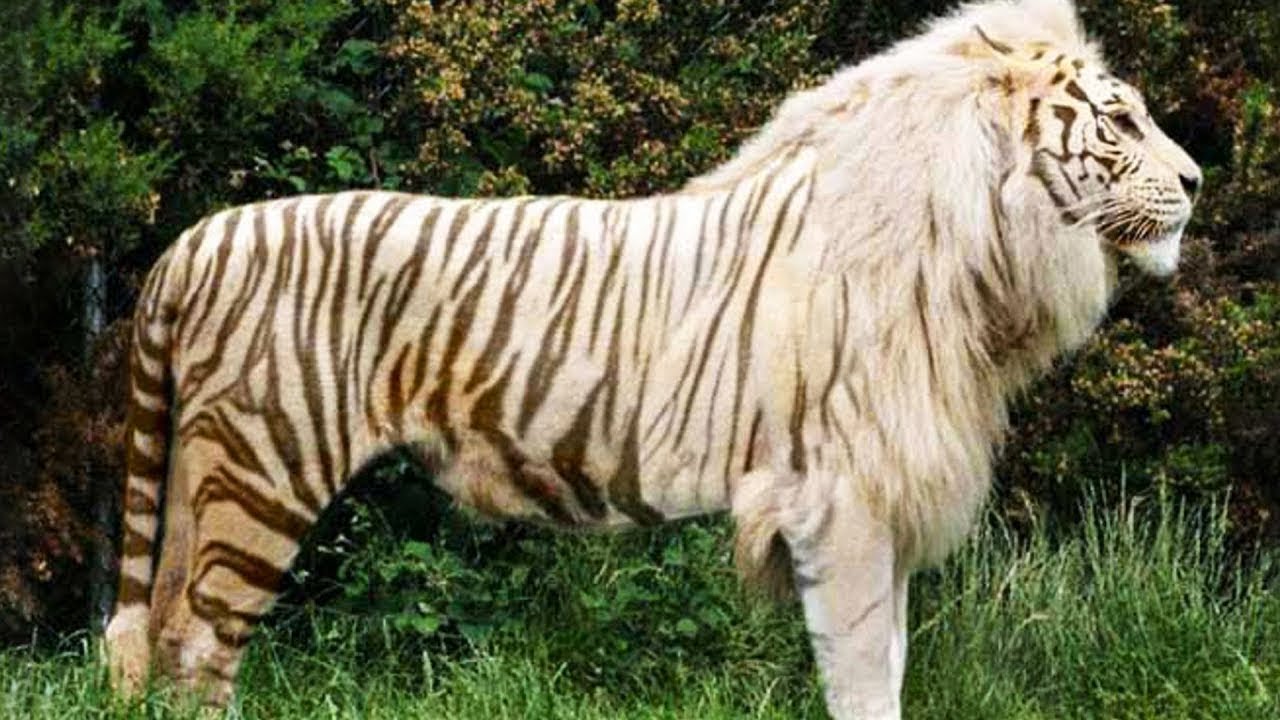
- Jaglions: Rare offspring of a jaguar and a lioness, with unique markings.
- Geeps: Chimeras created by combining embryos of sheep and goats, rather than through sexual reproduction.
- Coywolves: Hybrids of coyotes, wolves, and sometimes domestic dogs, thriving in diverse environments.
- Ligers and Tigons: Ligers (lion father, tiger mother) and tigons (tiger father, lion mother), bred in captivity and known for their large size.
- Grolar Bears: Hybrids of grizzly bears and polar bears, emerging due to climate change and overlapping habitats.
Zonkeys and Zorses
Zonkeys and zorses are hybrids resulting from a zebra and a donkey pairing. The distinction lies in the parentage: zonkeys have a male zebra and a female donkey, while zorses have a male donkey and a female zebra. Originally bred for their strength, stamina, and disease resistance, they gained public attention in the 1970s after an accidental breeding at Colchester Zoo. While primarily found in captivity as tourist attractions, they can also occur in the wild where zebras and donkeys share territory, though their sterility makes reproduction impossible. Habitat loss for zebras further reduces the likelihood of wild zonkeys and zorses.
Narlugas
Narlugas, hybrids of narwhals and beluga whales, were first discovered in 1980 by a subsistence hunter in Greenland. The hunter, puzzled by the creatures' mixed characteristics, kept a skull that later caught the attention of marine animal scientist Mads Peter Heide-Jørgensen in 1990. Genetic studies confirmed the hybrid status, revealing a mix of beluga and narwhal genes, with mitochondrial DNA entirely from the narwhal mother. Despite the naming convention suggesting "berwhal" (father's name first), the hybrid has been known as "narluga" for years.
Beefalo
Beefalo are fertile hybrids of bison and domestic cows, attempts to crossbreed them dating back to the 19th century, with the first fertile beefalo successfully bred in 1965. Created for leaner meat and hardiness, particularly after a harsh winter decimated livestock, beefalo can survive harsh weather and produce better milk. However, they pose a threat to pure bison strains through interbreeding, with scientists struggling to find pure bison due to widespread hybridisation. Native Americans have also reported the devastating impact of beefalo on bison habitats, and with a population increasing 50% annually, their numbers are a growing concern for the US government.
Wholphins
The wholphin, a cross between a false killer whale and a bottlenose dolphin, is an exceptionally rare hybrid. No wholphins have ever been seen in the wild, and the only known specimen, Kiki Malu, was born unexpectedly at Sea Life Park in Hawaii. Kiki Malu's parents, a male false killer whale and a female bottlenose dolphin, were an unlikely pair due to their size difference. Kiki Malu exhibits characteristics of both species, with a false killer whale-like head and dolphin-like nose and fins. Despite the typical short lifespan of hybrids, Kiki Malu lived to maturity and even gave birth to two calves that did not survive.
Savannah Cat
Savannah cats, resulting from mating a wild cat with a domesticated cat, are known for their dog-like loyalty and trainability. They are the largest domesticated cat breed, though relatively light for their size. Popular among cat breeders since the late 1990s, following the first successful crossbreeding, Savannah cats exhibit unique behaviours, such as following owners around the house, being trained to walk on a leash, and even playing fetch.
Jaglion
The jaglion is a rare hybrid born from a male jaguar and a lioness at the Bear Creek Sanctuary in Ontario, Canada. Despite efforts to keep the jaguar and lioness separate during mating season, two jaglion cubs, Jazhara and Tsunami, were born. These cubs, believed to be the only living jaglions in the world, exhibit distinct jaguar markings, with Jazhara being almost entirely black. They remain popular attractions at the sanctuary.
Geep
A geep is a chimera, created by physically mingling early embryos of a sheep and a goat, resulting in an animal with four parents. The first well-known geep was born in 1984 after scientists combined goat and sheep embryos and implanted them into sheep and goat wombs. Only one of the six live animals born had blood proteins from both species, displaying patches of goatish hair and sheepish wool. True sheep-goat hybrids, where genetic material is mingled at conception, are possible but usually sterile due to mismatched chromosome numbers.
Coywolf
The coywolf, also known as the coy-dog, eastern coyote, or new wolf, is a hybrid of coyote, wolf, and sometimes domestic dog DNA. First described in the 1960s, its population has grown rapidly, expanding into areas inhospitable to purebred coyotes and wolves. Biologists believe interbreeding began a century or two ago when wolf populations declined due to human encroachment and retaliatory killings. Coywolves possess advantageous traits from each species, allowing them to thrive in diverse environments.
Liger and Tigon
The liger (lion father, tiger mother) and tigon (tiger father, lion mother) are hybrid animals bred in captivity. While ligers have been documented since the 19th century, the term "tigon" was only coined in 1930. Ligers are known as the largest big cats in the world, surpassing even tigers in size. Hercules, a liger, is recognised by the Guinness Book of Records as the largest living cat on Earth.
Grolar Bear
The grolar bear, or pizzly bear, is a hybrid species resulting from interbreeding between grizzly bears and polar bears due to climate change and melting polar ice caps. As their habitats overlap, encounters between the two species increase, leading to interbreeding during mating season. The first grolar bear observed in the wild was in 2006, with only three cases scientifically proven via DNA testing since then.

