
Brief Summary
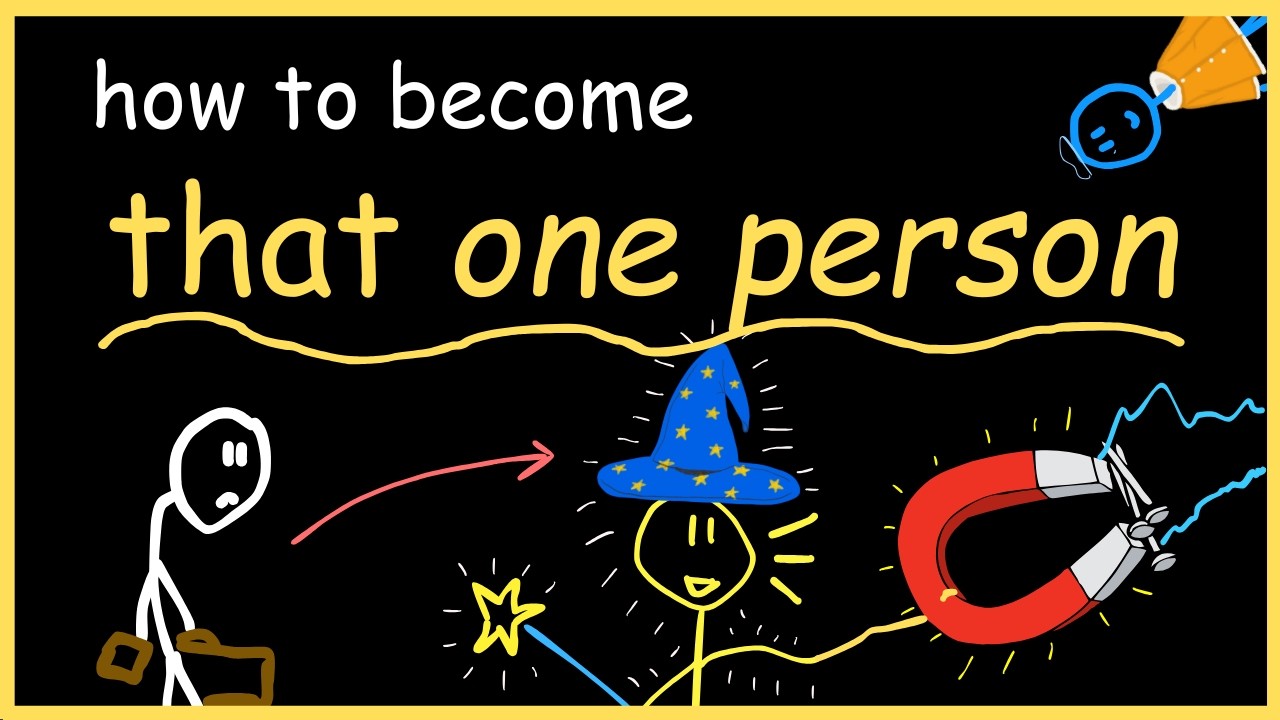
This video explores the concept of charisma, arguing that it's a skill developed through social interaction rather than an innate trait. It highlights how school environments, despite their flaws, offer opportunities for developing social skills. The video also provides practical advice on how to enhance charisma by giving genuine compliments, engaging in playful banter, showing genuine interest in others, and expressing kindness through actions. The key takeaway is that charisma is about making others feel good and building authentic connections.
- Charisma is a developed skill, not an innate trait.
- Genuine compliments and playful banter are crucial for building rapport.
- Showing interest in others and acting kindly are effective ways to make people feel good.
- Authenticity is key to avoiding being perceived as fake.
Introduction: The Misunderstood Nature of Charisma
The video starts by challenging the common perception of charisma as an inherent quality. It suggests that society, particularly through the structure of schools, provides ample opportunities for individuals to develop social skills, humour, and personality traits that contribute to charisma. The speaker argues that the constant interaction with peers in a school environment should naturally foster these skills, unless actively suppressed. The most charismatic people often are those who aren't afraid to speak their mind and practice being authentic, even if it means breaking rules or being seen as annoying.
The Art of Making People Feel Good
The speaker explains that charismatic people make others feel good through subtle social tactics. For example, they might ask for a favour in a way that makes the other person feel important, appreciated, and responsible. The key is to have a positive intention behind every interaction, focusing on how to make the other person feel good rather than what you can gain from them. Ultimately, people remember how you made them feel, which is a core component of charisma.
Advertisement: Shortform
The video includes a promotional segment for Shortform, a service that provides concise summaries of popular books on social skills, communication, business, and psychology. Shortform offers chapter-by-chapter breakdowns, note-taking features, and a mobile app for convenient learning. The speaker encourages viewers to use a provided link for a free trial and discount.
The Importance of Authenticity
The speaker warns against insincere flattery, emphasising the importance of authenticity. Being fake or saying things you don't mean can damage your charisma. The advice is to give genuine compliments by noticing and expressing what you truly like about others. The problem is that most people think of compliments and then get scared and bottle them up, you on the other hand just have to say them out loud.
The Power of Banter
Banter, defined as a playful and friendly exchange of teasing remarks, is presented as a crucial element of charisma. It shows that you're comfortable being yourself around others and that they can trust you. The speaker contrasts this with the boring small talk and overly polite interactions that often occur in adult social settings. Banter should be amusing to both parties and can involve joking about safe topics like sports teams or exaggerating strengths. However, it's important to avoid being mean or singling someone out for insults.
Going Above and Beyond
The video highlights the importance of showing genuine interest in others by asking about their interests and listening attentively. People enjoy talking about themselves and their passions, so simply being a good listener can significantly enhance your charisma. Taking it a step further by mentioning their accomplishments or hidden talents can also make a positive impact.
Actions Speak Louder Than Words
The most effective way to make someone feel good is through actions rather than words. This can involve giving gifts, asking for help, doing kind deeds, or inviting them to social events. The goal is to create a feeling of "wow, you would really do that for me?" Regularly eliciting this response is the essence of true charisma.

