
Brief Summary
In November 2025, tensions between China and Japan escalated following Japanese Prime Minister Takayichi's comments about potential intervention in the Taiwan Strait. China responded with aggressive diplomacy, military drills, and warnings to its citizens about travelling to or studying in Japan. This period saw increased military activity, nationalist displays, and a re-evaluation of Japan's defence policies, including its non-nuclear principles. Despite the political tensions, Japanese society remained largely welcoming to Chinese tourists, and analysts suggest China's actions were primarily aimed at domestic audiences to deflect from internal issues.
- China-Japan relations deteriorated due to Taiwan Strait comments.
- Japan is re-evaluating its defence policies, including nuclear principles.
- China's actions are seen as primarily for domestic consumption.
China-Japan Tensions Escalate
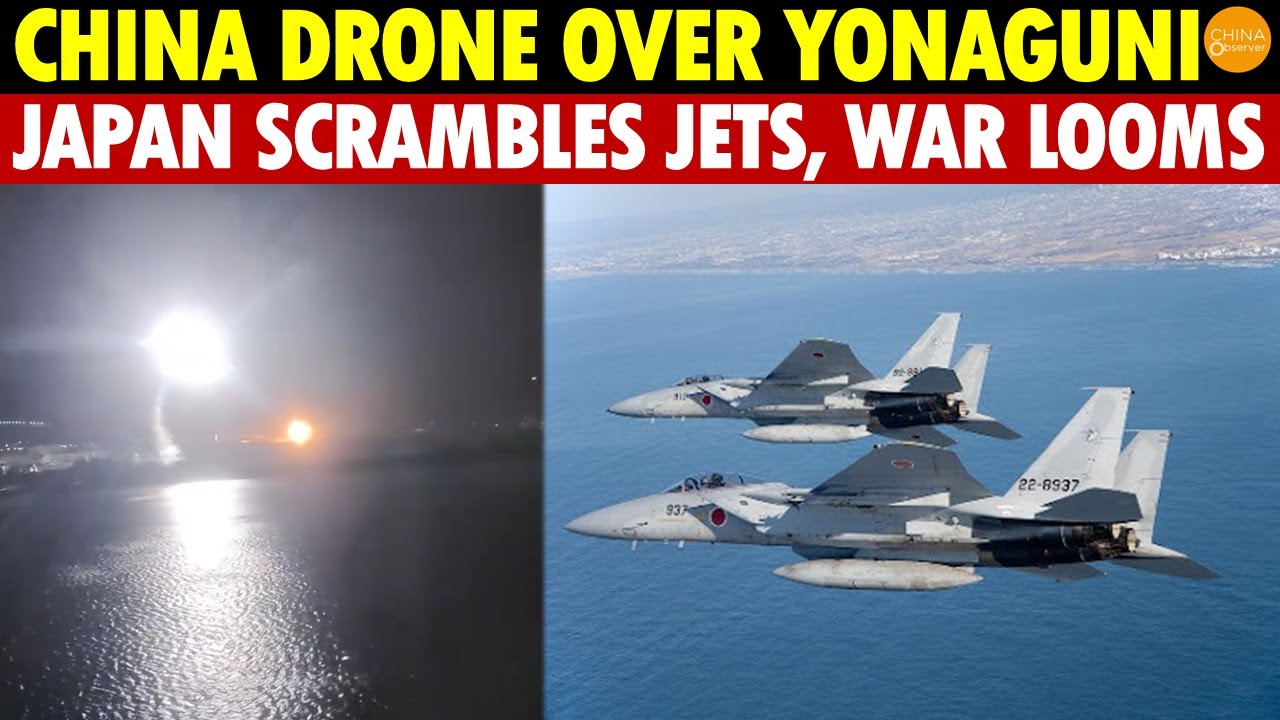
In November 2025, China-Japan relations reached a critical point after Japanese Prime Minister Takayichi suggested Japan might intervene in the Taiwan Strait if Taiwan were threatened. China responded with heightened "wolf warrior" diplomacy, including threats from its consulate in Japan and live-fire military exercises in the Yellow Sea. Japan's self-defense forces reported a Chinese unmanned aerial vehicle flying near Yonauni Island, prompting a response from Japanese jets. Additionally, Chinese maritime police patrolled the Skaku Islands' waters, and China announced live-fire exercises in the Yellow Sea, increasing pressure on Japan and leading to heightened vigilance and jet sorties from Japan.
Nationalist Displays and Public Reactions
Amidst anti-Japanese sentiment in China, ultra-nationalist displays emerged, including a Chinese man waving a Chinese flag at Tokyo's Shibuya crossing, which drew ridicule online. Other incidents included Chinese tourists planting a flag on Mount Fuji and damaging Japanese flags. In Hanan Province, a man staged a mock military parade with his family, highlighting grassroots populism. These incidents fueled anti-China sentiment and sparked discussions about visa requirements and national identity.
Official Responses and Warnings
Following Prime Minister Takayichi's remarks on Taiwan, China's Foreign Ministry lodged a strong protest, accusing Japan of interfering in internal affairs. A Chinese general threatened Takayichi, leading to diplomatic tensions. China's Ministry of Foreign Affairs advised against travelling to Japan, and the Ministry of Education warned Chinese citizens to carefully consider studying in Japan. The People's Liberation Army Daily warned that Japan could become a battlefield if it intervenes in the Taiwan Strait, accompanied by military videos and rhetoric.
Re-evaluating Japan's Defence Policies
Japan's negative perception of China is rooted in its concerns about the Chinese Communist Party's political system, military expansion, and anti-Japanese propaganda. Following Takayichi's comments, discussions arose about revisiting Japan's three non-nuclear principles: not manufacturing, possessing, or introducing nuclear weapons. Takayichi's rise to power coincides with China's military expansion, causing anxiety in Japan. There are reports that Takayichi's government is exploring the possibility of temporarily allowing US nuclear weapons on Japanese soil, signalling Japan's growing autonomous defence capabilities.
Diplomatic Exchanges and Domestic Considerations
Japan's Vice Minister of Foreign Affairs, Masaki Kana, visited Beijing to inform China that Prime Minister Takayichi had reiterated Japan's stance on Taiwan. China protested, but Kana remained firm. In response, China cancelled a meeting between Premier Lee Chang and Prime Minister Takayichi. Analysts suggest China's harsh reaction is driven by domestic economic issues, including slowing growth and rising unemployment. Despite official warnings, Chinese citizens continue to visit Japan, finding it clean, safe, and welcoming. Experts believe China's actions are primarily for internal propaganda and to avoid an actual conflict with Japan, adopting a delay strategy to de-escalate tensions.

