
Brief Summary
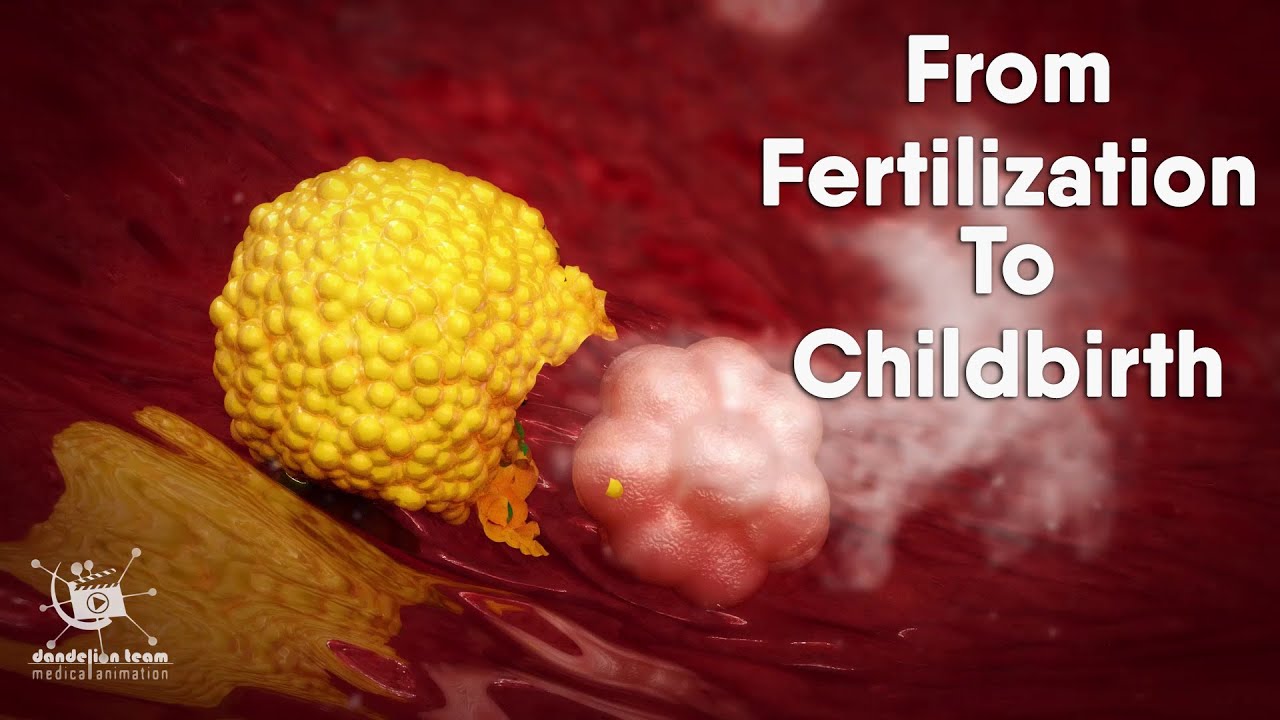
This video outlines the intricate process of conception and early embryonic development. It details the journey of sperm and egg, fertilization, the development of the zygote, blastocyst, and embryo, leading up to crucial developments during early pregnancy.
- The sperm must navigate the female reproductive tract to meet the egg for fertilization.
- The fertilised egg, now called a zygote, rapidly divides to become a blastocyst and eventually an embryo, resulting in significant prenatal development milestones.
The Journey of Sperm and Egg
The video begins by explaining how cervical mucus acts as a barrier to the uterus, which changes during ovulation to ease sperm passage. After an egg is released around day 14 of a woman's cycle, it travels to the fallopian tube for fertilization. Contractions help sperm navigate from the vagina to the fallopian tubes, an arduous journey that ensures only the healthiest sperm reach the egg.
Fertilization in the Fallopian Tube
Fertilization occurs in the fallopian tube, where the sperm meets the egg. Sperm must first penetrate the outer layer of the egg, the corona radiata, and bind to the receptors in the zona pellucida. Upon successful binding, enzymes from the sperm facilitate its entry, which ultimately triggers changes in the egg's membrane to prevent other sperm from fertilising it. Once inside, the sperm's nucleus merges with the egg's nucleus, creating a zygote.
Formation of the Zygote
A zygote consists of 23 pairs of chromosomes, containing the genetic material required to create a unique individual. This genetic blueprint determines various traits such as gender and physical characteristics. The zygote undergoes rapid divisions as it travels down the fallopian tube towards the uterus.
Development into Blastocyst and Embryo
After fertilization, the zygote develops into a blastocyst, a ball of 16 cells that forms around 5 to 6 days post-fertilization. Only 20% to 30% of fertilized eggs reach this stage successfully. The blastocyst then implants itself into the uterine wall, and by around four weeks after the last menstrual period, begins to produce hormones that signal the ovaries to stop releasing more eggs.
Early Pregnancy Milestones
At five weeks, a pregnancy test may confirm the pregnancy. The brain and spinal cord start forming, and the heart begins to beat. By six weeks, initial facial features are developing. Following this, weeks 7 and 8 witness significant growth, with the embryo's size doubling and limbs beginning to form. By weeks 9 to 12, the embryo is termed a fetus, showcasing recognisable facial features and developing critical systems.
Further Fetal Development
In this phase, the fetus continues to grow, and systems such as the reproductive, circulatory, and urinary systems reach advanced stages of development. If the fetus is a girl, her ovaries contain millions of eggs, while if a boy, testosterone production begins. By this point, the fetus measures around 5 cm and weighs about 14 grams, continuing to mature in preparation for birth.

