
Brief Summary
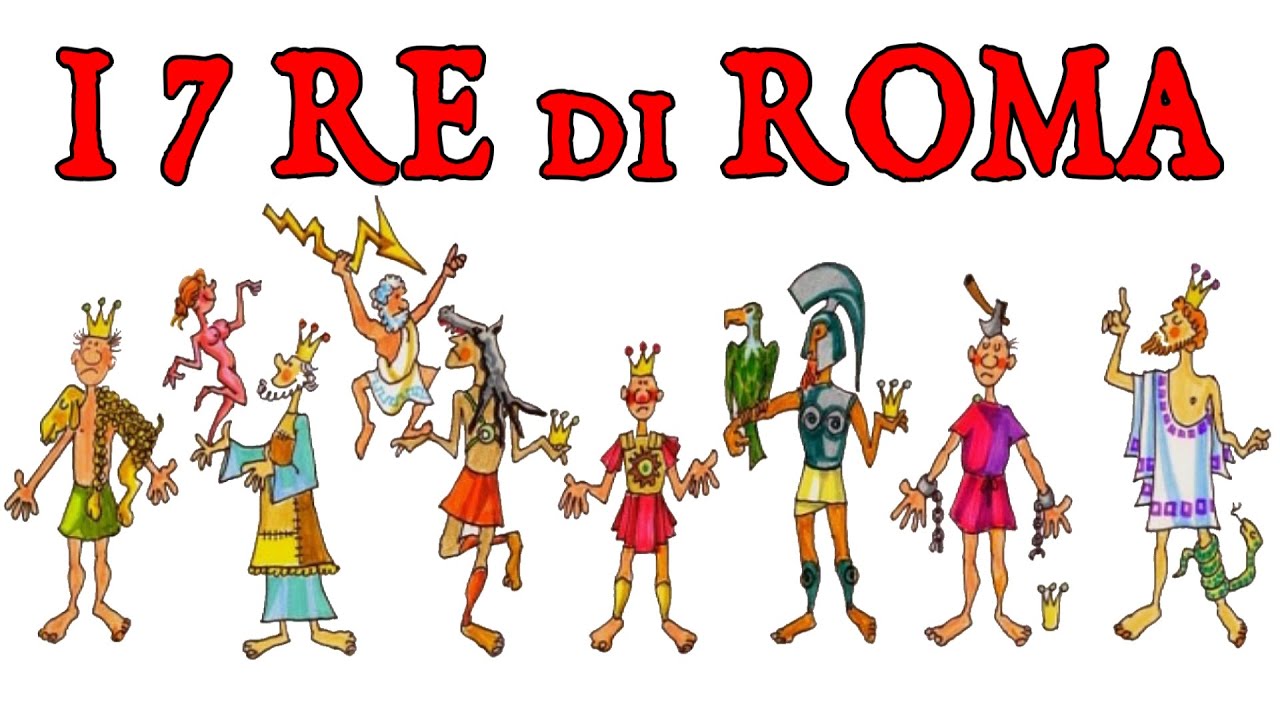
This video by Pasticciotti explores the seven kings of Rome and the Roman monarchy period, from the city's founding in 753 BC to 509 BC. It details each king's contributions, from Romulus's establishment of the Senate to Tarquin the Proud's eventual overthrow, marking the end of the monarchy. The video highlights the powers held by the king, including law-making, commanding the army, administering justice, and leading religious affairs.
- The Roman monarchy lasted from 753 BC to 509 BC.
- Each of the seven kings had distinct characteristics and contributions to Rome.
- The end of Tarquin the Proud's reign marked the end of the Roman monarchy.
Introduction to the Kings of Rome
The video introduces the period of the Roman monarchy, which spanned from the founding of Rome in 753 BC to 509 BC. During this time, Rome was ruled by kings who held absolute power. These kings were responsible for creating laws, leading the army, administering justice, and heading religious matters. The Senate, composed of the heads of Rome's wealthiest and most powerful families, elected the king, who then served for life. The video focuses on the seven kings of Rome who are remembered in tradition, a number that mirrors the seven hills of Rome and the seven symbols used in Roman numerals.
Romulus: The Founder
Romulus, the first king of Rome, was also the founder of the city. He established the Senate, which played a crucial role in Roman governance. Additionally, Romulus allocated land to the families that were instrumental in founding Rome, setting the stage for the city's early social and economic structure.
Numa Pompilius: The Peaceful King
Numa Pompilius, the second king, was known for his peaceful reign and his focus on the revival of rituals and religion. He established the cult of the god Janus and built a temple in his honour, with doors that remained open during wartime and closed in times of peace. Numa Pompilius created laws, which he claimed were inspired by the nymph Egeria, who became his wife and revealed the secrets of the spirit world to him.
Tullus Hostilius: The Warrior King
Tullus Hostilius, the third king, was a warrior who expanded Rome's dominion throughout Lazio and destroyed the city of Alba Longa. At his predecessor's funeral, he was hailed as the "wolf of Rome," ready for war. Unlike Numa Pompilius, he neglected the gods. However, when a terrible plague struck the city, Tullus Hostilius prayed to Jupiter for intervention, but instead, he was struck by lightning and his home was burned to ashes.
Ancus Marcius: The Builder
Ancus Marcius, the fourth king, focused on expanding Rome and its infrastructure. He ordered the construction of the port of Ostia, providing Rome with crucial access to the sea. He also commissioned the building of the first bridge over the Tiber River, improving connectivity and trade.
Tarquinius Priscus: The Etruscan King
Tarquinius Priscus was the first king of Rome of Etruscan origin. Before becoming king, an eagle, a messenger of Jupiter, took his hat and then returned it to him during his journey from Tarquinia to Rome, which was interpreted as a divine sign foretelling his rise to the throne. He enhanced Rome by developing the Roman Forum, which served as a marketplace and a place for citizen assemblies. Additionally, he implemented the Cloaca Maxima, Rome's first sewage system.
Servius Tullius: The Social Reformer
Servius Tullius, also of Etruscan origin, succeeded Tarquinius Priscus and reorganised Roman society. He ordered the construction of walls around the city, providing protection and defining its boundaries. He was brutally murdered by his daughter, who was married to his successor, Tarquinius Superbus.
Tarquinius Superbus: The Tyrant
Tarquinius Superbus, or Tarquin the Proud, was the last king of Rome. He was of Etruscan origin and was despised by the people because of his arrogance and tyrannical rule. His removal from power marked the end of the Roman monarchy and the beginning of the Roman Republic.

