
Brief Summary
The video discusses the detention of an Indian citizen at Shanghai airport, the ongoing territorial dispute between China and India over Arunachal Pradesh, and the broader geopolitical context influencing Sino-Indian relations. It highlights China's actions as a tactic to divert attention from domestic issues and exert pressure on India, especially concerning border disputes and water resources. The analysis suggests that while there's a recent warming in relations, strategic trust remains elusive, and India must carefully navigate its alliances to ensure national strength and prosperity.
- Indian citizen detained in Shanghai, passport invalidated due to Arunachal Pradesh dispute.
- China-India relations strained by border disputes, water resource control, and geopolitical competition.
- China's actions seen as a tactic to divert domestic attention and pressure India.
- India urged to align with the US and other free-world countries for long-term security and prosperity.
Detention of Indian Citizen at Shanghai Airport
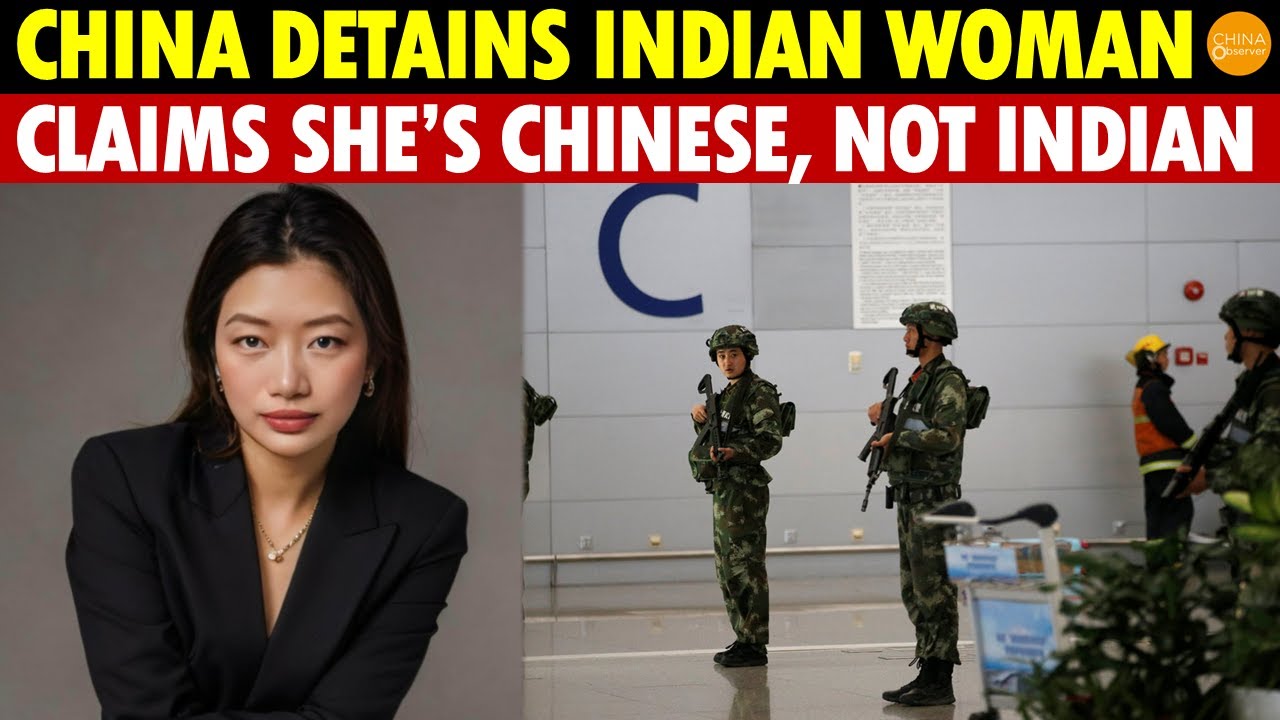
An Indian citizen, Premma Wongjam Thongduk, was detained at Shanghai airport for over 18 hours while in transit to Japan. Chinese customs officials confiscated her passport, claiming it was invalid because they do not recognise Arunachal Pradesh as part of India. Tongduk recounted being mocked by airport staff, who suggested she should apply for a Chinese passport. Despite having a valid Japanese visa and assurances from the Chinese embassy in London that no visa was required for her layover, she was denied boarding and faced difficulties communicating due to internet restrictions. She was eventually escorted to her plane by Indian officials after intervention from the Indian consulate in Shanghai.
The Arunachal Pradesh Dispute
The detention incident highlights the long-standing territorial dispute between China and India over Arunachal Pradesh. Beijing condemns any official Indian activities in the region, and residents of Arunachal Pradesh are typically unable to obtain formal visas to visit China. India has lodged a formal diplomatic protest with China, asserting that Arunachal Pradesh is an undisputed part of India and its residents have the right to hold Indian passports. India also argues that China's actions violate international civil aviation regulations.
Resumption of Direct Flights and Geopolitical Context
Direct flights between China and India had recently resumed after being suspended due to the COVID-19 pandemic and border clashes. This resumption was viewed as a symbolic step towards easing tensions and restoring people-to-people exchanges, potentially providing economic benefits. However, analysts caution that it could also be a diplomatic bargaining chip, reflecting India's strategic balancing act between China and the US. Despite the resumption of flights, experts believe it doesn't signify a strategic alignment with China, but rather an effort by India to maintain diplomatic flexibility and autonomy.
US-India Relations and India's Autonomy
US-India relations have cooled recently due to India's continued import of Russian oil, leading to increased tariffs by the US. While the US has adopted a largely observational stance regarding the resumption of direct flights, considering it a low-sensitivity issue, it remains focused on supply chain security and emerging technologies. Analysts suggest that India's warming relations with China are driven by factors such as US tariffs, the need to demonstrate autonomy, and Russia's strategic alignment with China.
China's Strategic Objectives and Historical Context
The passport incident is likely a calculated move by China with two major objectives. First, to deflect attention from its diplomatic challenges with Japan by projecting an image of toughness towards India. Second, to pressure India and deter it from aligning too closely with the US by signalling China's ability to create trouble, potentially including weaponising water resources. The video references the 1962 Sino-Indian war, where China voluntarily withdrew from occupied areas, a decision later misrepresented to the Chinese public. This historical context illustrates China's pattern of using territorial disputes to divert domestic conflict and create geopolitical tensions.
India's Strategic Imperatives
India should recognise that aligning with the US and other free-world countries is the best guarantee for national strength and prosperity. The video concludes that India and communist China can never have any true strategic trust, and any country that aligns with China will pay a price far greater than any short-term benefits.

