
Brief Summary
This video discusses the escalating tensions in the Middle East, particularly around the Strait of Hormuz, and its impact on Chinese shipping and China's relationship with Iran. It covers attacks on commercial vessels, the resulting blockade, rising insurance costs, and the strategic implications for China, including its cautious response and potential reassessment of its military capabilities.
- Attacks on ships near the Strait of Hormuz, including vessels with Chinese links, have increased.
- The Strait of Hormuz is effectively under blockade, causing significant disruptions to global shipping and energy supplies.
- Rising insurance costs and safety concerns have led many Chinese ships to remain anchored outside the Strait, incurring substantial demurrage fees.
- China's cautious response to the crisis has led to dissatisfaction in Iran, potentially straining their relationship.
Attacks on Vessels and Initial Reactions
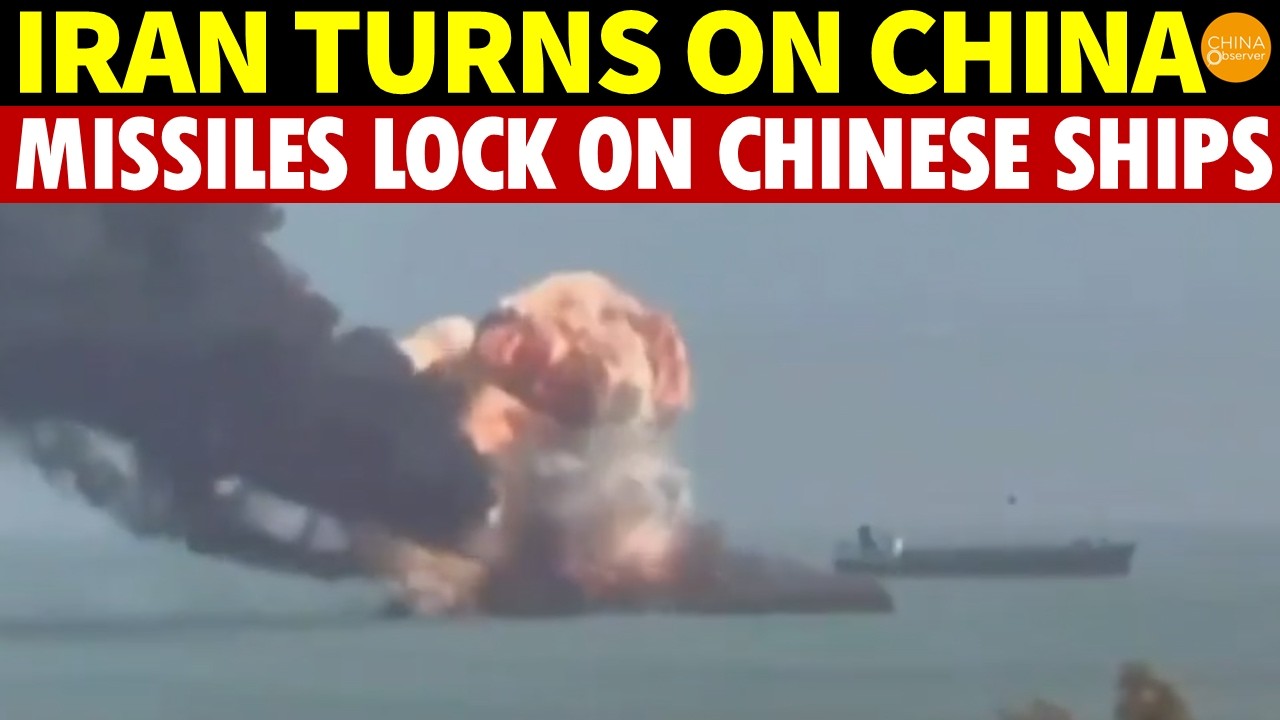
On March 12th, the container ship Source Blessing was attacked and caught fire near Jabel Ali port in the UAE. The ship, sailing under the Liberian flag and chartered by Hapag-Lloyd, had links to Chinese interests through its registered owner, Wonder One Limited, a Hong Kong-registered company. Hapag-Lloyd confirmed the incident, suggesting a missile strike. The same day, Iran's new supreme leader threatened strategic measures, including a potential blockade of the Strait of Hormuz, and promised revenge for those killed. These events, part of an ongoing military confrontation, sparked immediate discussions on Chinese social media, questioning the safety of ships with Chinese flags and the potential economic impact of a prolonged blockade.
Iran's Dissatisfaction and Chinese Sailors' Experiences
Some critics suggested that the attack on the Chinese-linked vessel was intentional, a warning from Iran to Beijing due to perceived insufficient support during the conflict, despite China's significant oil imports from Iran. Chinese sailors have become unexpected witnesses to these events, with footage circulating online showing them reacting to Iranian drone strikes on oil facilities in Oman. Omani authorities confirmed that workers on a Chinese cargo ship filmed an Iranian drone striking an oil storage facility.
Escalating Attacks and Chinese Vessels' Dilemma
Several vessels, including those from Thailand and Greece, have been attacked near the Strait of Hormuz, resulting in fires and missing crew members. Chinese crew members have expressed fear and concern, with warnings circulating among Chinese sailors that the waters in the Middle East have become a high-risk zone. A Chinese oil tanker preparing to pass through the Strait of Hormuz turned back after witnessing explosions on tankers ahead, highlighting the immediate danger.
Stranded Crews and Risk Assessment
Chinese tanker and cargo ship crews are stranded near the Strait of Hormuz, facing dwindling supplies and debating the safest time to attempt passage. Discussions among crew members reveal the difficult choice between risking an attack at night versus the potential for better rescue chances during the day. The importance of proper risk assessment and company approval is stressed, highlighting the personal risks involved.
Blockade and Impact on Shipping
The Strait of Hormuz has effectively entered a state of blockade, with thousands of vessels halted inside and outside the waterway. Satellite maps show oil tankers from major oil-producing countries unable to move, indicating a complete standstill in shipping traffic. This blockade is expected to keep oil prices high until the route reopens.
Insurance Implications and Financial Risks
Shipping traffic through the Strait has fallen dramatically due to the conflict, with most Chinese ships choosing to wait at anchor. This decision is driven by the soaring costs and limited availability of war risk insurance, which is essential for commercial viability. Without insurance, ship owners face potentially catastrophic financial losses from missile strikes, oil spills, and environmental damage, making demurrage fees a more predictable and manageable expense.
Contradictory Situation and Demurrage Costs
Despite reports of some Chinese ships successfully crossing the Strait, the majority remain anchored outside, incurring significant daily costs in demurrage. These costs, while substantial, are seen as a lesser risk compared to the potential destruction of assets and environmental liabilities from a missile strike. The stranded sailors highlight the financial strain and the difficult choices faced by ship owners.
Broader Crisis and China's Response
The crisis began with a joint US-Israeli military operation against Iran, leading to retaliatory attacks and the closure of the Strait of Hormuz by Iran's Revolutionary Guard. This blockade has caused global oil prices to surge and has directly threatened global energy flows, impacting China's significant oil imports from the Middle East. China's official response has been cautious, condemning aggression while reportedly pressing Iran to keep the shipping route open.
China's Strategic Concerns and Distancing
China's restrained response has been viewed by some in Iran as a betrayal, given their historical partnership and China's investments in Iranian infrastructure. Analysts suggest this perception could increase Iranian distrust and expose the fragility of their ties. The conflict has forced China to adjust its energy supply chain, using strategic reserves and increasing purchases from Russia. Furthermore, China's leader, Xi Jinping, appears to be distancing himself from Iran, possibly weighing strategic concerns and diplomatic considerations amid the ongoing conflict.

