
Brief Summary
This video features a conversation with Michael Saylor, a prominent technology entrepreneur and advocate for Bitcoin. The discussion covers various aspects of digital currency, the economy influenced by AI, and strategies for wealth building. Key points include the benefits of Bitcoin over traditional money, the dynamics of the housing market, investment strategies, and the potential impacts of AI on the future economy.
- Bitcoin is a powerful digital asset that can't be taken away easily.
- The conversation highlights the advantages of investing in Bitcoin over traditional assets like cash, gold, and real estate.
- AI and innovative financial strategies are reshaping economies and business models.
Intro
The video opens with Michael Saylor discussing his success using AI to generate significant revenue. Saylor emphasises the importance of digital currency, particularly Bitcoin, as a means of economic empowerment that cannot be easily seized or controlled by authorities.
Why Michael's Background Matters for Everything That Follows
Michael Saylor provides insight into his background as a technology entrepreneur and his company's growth after investing heavily in Bitcoin. He explains how micro-strategy evolved to focus on digital currencies and the transformative potential of Bitcoin as a long-term asset. His message aims to inspire others by highlighting Bitcoin's role in protecting wealth against inflation and mismanagement of traditional fiat currencies.
Why Bitcoin Is So Powerful Compared With Traditional Money
Saylor explains that Bitcoin offers advantages over traditional currency systems, primarily in terms of portability and ownership. Unlike cash, which can be confiscated, Bitcoin can be securely transferred digitally, providing true ownership and protection against state control. This discussion also touches on fiat currency’s inherent issues, such as inflation and the risks of government regulation.
How Digital Money Actually Works Behind the Scenes
The mechanics of digital money are explored, detailing how Bitcoin transactions are recorded on the blockchain, a transparent and secure ledger. Saylor describes the operational aspect of Bitcoin as revolutionary compared to traditional banking systems, which can be cumbersome and bureaucratic. He highlights the ability to conduct peer-to-peer transactions without requiring numerous intermediaries.
What Cash Really Is—and Why Most People Misunderstand It
Saylor discusses misconceptions about cash, explaining that it is heavily reliant on trust in government systems. He argues that cash itself is not a reliable store of value due to its susceptibility to devaluation over time. He contrasts this with Bitcoin, which is designed to be deflationary and can maintain its value over years, protecting wealth more effectively.
Why Buying a House May Not Be the Wealth Strategy You Think
The merits of investing in real estate are scrutinised, particularly regarding the heavy tax burdens and maintenance costs associated with homeownership. Saylor suggests that while property can appreciate, the relief from inflationary pressures is often overstated. He hints at the potential for real estate investments to fail amidst rising costs and taxes, advocating for a more diversified approach to wealth creation.
Why Stocks Still Matter in a Changing Financial World
In this chapter, Saylor acknowledges the potential benefits of investing in stocks, particularly index funds like the S&P 500, while still emphasising that Bitcoin could provide superior long-term returns. He articulates the idea that stocks serve as a liquidity option, but stresses that in times of economic fluctuation, Bitcoin presents a more appealing asset due to its scarcity.
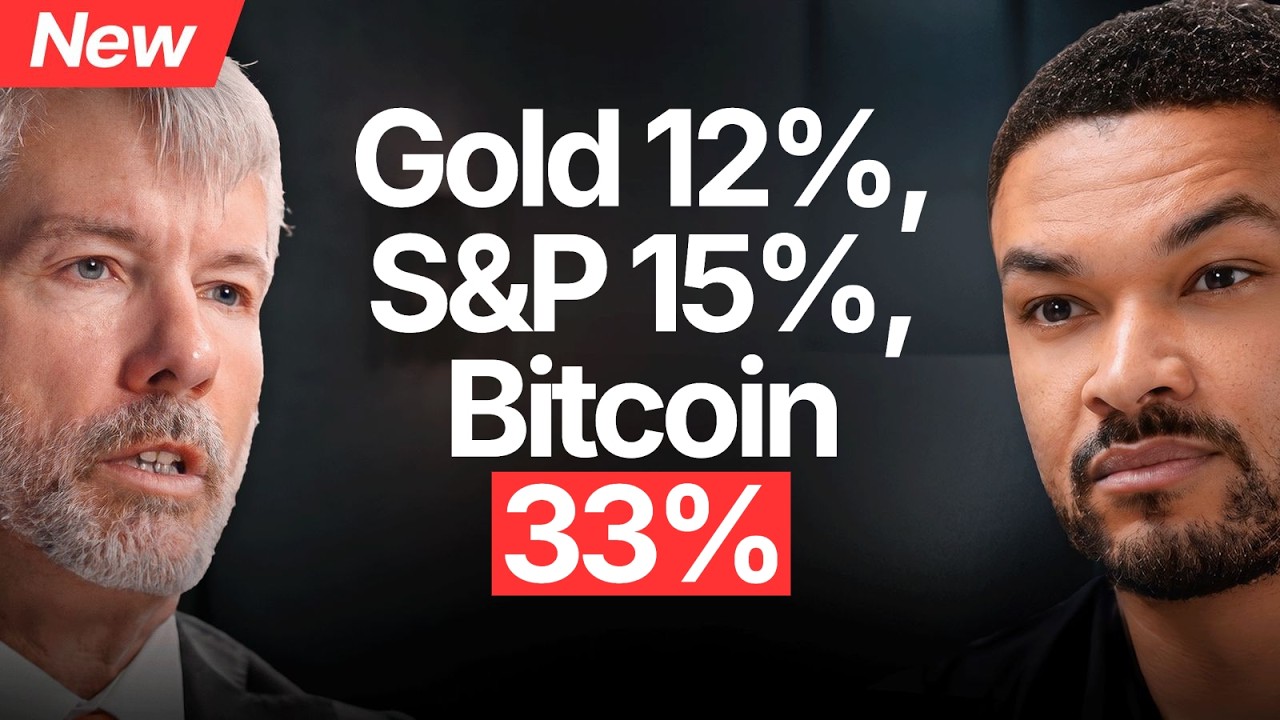
Gold vs. Bitcoin vs. Stocks: Which Asset Wins?
Saylor compares Bitcoin, gold, and stocks as investment options. He mentions that Bitcoin has historically outperformed gold and other stocks, making it the ideal choice for those looking to protect their wealth. The discussion highlights Bitcoin's uniqueness, including its limited supply, which contrasts with assets subject to inflation and continuous production.
How AI Could Transform the Economy Faster Than Expected
This chapter focuses on the disruptive impact artificial intelligence is likely to have on traditional industries and the economy at large. Saylor outlines how AI can enhance productivity and create more efficient processes, potentially leading to accelerated economic growth. He draws parallels to previous technological leaps and suggests that businesses must adapt quickly to these changes.
Is the Age of Abundance Closer Than We Think?
Saylor discusses the potential for an "age of abundance," enabled by advancements in AI and technology. He explores the idea that as production efficiencies increase, resources could become more accessible, fundamentally changing consumer behaviour and societal structure. Saylor argues that this transformation necessitates a reevaluation of economic principles and investment strategies.
What Happens If AI Replaces Millions of Jobs?
The potential consequences of widespread job displacement due to AI are examined. Saylor theorises about societal adjustments and the possible emergence of new job categories as technology develops. He emphasises the necessity for individuals to adapt and re-skill in a world increasingly reliant on AI.
Subscribe for More Conversations Like This
A call to action encouraging viewers to subscribe for more insightful discussions on technology, finance, and other relevant topics. Saylor highlights the importance of continued learning and engagement with emerging trends.
How AI Helped Generate $16 Billion in Value
Saylor shares insights into his company's experience with AI and how it was pivotal in creating innovative financial instruments, ultimately contributing to significant profit. He elaborates on the integration of AI in business operations as a way to remain competitive and-responsive to market demands.
Can AI Really Help You Find Your Next Billion-Dollar Business?
In this chapter, the discussion revolves around AI's potential to identify lucrative business opportunities. Saylor emphasises that leveraging AI can enhance market analysis and create pathways for successful entrepreneurs to innovate and grow.
What Happens Next in the AI Revolution
Saylor provides predictions on the future of AI and its ongoing integration into various sectors. He points out the rapid technological advancements and their implications for businesses, encouraging a proactive approach to adaptation.
What Will Be the Real Moat in an AI-Driven World?
The conversation examines the concept of competitive advantage in a world increasingly influenced by AI. Saylor believes that innovation and the ability to adapt will define value creation and business success moving forward.
Can Anyone Still Stand Out in the Age of AI-Generated Content?
Saylor addresses the challenges content creators face due to the prevalence of AI-generated information. He underscores the importance of unique human creativity and authentic storytelling as keys to distinguishing oneself in a saturated digital landscape.
Why Long-Term Thinking Creates an Unfair Business Advantage
The necessity of long-term strategic thinking is discussed as a foundational principle for business success. Saylor argues that those who prioritise sustainable growth and resist the lure of immediate results will ultimately gain a competitive edge.
Michael's Best Advice for Anyone Entering Adulthood
Saylor offers practical advice for young adults stepping into the professional world, advocating for self-education, time management, and choosing the right company. He emphasises personal responsibility and the cultivation of supportive networks to foster success.
Michael's Bitcoin Accumulation Strategy Explained
Saylor explains his strategy for building a Bitcoin portfolio, advocating that investors should acquire Bitcoin with a long-term outlook, keeping it secure while resisting the temptation to sell during market fluctuations. He advocates for controlled exposure and consistent investment to leverage Bitcoin's potential.
Who Shouldn't Invest in Bitcoin—and Why
This chapter outlines the typical profiles of individuals who may not benefit from investing in Bitcoin, highlighting the need for sufficient capital and a long-term investment horizon. Saylor advises against Bitcoin investments for those in need of short-term liquidity or income.
What’s One Thing You Believe That People Don’t
Saylor wraps up by discussing misconceptions surrounding education, particularly the need for adults to revisit complex subjects like statistics and history for deeper understanding. He stresses reading comprehensively can provide valuable insights, making it essential for informed decision-making in business and life.

