
Brief Summary
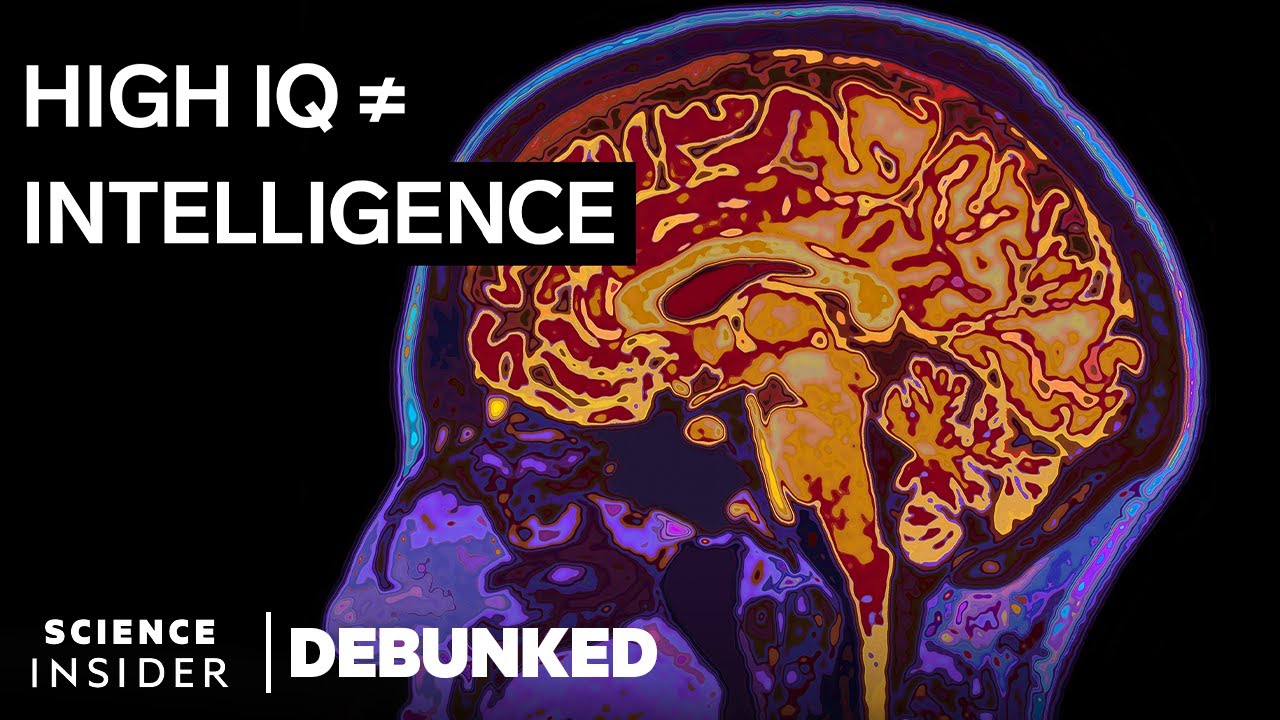
This video features neurologists Dr. Santoshi Billakota and Dr. Brad Kamitaki debunking common myths about the human brain. They address misconceptions about brain size, IQ tests, brain usage, video games, memory, brain lateralisation, stroke prevention, the effects of eating fish, trusting senses, sex differences in the brain, and the relationship between seizures and epilepsy. The doctors emphasise the importance of maintaining overall health, seeking professional medical advice, and understanding the complexities of the brain.
- Brain size isn't directly proportional to intelligence; complexity and development of specific areas are more important.
- IQ tests are not always an accurate measure of intelligence.
- We use all of our brain, not just 10%.
- Video games don't rot your brain and can even be beneficial.
- Memory doesn't necessarily worsen with age, and some types of memory can improve.
- The idea that left-brained people are logical and right-brained people are creative is a myth.
- Strokes can be prevented by addressing risk factors like high blood pressure and smoking.
- Eating fish is good for overall health but doesn't necessarily make you smarter.
- Our senses can be tricked and are not always reliable.
- Different sexes do not have different brains.
- Having a seizure does not automatically mean you have epilepsy.
Intro
Dr. Santoshi Billakota and Dr. Brad Kamitaki, both neurologists, introduce themselves and the topic of the video: debunking common myths about the human brain. They aim to clarify misconceptions surrounding brain function, intelligence, and neurological conditions.
The bigger the brain, the smarter the creature
The neurologists debunk the myth that a larger brain equates to higher intelligence. Brain size is often proportional to body size, and intelligence is more related to the complexity and development of specific brain areas, such as language centres in humans. Factors like social and emotional intelligence also play a significant role in overall intelligence.
IQ tests are always an accurate measure of intelligence
The idea that IQ tests accurately measure intelligence is false. IQ tests assess specific skills like executive function and verbal skills, but they are influenced by factors such as test conditions, emotional state, and educational level. Intelligence is multifaceted, and no single test can fully capture it. Education and training are crucial for developing skills and intelligence.
We only use 10% of our brains
The myth that we only use 10% of our brains is untrue. Modern neuroimaging techniques like PET and functional MRI scans show that we use different parts of our brain for various functions. The brain has distinct lobes (frontal, parietal, occipital, temporal) and structures (brain stem, cerebellum) that are active during different tasks.
Video games rot your brain
Video games do not rot your brain. Some video games, especially those that focus on team building, problem-solving, and strategy, can be beneficial for brain development, particularly in children. Video game simulators are even used in surgical training. Excessive video game use can be a red flag if it leads to social withdrawal, but moderation is key.
Memory gets worse as you age
Memory does not necessarily worsen with age. Semantic memory (vocabulary) and procedural memory (musical instruments) can improve with age. Episodic memory (recent events) may decline, often due to decreased focus. While the risk of dementia increases with age, it is not inevitable. Healthy habits like a balanced diet, cardiovascular exercise, and general health care can help maintain memory function.
Left-brained people are logical, right-brained people are creative
The idea that left-brained people are logical and right-brained people are creative is a myth. While the left hemisphere is often dominant for language and verbal memory, and the right hemisphere for visual-spatial functions, there is no structural brain difference between logical and creative people. Brain hemispheric dominance primarily refers to language and verbal memory. Talents and skills are developed through personality and environment, not solely based on brain side usage.
You can't prevent a stroke
Strokes can be prevented by addressing risk factors such as high blood pressure, smoking, high cholesterol, and diabetes. Maintaining cardiovascular and brain health is crucial. Recognising stroke symptoms using the FAST mnemonic (Facial droop, Arm weakness, Slurred speech, Time to call 9-1-1) and seeking immediate medical attention can help prevent the condition from worsening. Strokes can occur at any age, and young people may experience them due to brain bleeds.
Eating fish makes you smarter
Eating fish does not necessarily make you smarter, but it is good for you. Fish, especially those rich in omega-3 fatty acids, are beneficial for heart and brain health. Fish is part of the Mediterranean diet, which promotes overall health and can help prevent stroke, high cholesterol, hypertension, and diabetes. However, it's important to be mindful of mercury levels in certain types of fish.
You can always trust your senses
You cannot always trust your senses. Senses can be tricked, leading to illusions or hallucinations. Sensory perception is subjective and depends on the functioning of the brain and sensory organs. Emotions and memories can also influence sensory experiences.
Different sexes have different brains
Different sexes do not have different brains. People are born with the same brain structure regardless of gender identity or sexual orientation. Any perceived differences in emotional pathways or executive thinking are due to environmental factors and experiences, not inherent biological differences.
If you have a seizure, you have epilepsy
Having a seizure does not automatically mean you have epilepsy. A seizure is caused by hypersynchronisation of brain cells due to electrical disturbances. Epilepsy is a lifelong neurological condition characterised by multiple unprovoked seizures. People with epilepsy require daily medication to prevent seizures. If you experience a seizure, it's important to consult a neurologist for evaluation, including tests like EEG and MRI.

