
Brief Summary
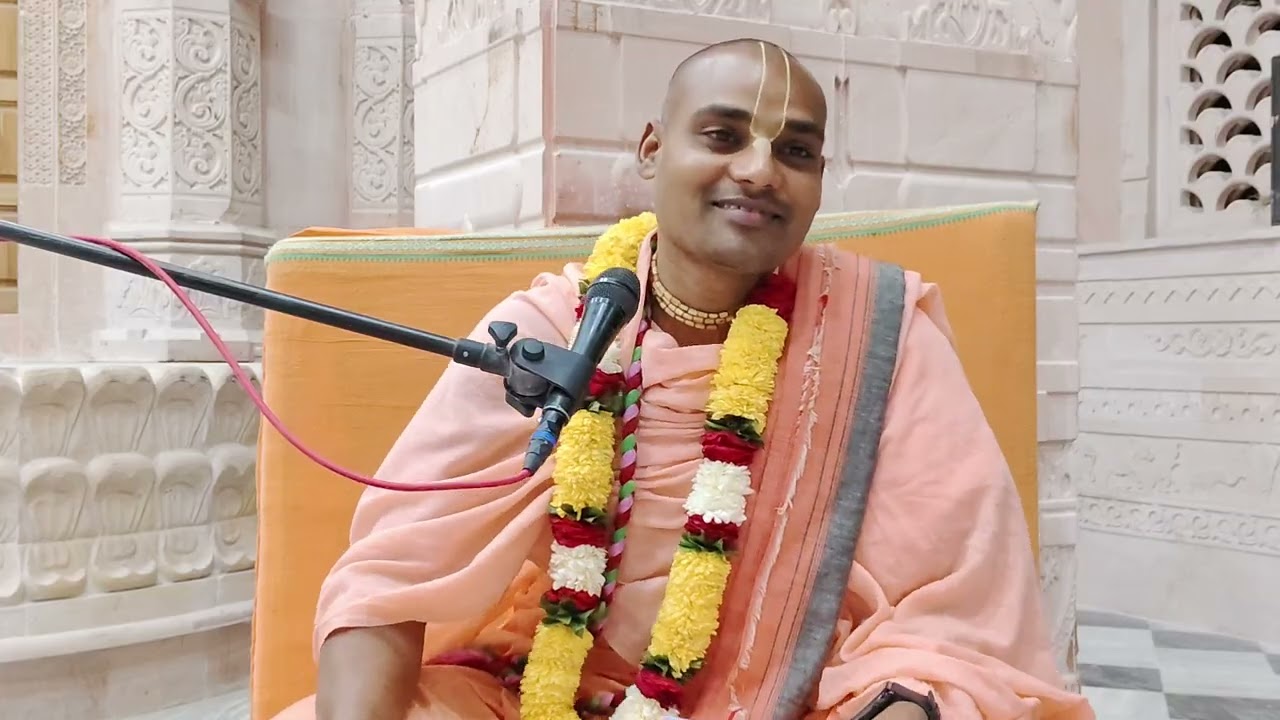
This video summarises a discourse on the nine forms of devotion (Navadha Bhakti) as explained by Lord Shiva to Agastya Rishi, drawing from the Ramcharitmanas. It highlights the importance of sincere devotion, the consequences of insincerity, and the significance of surrendering one's mind to the divine. The story of Sati's errors in testing Lord Rama is used to illustrate these points.
- Navadha Bhakti comprises nine steps to attain devotion.
- Sati's mistakes serve as lessons on the pitfalls of insincerity and intellectual pride.
- Surrendering one's mind to God is paramount, as it is the only thing that matters at the time of death.
Introduction
The video begins with a salutation to the Guru and Vaishnavas, setting the stage for a narration from the Ramcharitmanas. The focus is on Lord Shiva (Mahadev) and Agastya Rishi, who experienced great joy listening to the virtues of Lord Ramachandra.
The Boon of Hearing Rama's Story
Agastya Rishi asks Mahadev for a boon: to continuously hear the virtues of Lord Ramachandra. Pleased, Mahadev grants him the knowledge of Navadha Bhakti, the nine forms of devotion.
Navadha Bhakti: The Nine Steps to Divine Connection
Navadha Bhakti is explained as nine steps to reach God, much like ascending steps to a temple. These include:
- Shravanam (Hearing): Listening to the stories and teachings of God with full attention.
- Kirtanam (Chanting): Glorifying God's virtues, powers, forms, and acts. It's important to appreciate why God incarnates in various forms to protect and guide humanity.
- Smaranam (Remembrance): Contemplating on what one has heard about God. When chanting, one should focus on the divine form and pastimes.
- Pada Sevanam (Service to the Feet): Serving the Lord's feet, which is not easily attained. It requires the right qualities for the Lord to accept one's service and worship.
- Archanam (Worship): Offering prayers and rituals with the correct attitude, ensuring purity in thought, word, and deed.
- Vandanam (Prostration): Bowing down to the Lord.
- Dasyam (Servitude): Serving the Lord as a servant.
- Sakhyam (Friendship): Befriending the Lord.
- Atma Nivedanam (Self-Surrender): Offering oneself completely to the Lord.
The Importance of the Mind in Spirituality
The speaker emphasises the need to dedicate one's mind to spiritual pursuits rather than worldly affairs. While intellect can be used for worldly tasks, the mind should be reserved for God. The speaker asks why God only asks for our mind. At the time of death, only the mind matters, not wealth, status, or intellect. The last thoughts determine the next birth, so one should focus on God in their final moments.
Sati's First Mistake: Lack of Humility
Sati's first mistake was thinking she already knew the story of Rama and that other sages could not tell it better. This lack of humility (dhainyata) is a significant impediment to devotion.
Sati's Second Mistake: Lack of Attention
Sati's second mistake was not listening attentively to the story. This lack of shraddha (faith and attention) is like lacking an ID card to enter the realm of devotion. Without shraddha towards God, saints, and the divine stories, one is rejected from entering the path of devotion.
Mahadev Remembers Agastya's Story
Mahadev remembers how Agastya Rishi narrated the story of Rama. He reflects on Rama's leela (divine play) of searching for Sita, which was a means to rid the world of Ravana. Mahadev admires Rama's acting and decides not to disturb him.
Sati's Third Mistake: Doubting Rama's Divinity
Sati's third mistake was doubting Rama's divinity, questioning why he was lamenting like a human. Mahadev recognised her distorted thinking (vikruti buddhi) and offered his respects from a distance.
The Correct Way to Offer Pranams
The speaker explains the proper way to offer pranams (obeisances) to the divine, which includes remembering one's parents and guru. Instead of asking for worldly desires, one should seek Anurag (devotion) at the Lord's feet.
Sati's Fourth Mistake: Disregarding Mahadev's Words
Sati's fourth mistake was not believing Mahadev's words about Rama's true nature. Despite Mahadev's explanations, Sati remained doubtful.
Sati's Fifth & Sixth Mistakes: Testing Rama
Sati decides to test Rama by taking the form of Sita. She walks ahead of Rama, who is accompanied by Lakshmana. Lakshmana recognises the deception.
The All-Knowing Nature of God
The speaker emphasises that God is all-knowing (Antaryami) and cannot be deceived by outward appearances or actions. God knows our thoughts, intentions, and the extent of our faith.
Mahadev's Words to Sati
Mahadev confronts Sati, asking why she is wandering alone in the forest and reminding her of her duty to her husband, Shiva. He questions her about testing Rama.
Sati's Seventh Mistake: Lying to Mahadev
When Mahadev asks Sati to tell the truth about how she tested Rama, Sati lies and says she did not test him. This is the seventh and most grievous mistake. Lying to a Vaishnava or a saint is a severe offense.
The Consequences of Sati's Actions
The video ends with a cliffhanger, leaving the audience to wonder what decision Mahadev will make in response to Sati's lies and actions. The speaker stresses the importance of honesty and purity of heart in spiritual pursuits. One should openly express doubts and seek clarification from gurus and saints rather than engaging in deceit. The discourse concludes by highlighting that even small offenses can lead to significant consequences.

