
Brief Summary
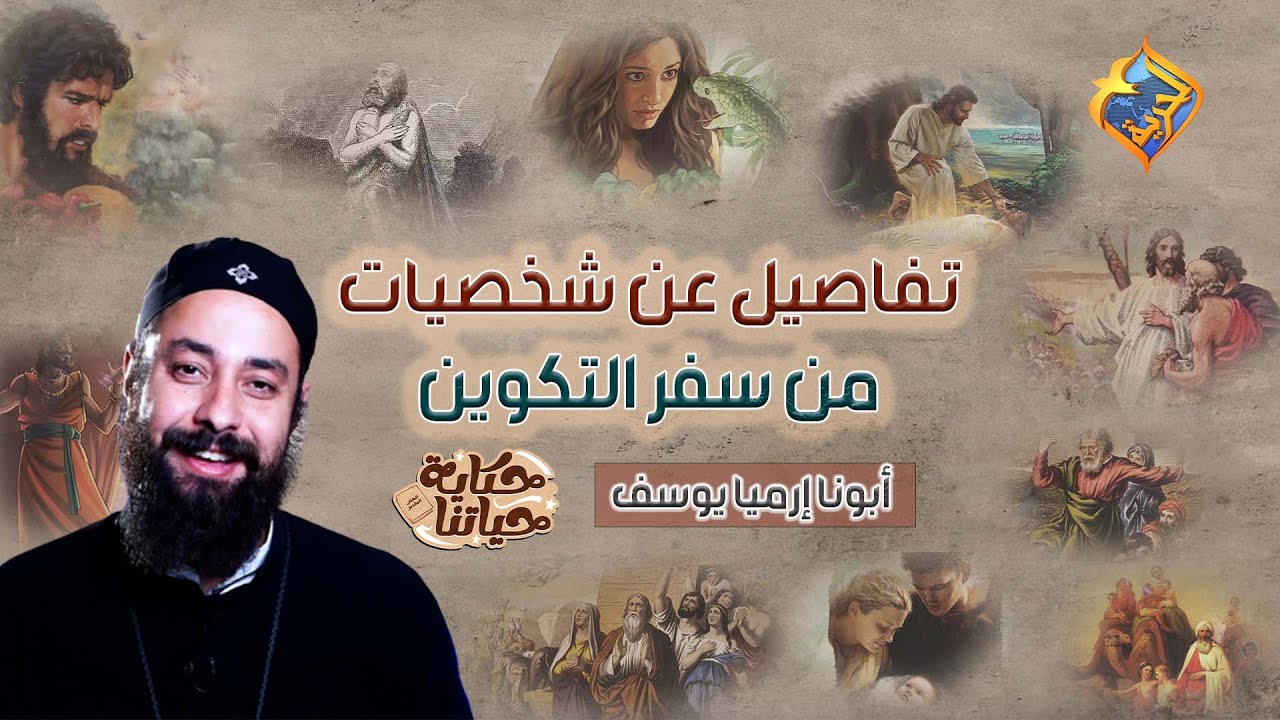
This video provides an in-depth exploration of key figures from the Book of Genesis, examining their virtues, flaws, and the lessons their stories offer. It highlights the importance of obedience, humility, and maintaining a strong relationship with God, while also warning against the dangers of pride, disobedience, and succumbing to temptation.
- Adam's creation and fall, emphasising the significance of acknowledging one's mistakes and seeking forgiveness.
- Eve's temptation and the consequences of engaging with evil.
- Cain and Abel's contrasting offerings and the perils of unchecked anger and envy.
- Seth as a symbol of divine compensation and the importance of focusing on heavenly rewards.
- Enoch's dedication to God and the concept of living a consecrated life amidst worldly responsibilities.
- Methuselah's extended lifespan as a testament to God's patience and the opportunity for repentance.
- Lamech's wickedness and the dangers of misusing one's talents and distorting God's word.
- Noah's unwavering faith and perseverance in the face of adversity.
- The significance of God's protection and grace, symbolised by the phrase "God shut him in."
- Noah's lapse into drunkenness as a cautionary tale against complacency and the ever-present threat of sin.
- The unsung heroism of Noah's wife and her role in raising righteous children.
- The contrasting actions of Noah's sons and the importance of honouring one's parents.
- The story of Nimrod and the perils of pride and rebellion against God.
- Terah's incomplete journey and the dangers of settling for worldly comforts over spiritual fulfilment.
Adam: The First Man
Adam, the first human created by God from dust, was unique among all creation. God breathed the breath of life into him, granting him a rational spirit and the freedom to think. Living in paradise, Adam enjoyed a close relationship with God, naming the animals and appreciating the natural world. When God saw that Adam was alone, He created Eve from Adam's rib to be his companion. God blessed them, instructing them to multiply and fill the earth, thus sanctifying marriage before sin entered the world. However, after succumbing to temptation, Adam and Eve sewed fig leaves to cover their nakedness,symbolising their attempt to hide their sin from God. When God confronted Adam, he blamed Eve, and ultimately, God, for his actions. The key takeaway is the importance of acknowledging one's mistakes and seeking forgiveness, as well as the danger of blaming others for one's own sins.
Eve: The First Woman
Eve was created from Adam's rib to be his helper. The narrative focuses on Eve's interaction with the serpent, which led to the fall of humanity. Eve engaged in a conversation with the serpent, which is a warning against engaging with evil. The serpent distorted God's words, leading Eve to believe that eating from the forbidden fruit would make her wise like God. After eating the fruit, Eve's eyes were opened, and she experienced shame and guilt. This signifies the entry of sin into human consciousness. It's important to guard against engaging in conversation with the devil and to be aware of the ways in which he can deceive and distort the truth.
Cain: The First Murderer
Cain, the firstborn son of Adam and Eve, was a farmer. He offered a sacrifice of fruit to God, but God did not accept it, while Abel's offering of a lamb was accepted. Cain became angry and envious. God warned Cain that sin was lurking at his door, desiring to consume him, but that he had the power to overcome it. However, Cain ignored God's warning and killed his brother Abel in the field. When God asked Cain about Abel's whereabouts, Cain denied knowing, asking, "Am I my brother's keeper?" God then cursed Cain, and the key lesson is to avoid stubbornness and heed God's warnings, recognising that unchecked anger and envy can lead to terrible consequences.
Abel: The Righteous Sacrifice
Abel, the second son of Adam and Eve, was a shepherd. He offered the best of his flock to God as a sacrifice, which God accepted. Abel's story highlights the importance of offering sacrifices with love and reverence. He inherited the tradition of animal sacrifice from his father, Adam, understanding that it was a way to atone for sin. Abel's character is marked by two key virtues: offering with love and brotherly affection. He presented his sacrifice with love, and he loved his brother, Cain, without suspicion. Even though Cain's offering was rejected, Abel did not suspect that Cain would harm him. The key lessons are to offer even small things with great love and to love others without suspicion, as love never fails.
Seth: The Replacement
Seth was the third son of Adam and Eve, born after Cain killed Abel. Eve named him Seth, meaning "appointed," because she believed God had appointed him to replace Abel. Seth represents divine compensation for loss. While Adam and Eve rejoiced in Seth's birth, it's important not to focus solely on earthly replacements but to seek heavenly rewards. Don't expect earthly rewards for good deeds, but rather focus on the eternal reward in heaven. Additionally, one can be a source of compensation in the lives of others, serving as a positive influence and a reflection of Christ. The lineage of Christ comes through Seth, highlighting his significance in God's plan.
Enosh: The Beginning of Calling on the Lord
Enosh, the grandson of Adam and son of Seth, is significant because the Bible says that in his time, people began to call on the name of the Lord. Enosh was born 235 years after Adam and lived with Adam for about 695 years. Adam shared stories about his time in the Garden of Eden, the fall, and the importance of a relationship with God. Enosh did not follow the ways of Cain's descendants but instead chose to call on the name of the Lord and take God's name to spread the word and serve on Earth. The key is discipleship, always having someone older to guide you in your spiritual life. The church teaches the importance of discipleship and tradition. It's important to have a mentor in your spiritual life to guide you and to avoid interpreting the Bible according to your own desires.
Enoch: The Consecrated One
Enoch, whose name means "dedicated," was a man who walked with God and was taken by God without experiencing death. Enoch's story is about dedication to God. Despite being married with children, he was completely dedicated to God. He lived 365 years, which is a reminder that dedication to God should be a daily, year-round commitment. Dedication to God is not limited to specific times or places but should permeate every aspect of life. It's about spiritual purity, having no other gods before God. The church uses the concept of Enoch being "taken" by God in the prayers for the departed, referring to it not as death but as a transition. The key is to dedicate time to God, asking yourself if you have dedicated time to Him today.
Methuselah: The Longest Life
Methuselah, the son of Enoch, lived the longest life in the Bible, 969 years. God extended Methuselah's life out of love, hoping that people would repent. Methuselah lived until Noah was 600 years old, and the year he died was the same year that God sent the flood. This shows that God was patient and wanted people to repent before sending judgment. The key is that God's patience is meant to lead to repentance. If God is patient with you, it is not a sign that you are doing well, but rather an opportunity to repent and change your ways. Thank God for each new day and ask Him to help you start anew.
Lamech: The Wicked Descendant
Lamech was the first man to marry two women, breaking the commandment. He was a wicked man who did not use his talents for God's glory. Lamech was a poet and a strong man, but he used his abilities for evil. He killed his son and his grandfather. Lamech also twisted God's words, claiming that he would be avenged 77 times. The key is to remember that all talents and abilities come from God and should be used for His glory. Ask yourself who gave you your talents and use them to serve God and others.
Noah: The Righteous Builder
Noah was a righteous man who built the ark in obedience to God's command. He lived a long time before and after the flood. Hebrews 11 says that Noah built the ark by faith, fearing God. God instructed Noah to build the ark and gave him the specifications. Noah built the ark in the desert, which took 120 years. He never gave up, even though people mocked him. The key is to know God's voice and to persevere even when things are difficult. Even if it takes a long time, continue to trust in God and stay focused on Him.
God Shuts Him In
After Noah built the ark, God shut him in. Despite all of Noah's hard work, there were still mistakes and shortcomings. God covered those shortcomings. Even with all of your hard work, there will still be mistakes. God covers those mistakes. God is there to correct any mistakes and protect you. Trust that God will protect you and keep you safe. Ask God to correct your mistakes and protect you from evil.
Noah's Drunkenness: A Warning
Noah, despite his righteousness, drank wine, became drunk, and uncovered himself in his tent. No one is too great to fall into sin. The wise see evil and avoid it. Sin begins with thoughts that come through the eyes and ears. Be careful what you look at and listen to. If something is wrong, turn away quickly. Flee from sin. If you start with sin, you will enter a place where no one can see you, but God sees everything. Avoid sin from the beginning.
The Unsung Hero: Noah's Wife
Noah's wife, though unnamed, played a significant role in the story. She supported Noah's decision to build the ark, never complaining or mocking him, despite the years of ridicule from others. She raised her sons well, teaching them to obey God. Her influence extended to her daughters-in-law, who also obeyed God. Despite the heavy burden she carried, she never complained, even while caring for the animals and cleaning the ark. As a result, she was rewarded by entering the ark with Noah. The key is that even if you serve in secret, God sees your service.
Sons of Noah: Shem, Ham, and Japheth
Noah's sons, Shem, Ham, and Japheth, reacted differently to Noah's drunkenness. Ham saw Noah's nakedness and told his brothers, while Shem and Japheth covered Noah without looking at him. Noah cursed Canaan, Ham's son. The key is to focus on your own sins and not on the sins of others. Often, the speck in your brother's eye is just a reflection of the log in your own eye. Focus on your own repentance and let God judge others. Strive to cover the sins of others, and God will cover your sins.
The People of Noah's Time: Helpers Who Missed the Ark
Many people helped Noah build the ark, but they did not enter it. These people represent those who serve in the church but do not have a relationship with God. They are just going through the motions. They may help others get to heaven, but they do not know heaven themselves. The key is to make sure that your service is not just an activity but is filled with the Holy Spirit. Ask the Holy Spirit to fill your service and to use you to reach others. Be careful not to serve without a purpose and without the presence of God within you.
Nimrod: The Mighty Hunter Against the Lord
Nimrod was a descendant of Ham and is described as a "mighty hunter against the Lord." He was a powerful and proud man who opposed God. Saint Augustine said that Nimrod encouraged the building of the Tower of Babel. The key is to avoid pride and to use your talents to serve others and build your kingdom in heaven. Let your good works glorify God, not yourself. The end of pride is confusion and failure. Be humble before God.
Terah: The Incomplete Journey
Terah was the father of Abraham. God called Abraham to leave his home in Ur of the Chaldeans and go to a new land. Terah went with Abraham, but they stopped in Haran, which was also a wealthy city that worshipped the moon. Terah represents the seeds that fell on rocky ground. They sprouted, but they did not have deep roots and eventually withered. The key is to finish your journey with God. Do not stop halfway. Do not look back at the past. Keep moving forward with God.

