
Brief Summary
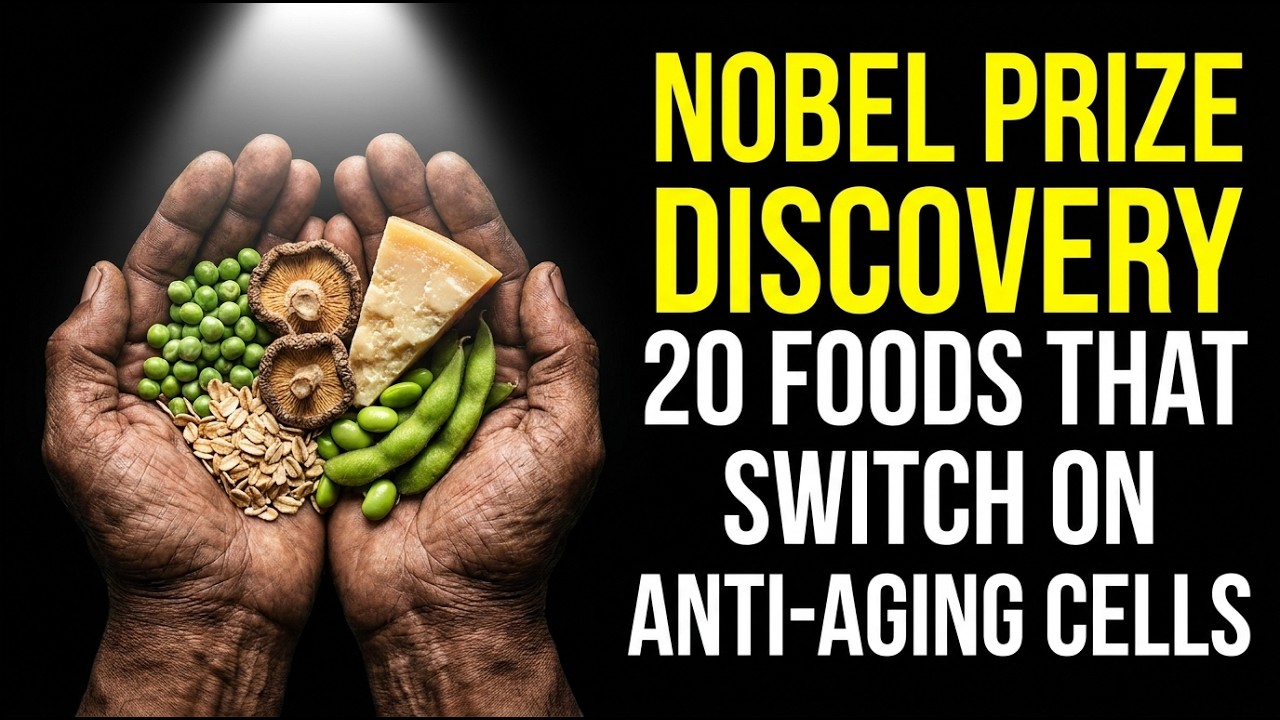
This video explores autophagy, a cellular process linked to aging and health, which won a Nobel Prize in 2016 for its discovery. A key compound that activates autophagy is spermidine, abundant in everyday foods rather than supplements. The video presents a comprehensive list of 20 spermidine-rich foods, providing insights into their health benefits and traditional uses.
- The Nobel Prize in Physiology or Medicine was awarded for the discovery of autophagy.
- Spermidine, found in common foods, is associated with cellular health and longevity.
Introduction to Autophagy and Spermidine
The video introduces autophagy, a natural cellular process for self-repair linked to various diseases in later life, such as Parkinson's and type 2 diabetes. It recounts the efforts of researchers like Frank Madeo in identifying spermidine as a natural activator of autophagy, emphasizing its presence in everyday foods rather than being a commercial supplement.
Wheat Germ: The Top Source
Wheat germ is cited as the most concentrated source of spermidine, integral to a clinical trial in Berlin testing its effects on older adults with mild cognitive decline. This nutrient-dense part of the wheat kernel can enhance meals such as oatmeal or smoothies with its mild flavour while supporting cognitive health.
Unexpected Spermidine: Popcorn
Popcorn, particularly air-popped and unbuttered, appears on the list as a surprising source of spermidine. The modest amount per serving makes it an easy snack option that contributes to dietary spermidine intake without the additives commonly found in theatre varieties.
Traditional Uses of Pear
Pears have historically been used in traditional Chinese medicine for their soothing properties and health benefits concerning heart health and hypertension. Modern analysis confirms their spermidine content, alongside valuable nutrients, emphasising the whole fruit consumption for maximum benefit.
Green Peas: A Culinary Staple
Green peas, a staple in European diets, are highlighted for their rich spermidine content. They are easy to store and incorporate into various meals, offering a high nutritional profile while contributing to overall health with their significant levels of this beneficial compound.
Lentils: An Old Favourite
Lentils have long been valued as an affordable source of protein in many culinary traditions. They rank well for spermidine content, making them a practical addition to diets through various preparations like soups and salads that promote gut health.
Cauliflower: A Versatile Veg
Cauliflower belongs to the brassica family and is known for its consistent spermidine levels. It contains additional beneficial compounds that support cellular health and can be prepared in several ways, making it a versatile addition to meals.
Broccoli: More Than Just Sulforaphane
Broccoli is often associated with its sulforaphane content but is also a significant source of spermidine, especially when consumed raw. It highlights the importance of cooking methods in preserving this nutrient, encouraging quick steaming or raw eating.
Historical Significance of Mushrooms
Mushrooms, particularly shiitake, have a long history in traditional medicine for their age-defying properties. They are rich in spermidine and other beneficial compounds for immune support, further reinforcing their relevance in dietary practices across cultures.
Kidney Beans: A Nutritional Powerhouse
Red kidney beans are recognised for their significant spermidine content and have sustained various diets for centuries. They present an easy way to store and incorporate into meals, associated with overall health benefits from their resistance starch and antioxidant content.
Chicken: An Animal Source of Spermidine
Cooked chicken, while not the richest source of spermidine, still contributes a modest amount to one's diet. Its inclusion serves as a useful reminder that animal products can also play a role in overall spermidine intake.
Whole Grain Bread and Spermidine
Multiple studies have confirmed that whole grain breads contain moderate levels of spermidine, making them a dietary staple with lasting benefits. Their long-standing place in Mediterranean and Near Eastern diets supports their inclusion for health.
The Role of Nuts in Nutrition
Nuts, including almonds and peanuts, are good sources of spermidine and have cultural significance linked to vitality and health. A daily handful can enrich diets with healthy fats and support various health benefits alongside spermidine intake.
Oranges: A Misunderstood Source
Oranges are often inaccurately associated with spermidine content in dietary discussions. While they are nutritious, fresh oranges contain only modest levels of spermidine and are instead rich in related compounds like putrescine, diverting from the primary focus of this list.
Mango: A Historic Superfood
Mango, revered in traditional medicine for its health benefits, offers a moderate yet unclear level of spermidine content. Its overall nutritional profile, including anti-inflammatory properties, supports its inclusion in a healthy diet.
Natto: A Formidable Fermented Food
Natto, a fermented soybean dish, boasts high spermidine content and a historical background deeply steeped in Japanese culture. It also contains vitamin K2 and nattokinase, providing multiple health benefits beyond just spermidine.
Aged Cheese: Highest Spermidine Source
Aged cheeses, particularly Parmesan, stand out as one of the richest sources of spermidine. The fermentation process enhances spermidine levels, validating their role in a healthy diet, supported by research linking cheese consumption to lower mortality rates.
Understanding Liver Content and Misconceptions
While liver is often highlighted for its polyamine content, it should be noted that it primarily contains spermine and has a modest level of spermidine. The distinction is important for those focusing on the specific benefits of spermidine rather than general nutrition.
Durian: A Culinary Wonder
Durian has gained a reputation as the king of fruits in some traditions but lacks solid spermidine data. While it can be enjoyed for its unique taste and broader nutrients, there are no confirmed figures to back its spermidine content.
Amaranth: The Ancient Grain
Amaranth, a historical staple among ancient civilisations, is valued for its nutritional benefits, though its spermidine content cannot be definitively quantified. It remains a healthy choice for its overall dietary value.
Soybeans: The Top Source of Spermidine
Cooked soybeans emerge as the food with the highest spermidine levels when portion size is accounted for. Their long history in East Asian diets, coupled with evidence linking them to lower mortality rates, illustrates the importance of incorporating soy into nutrition.
Conclusion: Evidence and Food Strategy
The discussion concludes by reiterating the connection between dietary spermidine and health benefits, while emphasising the need for cautious interpretation of research findings. Foods rich in spermidine, alongside other nutritional components, provide numerous health advantages regardless of ongoing research, promoting the consumption of a varied diet rich in whole foods.

