
Brief Summary
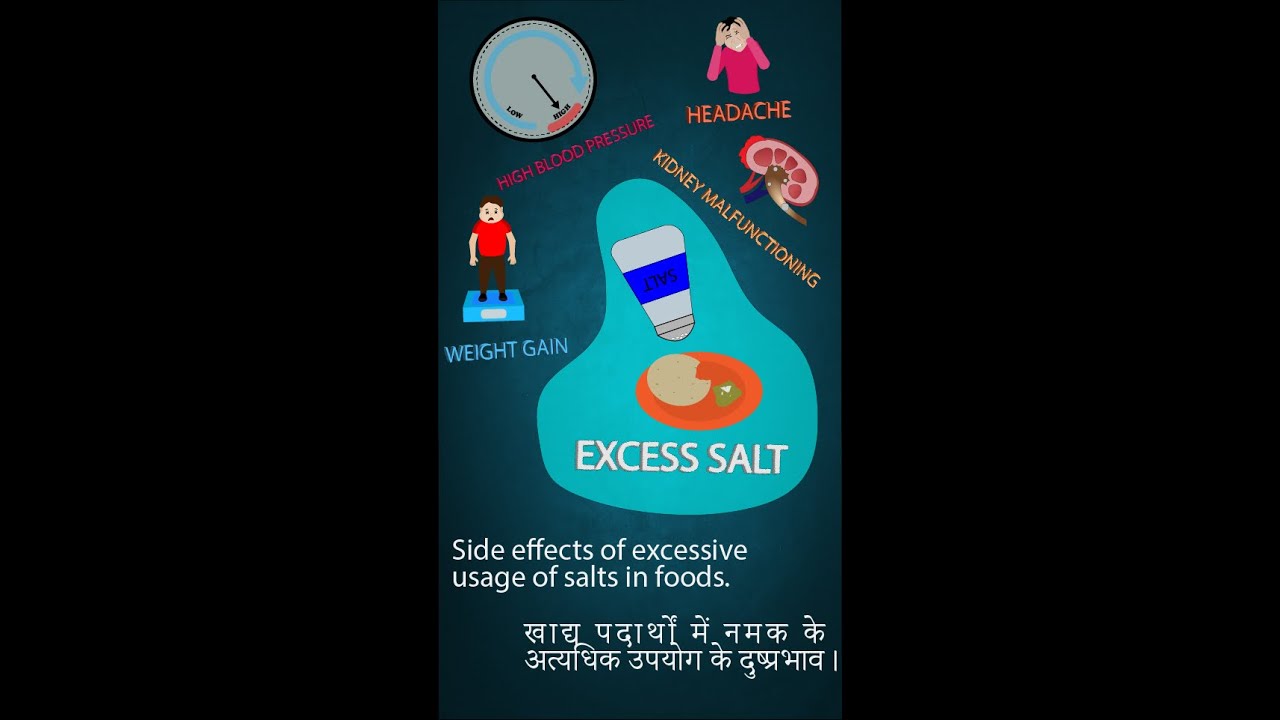
The video discusses the negative effects of consuming too much salt in our diet. It highlights that excessive salt intake leads to increased blood volume, high blood pressure, potential heart problems, weight gain, kidney strain, and an increased risk of kidney stones. The key takeaway is to minimise salt intake to maintain overall health and well-being.
- High salt intake increases blood volume.
- High salt intake can lead to high blood pressure and heart problems.
- High salt intake strains the kidneys and increases the risk of kidney stones.
The Impact of High Salt Intake on the Body
Consuming a diet high in salt causes the salt to enter the bloodstream rapidly. To dilute the salt concentration, the body retains excess water, which increases the overall volume of blood. This heightened blood volume can lead to increased pressure on blood vessel walls, resulting in high blood pressure. Consequently, this can lead to heart-related problems. Furthermore, the increased water retention contributes to weight gain and puts additional strain on the kidneys. The kidneys have to work harder to filter the larger blood volume. High salt levels in the kidneys can also trigger the formation of kidney stones, thus increasing the risk of kidney-related issues. Therefore, it is important to minimise the amount of salt in your diet.

