
Brief Summary
This video addresses the critical issue of air pollution in North India, which is now a bigger threat than COVID-19, and offers practical solutions to protect your health. It explains what PM2.5 is, how to measure air quality, and steps you can take to purify the air inside your home. These steps include sealing doors and windows, using air purifiers (or building your own), and modifying habits like cooking practices. The video also touches on the importance of pressuring the government to take action and securing your family's financial future with insurance.
- Air pollution in North India is a severe health emergency, deadlier than COVID-19.
- PM2.5 particles are the most harmful pollutant, penetrating deep into the lungs and bloodstream.
- Practical steps include sealing doors/windows, using air purifiers, and modifying cooking habits.
Understanding Air Pollution and PM2.5
Air pollution consists of various harmful gases, but PM2.5 (particulate matter with a diameter of 2.5 micrometres or less) is the most critical. PM2.5 is a mixture of solid particles and liquid droplets, including sulfates, nitrates, and black carbon. Due to their small size, these particles easily enter the lungs and bloodstream, affecting major organs and increasing the risk of asthma, heart attacks, strokes, lung cancer, cognitive decline, and diabetes. PM2.5 is often called an "invisible killer" because it's not visible to the naked eye. When measuring air pollution, focus on PM2.5 levels.
Measuring Air Quality
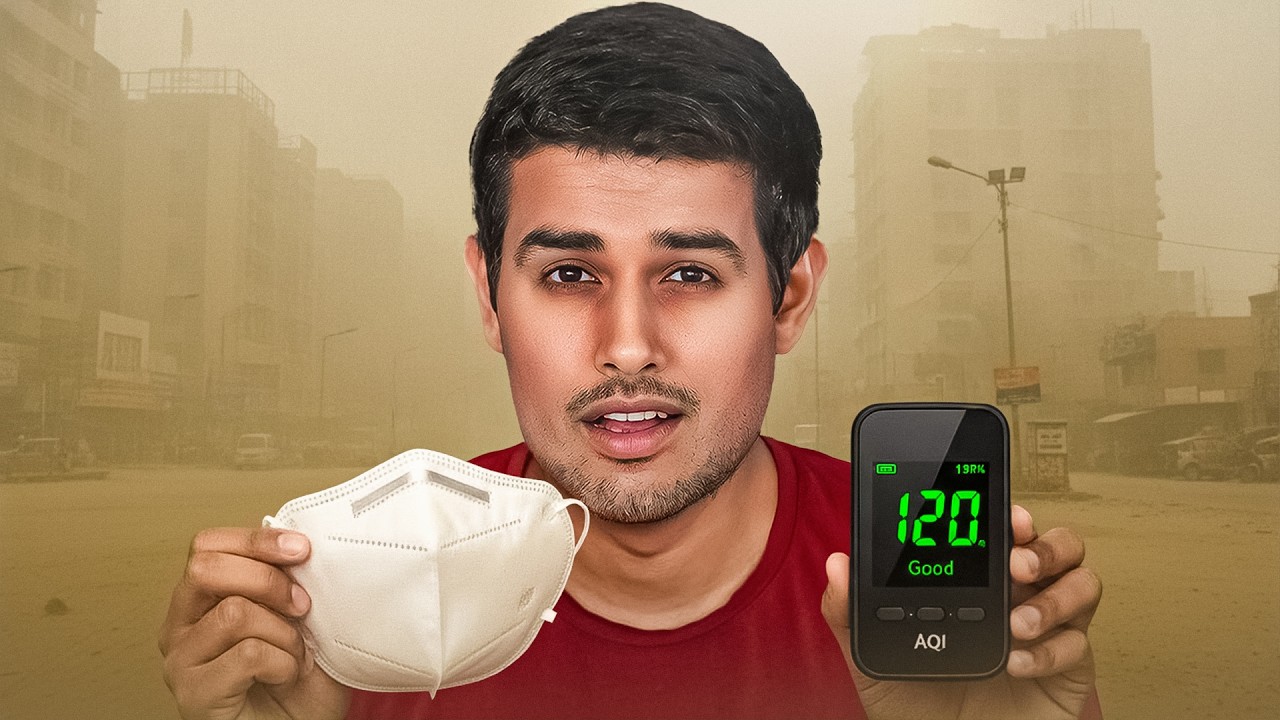
To measure air quality, you can purchase an air quality monitor for £30-£60, or use the PM2.5 monitor that comes built into most air purifiers. These monitors measure PM2.5 in micrograms per cubic metre. The World Health Organization (WHO) guidelines recommend an annual average PM2.5 level of less than 5 micrograms per cubic metre and a 24-hour average of less than 15 micrograms per cubic metre. A more practical red line is 20 micrograms per cubic metre, which you should aim to stay below inside your home. You can check the PM2.5 levels in your city using a weather app.
The Importance of Insurance
Air pollution contributes to common diseases like heart attacks and cancer, affecting both children and adults. Health insurance is essential to protect against the high costs of medical care. Additionally, term insurance is crucial if you are the sole earner in your family, providing financial security for your loved ones in case of an emergency. Taking out insurance early results in lower premiums that remain fixed for life. Both health and term insurance plans start from around £4 per month, offering significant coverage. Online insurance purchases may also offer discounts of 15-25%.
Sealing Doors and Windows
Outdoor pollution contributes significantly to indoor PM2.5 levels. A study in China showed that 54-96% of indoor PM2.5 comes from outdoor sources. Keeping windows and doors closed and sealed can reduce indoor PM2.5 levels by 12-76% during peak pollution events. This is because closing windows and doors stops air movement, allowing PM2.5 particles to settle on surfaces due to gravity. Avoid sweeping, as it stirs up settled particles. Instead, mop floors or use a HEPA-filtered vacuum cleaner to capture particles. Seal gaps in doors and windows with foam or rubber strips to prevent PM2.5 from entering.
Managing Carbon Dioxide (CO2) Levels
Sealing doors and windows can increase indoor CO2 levels, as humans breathe out CO2. While CO2 isn't toxic, high levels can reduce oxygen supply, leading to fatigue and impaired concentration. Normal outdoor CO2 levels are around 400 parts per million (PPM), but can reach 1500-2000 PPM in a sealed room. Use an air quality monitor that measures both CO2 and PM2.5 to determine when to ventilate by opening windows and doors during the least polluted times of the day. Open everything to allow cross-ventilation and quickly reduce CO2 levels before resealing.
Using Air Purifiers
Air purifiers filter out PM2.5 particles from the air. They consist of a fan and a filter. The most important part of an air purifier is the filter. Look for HEPA (High Efficiency Particulate Air) filters, specifically HEPA 13, which filters out 99.95% of particles. Avoid products labelled "HEPA-type" or "HEPA-like," and ensure the product clearly states "True HEPA" or "HEPA H13." Some air purifiers also have activated carbon filters to remove volatile organic compounds (VOCs) from paints and cosmetics, but PM2.5 filtration should be the primary focus.
Key Considerations for Air Purifiers
When choosing an air purifier, consider the Clean Air Delivery Rate (CADR), which indicates how much air the purifier can clean per minute. The CADR should be at least two-thirds of the room's area. Also, consider the filter replacement cost, as HEPA filters need to be replaced every 6-12 months. Place the air purifier in the room where you spend the most time, such as the bedroom. The goal is to reduce PM2.5 levels to below 20 after sealing windows and doors and using the air purifier.
DIY Air Purifiers and Alternative Solutions
If you cannot afford a commercial air purifier, you can build your own Corsi-Rosenthal Box using a fan and four HEPA filters. This DIY purifier can reduce PM2.5 levels by up to 73%. For those with larger properties, consider creating an "air sanctuary" like Peter Singh and Neeno Kaur, who use plants and water to filter the air. They have a grass panel with running water and an exhaust fan at their main entrance, along with 15,000 plants around their home, maintaining a PM2.5 level of around 5 micrograms per cubic metre.
The Role of Plants and Indoor Pollution Sources
While plants offer aesthetic and psychological benefits, they are not a primary solution for air purification. To achieve a meaningful impact on VOC removal, you would need 10-1000 plants per square metre, which is impractical. Plants have minimal impact on PM2.5 levels. It's important to address indoor air pollution sources such as cooking, incense, and candles. Burning incense can drastically increase PM2.5 levels. Use electric induction stoves instead of gas stoves to reduce emissions, and always ventilate the kitchen by opening windows and using an exhaust fan while cooking.
Summarised Steps for Cleaner Air
To summarise, here are five simple steps to improve your indoor air quality:
- Measure Air Quality: Use a monitor or air purifier to check PM2.5 levels.
- Seal and Clean: Close and seal windows and doors, avoid sweeping, and use a vacuum cleaner or mop.
- Air Purification: Buy an air purifier or build your own.
- Filter Replacement: Regularly change HEPA filters in your air purifier.
- Ventilate While Cooking: Use an exhaust fan and open windows while cooking, and avoid burning incense, candles, and cigarettes indoors.
Taking these personal steps and advocating for government action are crucial for tackling air pollution and improving public health.

