
Brief Summary
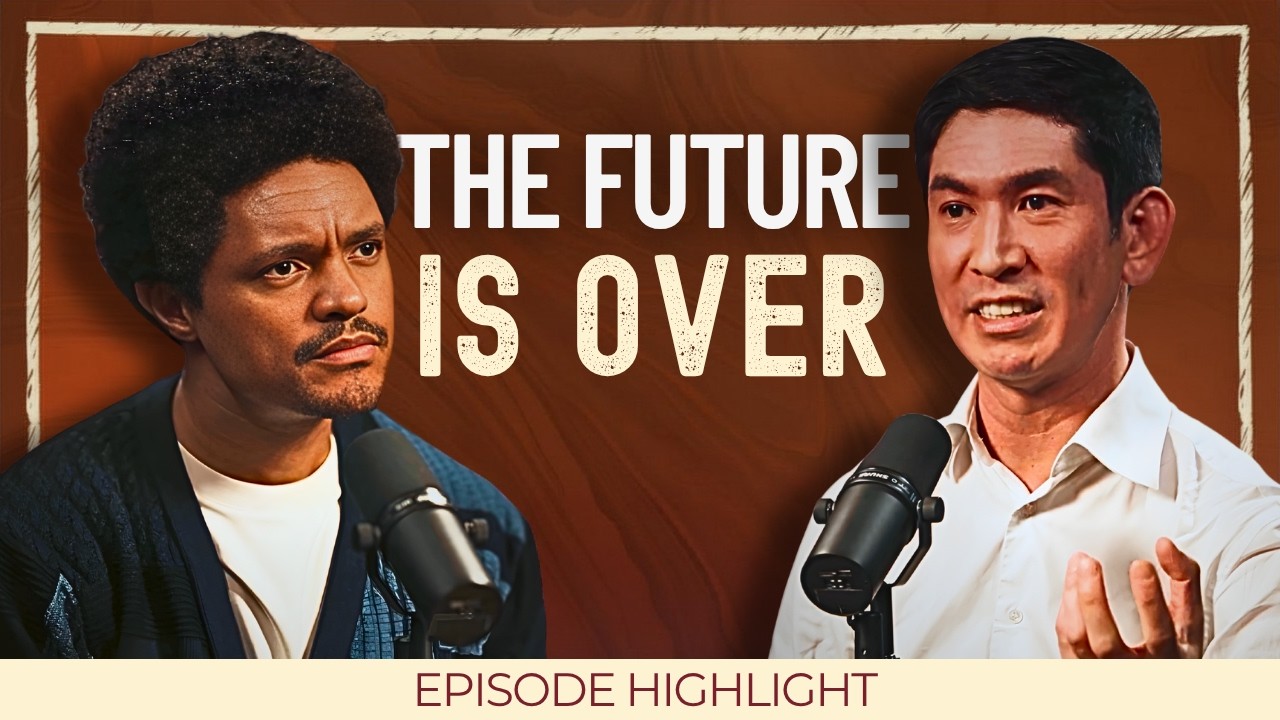
The speaker expresses deep concern about the societal implications of rapidly advancing AI, warning of potentially devastating consequences within the next 15 years. They highlight the inadequacy of current AI governance, which focuses too narrowly on technical issues, and the potential for widespread job losses, economic instability, and environmental damage. The speaker criticises the tech industry for distorting the debate and influencing politicians to avoid restraints on AI development. They suggest the current path leads to disaster, with declining living standards and increased instability, and that a broader societal conversation is needed to manage these effects.
- The speaker is focused on the societal implications of AI, which they believe will be more devastating than previous technological missteps.
- Current AI governance is too focused on technical issues, neglecting the broader economic, social, and environmental impacts.
- The tech industry is actively working to minimise debate and influence politicians to avoid restraints on AI development.
- The speaker believes the current path leads to disaster, with declining living standards and increased instability.
- A broader societal conversation is needed to manage the effects of AI, involving leaders and citizens alike.
Introduction: Societal Implications of AI
The speaker is now focusing on the societal implications of AI, drawing on their extensive experience at Google and within the AI sector over the past 15 years. They believe the rapid advancement of AI poses a significant threat, far exceeding the consequences of past technological mismanagement. These consequences are expected to impact societies globally, and the world is currently unprepared economically, socially, geopolitically, and environmentally.
The Distorted Agenda of the Tech Industry
The tech industry has significantly skewed the discussion around managing AI, focusing primarily on the AI systems themselves, which the speaker argues is only a small part of the overall problem. The real issues lie in the potential for widespread job losses due to AI, the lack of economic solutions to support those displaced, and the environmental impact of AI-driven industries consuming vast amounts of resources. The speaker notes that resource consumption has accelerated dramatically, with the period between 2018 and 2023 seeing almost as much resource use as a third of the 20th century.
Economic and Social Instability
The current trajectory of AI development promises to enrich only a small segment of society, primarily in the United States and China, leading to increased global instability and declining living standards for hundreds of millions of people. Many graduates will struggle to find good jobs, and the promise of a better life for future generations will not be fulfilled. The tech industry is not positioned to solve these problems and has actively minimised debate, pushing for technical solutions instead.
The Tech Industry's Influence on Politics
The tech industry is heavily influencing politics, particularly in the US, by donating vast sums to political campaigns. This money is used to target politicians who propose any restrictions on AI, creating a feedback loop where the industry defines how it should be governed, while simultaneously funding the people who are supposed to govern it. The speaker suggests that unless a major disruption occurs, this situation is largely already lost.
The Path to Disaster and the Need for Societal Conversation
The speaker believes the current path leads to disaster for societies globally, with no one escaping the consequences. They have spoken with leaders worldwide and found a prevailing opinion, particularly in the US and China, that they can "win" the AI race, even if it means others suffer. However, the speaker argues that global chaos will affect everyone. They emphasise the need for a mainstream societal conversation, involving leaders and citizens, to determine how to manage the effects of AI, rather than leaving it to the tech industry.
Public Concerns and the Lack of Vision
Public polling indicates that the majority of people worldwide believe things are generally going in the wrong direction, with anger and a lack of vision from leaders. In this context, big tech is racing to implement AI systems, causing widespread concern about job security. The speaker believes many people are already seeking a different approach to managing AI, but the debate has not shifted due to a lack of understanding about the scale and speed of potential impacts, and the interconnectedness of various issues. When people realise that the technologies powering their apps could also destroy job prospects and threaten ecosystems, the agenda will change significantly.

