
Brief Summary
This video explores the psychology behind why some people love running and how to train your brain to enjoy it. It covers the motivations for starting and continuing to run, the phenomenon of runner's high, the potential dark side of exercise dependence, and practical strategies for building a healthy, sustainable relationship with running.
- Motivations for running include physical and mental health benefits, and personal achievement.
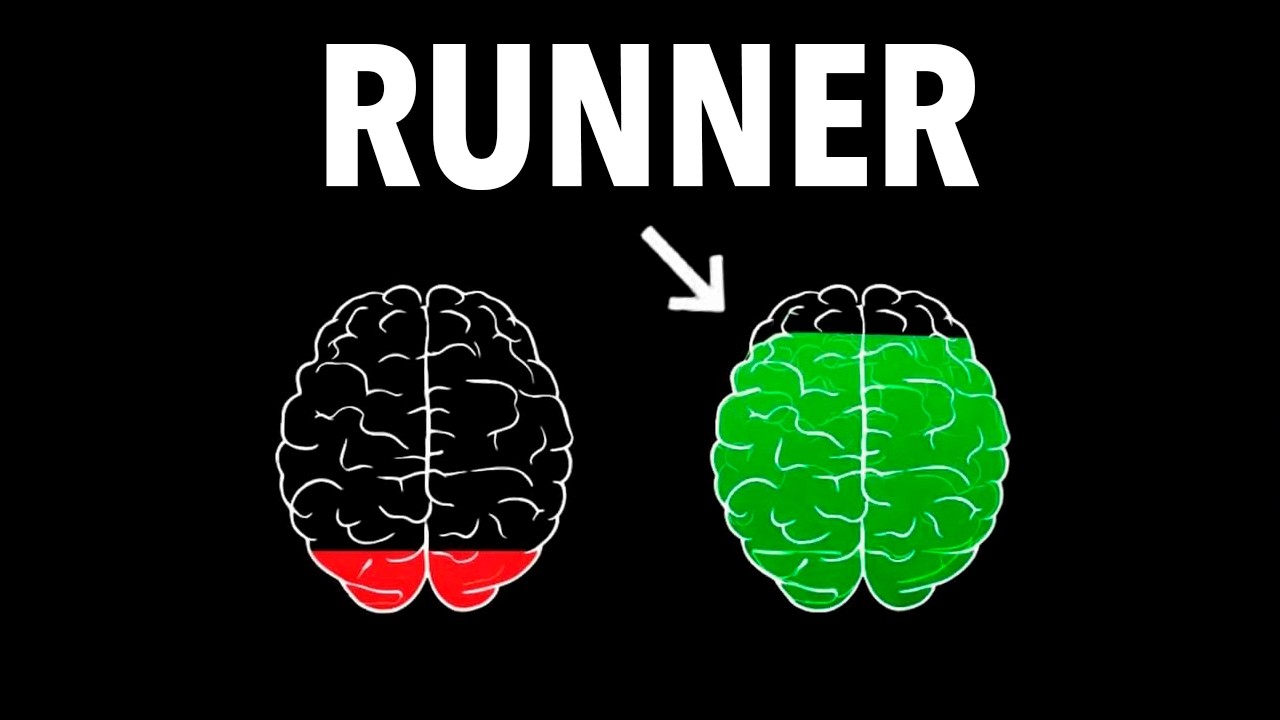
- Runner's high is a real phenomenon caused by the release of endorphins, endocannabinoids, dopamine, and serotonin in the brain.
- Exercise dependence can occur when running becomes compulsive, leading to negative consequences.
- Strategies to cultivate a love for running include building intrinsic motivation, making running part of your identity in a safe way, and reframing your mindset with gratitude.
Introduction: The Psychology of Running
The video introduces the concept that some people become addicted to running, waking up early to fit it in, while others quit after only a few attempts. It poses the question of whether this is due to discipline or a brain "hack". The presenter, Nicklas, a sport scientist, physiotherapist, and former professional triathlete, explains that those who love running share specific mental traits and that running can feel better than winning the lottery. However, the same psychological loops that make running addictive can also lead to burnout or injury. The video aims to explore the science behind why people love running and how to train your brain to become one of them.
Motivations for Running
A 2021 systematic review identified three common motivators for starting to run: physical health (feeling fit and capable), mental health (stress relief and clearing the head), and personal achievement (self-development and the rewarding feeling of reaching goals). However, these reasons are often just to get people started. Runners who continue running share five characteristics: a positive attitude, a sense of control over their training, confidence (self-efficacy), intentions and plans (not just vague goals), and social support. These runners build systems around themselves rather than relying on willpower. Running provides benefits beyond fitness, including improved mood, well-being, and reduced stress, anxiety, and depression, creating a positive psychological loop that reinforces the habit. This leads to an identity shift, where one becomes a runner, making it harder to quit.
The Science of Runner's High
Runner's high is defined as the happy, calm feeling some people experience after running for a long time. A 2024 scientific review found that runner's high is caused by the release of specific brain chemicals during long or hard exercise, including endorphins (pain relief and good feelings), endocannabinoids (calmness and happiness), and dopamine and serotonin (joy and motivation). Not everyone experiences runner's high the same way, as it depends on factors like fitness level, mood, personality, the duration and intensity of the run, and genetics. The researchers found that thoughts and personality play a significant role, with people more likely to experience runner's high if they already enjoyed running, stayed positive, pushed through discomfort, liked challenges, and were able to focus deeply (flow). The mental effects can be powerful, with some regular runners feeling sad or stressed when they stop running suddenly.
The Dark Side: Exercise Dependence
The video addresses the potential dark side of running, where the same mental loops that make it addictive can lead to exercise dependence. A 2016 scientific review found that exercise can become an addiction, similar to gambling, alcohol, or drugs. People may start needing more and more running to achieve the same mental effect, feeling anxious or depressed when they miss a session, running more or harder than intended, and prioritising training over other important aspects of life. Many people don't realise this is happening, and compulsive runners often feel intense guilt when they miss a workout. This can lead to ignoring pain, training through injury, and experiencing repeated stress fractures, tendon problems, knee injuries, fatigue, insomnia, and constant illness. The brain chemistry and identity become so tied to running that stopping feels psychologically worse than risking long-term damage. Runner's high becomes a double-edged sword, as the brain chemicals make not running feel unbearable, leading some runners to train to regulate their mood.
Training Your Brain to Love Running
The video explores whether you can train your brain to love running in a healthy way. Research suggests that much of what makes people stick with running is learned, including psychological habits, feedback loops, and self-talk. The video outlines three strategies for wiring your brain for long-term consistency without burnout.
Building Intrinsic Motivation
The first strategy is to build intrinsic motivation, which involves doing something because it feels meaningful, not because you're being forced or trying to impress others. A simple way to train this is to set a goal for each run that is not based on time or distance, such as breaking through a mental wall, enjoying the scenery, or focusing for the entire run. This teaches your brain to associate running with mastery and competence, not just suffering or external goals.
Making Running Part of Your Identity (Safely)
The second strategy is to make running part of your identity, but in a safe way. It's dangerous for ambitious athletes to define themselves solely by their athletic abilities, as they may struggle when injured or unable to train. It's important to understand that you are not just your marathon times, but also a friend, parent, and colleague. This way, missing training doesn't feel like losing yourself, and you can focus on other aspects of your life.
Reframing Your Mindset with Gratitude
The third strategy is reframing, which involves approaching training with a sense of gratitude instead of obligation. Instead of thinking "I have to run," think "I get to run," recognising that there are people who would give anything to be able to move like you do. This shift in perspective can make training much more enjoyable.
Conclusion: Key Takeaways
The video concludes by summarising the key points. People stick with running by building systems, plans, social support, and confidence, not just willpower. Running creates mood-boosting chemical loops (runner's high) that make life feel easier, leading to an identity shift where you become a runner. However, these loops can turn dark, leading to psychological dependence and training through injury. The healthiest long-term runners balance motivation without tying their entire self-worth to training. To train your brain to love running, focus on intrinsic rewards, let running be part of your identity but not your whole identity, and reframe training with gratitude.

