
Brief Summary
This video discusses the escalating tensions between China and Japan following Japanese Prime Minister Sana Takayichi's comments on a potential Taiwan contingency. China's retaliatory actions, including the cancellation of Japanese artists' performances and travel restrictions, are examined. The video also explores the reactions of Chinese citizens, Japanese businesses, and economic analysts to these developments, highlighting the potential financial impact and the CCP's strategic calculations.
- Cancellation of Japanese artists' concerts and events in China.
- Chinese citizens' reactions to travel warnings and anti-Japanese sentiment.
- Economic impact on Japanese businesses and Chinese travel companies.
- CCP's strategic goals and potential shift in approach.
Japanese Artists Targeted
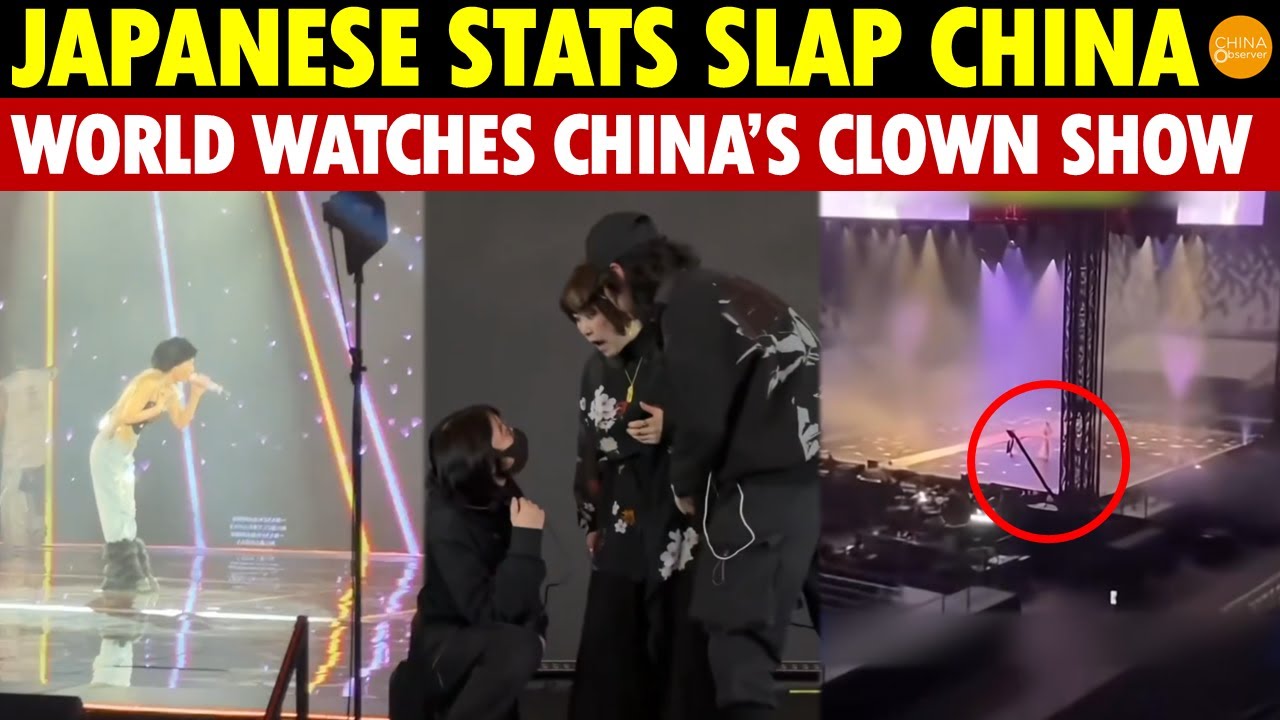
Japanese artists have faced unexpected cancellations of their performances in Shanghai, including pop star Aumi Hamasaki and singer Maki Otsuki. Otsuki's microphone was taken mid-performance, and Hamasaki's concert was cancelled despite 14,000 tickets being sold. Hamasaki apologised and performed for an empty venue, recording the performance for her fans. These actions have sparked criticism of the Chinese Communist Party (CCP) from netizens, who view it as a barbaric suppression of culture and freedom.
Fan Support and Criticism
Despite the cancellation of Aayumi Hamasaki's concert, fans gathered at a themed cafe to show their support. Some Chinese netizens praised Hamasaki's professionalism, while others criticised the Chinese government's actions. The CCP's attitude towards culture and freedom has been called barbaric, with some lamenting the decline of Shanghai as an international city. Hamasaki, a highly influential artist in Japan and popular in China, had previously shown respect for the victims of the Hong Kong fire tragedy by cancelling red costumes and flame effects for her Shanghai concert.
Broader Impact on Japanese Artists and Organisers
The diplomatic tensions have led to multiple Japanese artists having their performances in China cancelled, including boy band J1, actor Yuki Furukawa, jazz musician Yoshio Suzuki, and singer Akiko Yoshida Kokia. This boycott has caused significant financial damage to Chinese event organisers, who face losses from refunding tickets and covering expenses such as venue rentals, artist flights, and stage construction. Organisers typically pay a significant portion of the artist's fee before their arrival, leaving them with substantial losses when cancellations occur.
Analysis of CCP's Motives
Japanese media expert Akio Yikai suggests that the CCP's harassment of Japanese artists is an attempt to pressure the Japanese government to retract Prime Minister Sana Takuchi's statements on supporting Taiwan. This approach demonstrates China's disregard for art and human rights, causing losses for artists, organisers, and fans. Japanese netizens have condemned the CCP's actions and support Prime Minister Takahuchi's stance.
Travel Restrictions and Public Reaction
Following Prime Minister Takayichi's statement that "A Taiwan contingency is a Japan contingency," the Chinese government protested and imposed sanctions, including halting Japanese seafood imports. Despite official warnings against travel to Japan, many Chinese tourists continue to visit. Conflicting reports emerged regarding the number of cancelled trips to Japan, with some questioning the accuracy of official data. Public dissatisfaction arose after the CCP advised against travelling to Japan, with some defending Japan and questioning the regime's brainwashing efforts.
Experiences in Japan and Business Impact
Chinese residents in Japan report that life is normal, with many tourists still present. Some netizens shared positive experiences of their trips to Japan, highlighting the safety and affordability of the country. Despite Beijing's travel warning, businesses in Tokyo remain largely unaffected. While some shops have seen fewer Chinese customers, they have been compensated by increased visits from Japanese customers. Economic analysts estimate that the absence of Chinese tourists could result in a loss of 2.2 trillion yen, primarily impacting Chinese-owned travel companies and souvenir shops.
Impact on Airlines and CCP's Messaging
The travel restrictions have significantly impacted Chinese national airlines, with many return flights being cancelled. This has led to financial losses for airlines such as Air China, China Southern, and China Eastern. The CCP's official media outlet, Shinua News Agency, published an article suggesting that Japan has already paid the price for its stance, potentially indicating a shift in criticism and a move towards de-escalation.
Shifting Public Sentiment and CCP Strategy
An increasing number of Chinese citizens are questioning the CCP's actions, with many observing the situation and mocking the government. This suggests that the CCP's traditional tactics of igniting anti-Japanese sentiment are becoming less effective. Analysts believe that the CCP is avoiding large-scale protests to prevent them from shifting into anti-government demonstrations. The CCP's anti-Japanese actions are seen as a way to test Japan's response and project strength to the Chinese people.

