
Brief Summary
The video discusses methods for improving thinking skills, presenting five key strategies to enhance one’s thought process. The methods include branching techniques, situational thinking, understanding brain-rot thinking, structural pattern recognition, and the difference between reflection and overthinking. The speaker encourages viewers to adopt these practices to think better than the majority of people.
- Introduction of five thinking methods.
- Emphasis on reflection versus overthinking.
- Importance of situational awareness and pattern recognition.
The Branching Method
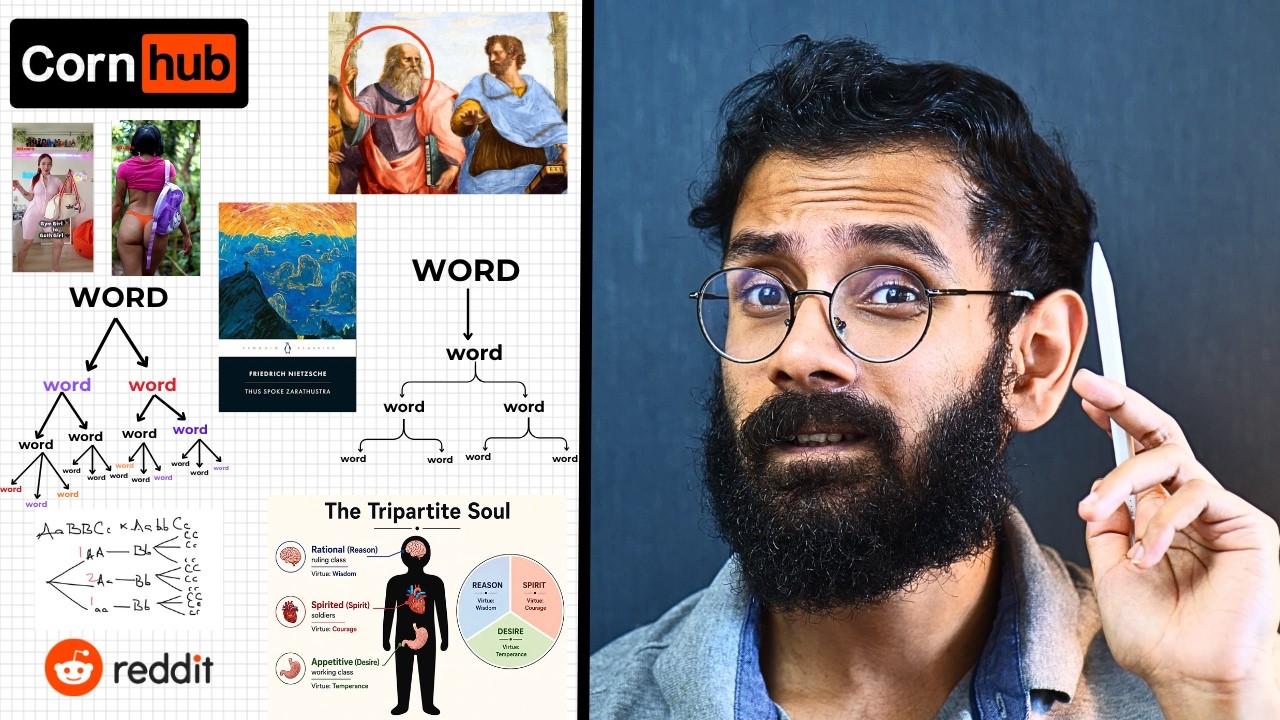
The video starts with an introduction to the Branching Method, illustrating how to take a single word and break it down into its fundamental components, similar to splitting atoms. Two techniques for this are discussed: Abstract Branching and Contextual Branching. The Abstract Branching allows free association of words, fostering rapid thinking by connecting various thoughts, such as memories associated with words like "home" or "father". Contextual Branching, on the other hand, contextualises the word within personal experiences. This method aids in forming deeper analyses and connections in conversations and readings, enhancing overall comprehension.
Situational Thinking Method
The speaker introduces Situational Thinking, advocating for a detached perspective during emotionally charged situations. This method allows individuals to observe their reactions and the context of situations without emotional involvement. Two techniques within this method include Occurred Situations and Visualised Situations. Occurred Situations involve reflecting on past experiences to learn from them rather than replay them emotionally, thus transforming them into data points for personal growth. Visualised Situations encourage mental preparation for future events by exploring various outcomes and responses, thus creating a strategic mindset that prepares one for both success and failure.
Brain-rot Thinking Mechanism
The Brain-rot Thinking Mechanism explains the lower levels of human thinking and how it can lead to confusion and dysfunction in thought processes. The speaker critiques superficial thinking prevalent in society, urging viewers to dissect low-quality thought patterns that distract from deeper, meaningful understanding. By engaging with casual or trivial thoughts, individuals risk reducing their cognitive engagement. The speaker highlights the importance of developing awareness of underlying motivations and biases that shape our perceptions and reactions.
Structural Pattern Recognition
The Structural Pattern Recognition method focuses on identifying patterns behind repeated incidents instead of merely recalling individual events. This method encourages thinkers to reflect on recurring themes in their lives, allowing for a better understanding of why certain situations keep arising. By recognising these patterns, individuals can learn valuable lessons about their behaviours and choices. This analytical approach encourages proactive changes rather than passive acceptance of events, fostering personal growth and improved decision-making.
Reflection vs Overthinking
The video delineates the distinction between reflection and overthinking. Overthinking leads to circular patterns where a person becomes fixated on past pains or regrets without gaining insight. In contrast, reflection serves as a deliberate process aimed at extracting lessons from experiences. The speaker emphasises that true thinking involves understanding situations, making conscious efforts to learn, and moving forward rather than being trapped in repetitive loops of negativity. This method encourages actionable insights and practical solutions to life’s challenges.
Exercise for you
In the final section, the speaker encourages viewers to practice the methods discussed. Viewers are prompted to engage with their thought processes, share their experiences in the comments, and reflect on which steps resonate with their thinking patterns. The invitation to participate in this mental exercise aims to foster a communal atmosphere of growth and mutual learning through shared insights on thinking better. The speaker concludes by reiterating the importance of understanding and utilising one's mind effectively.

