
Brief Summary
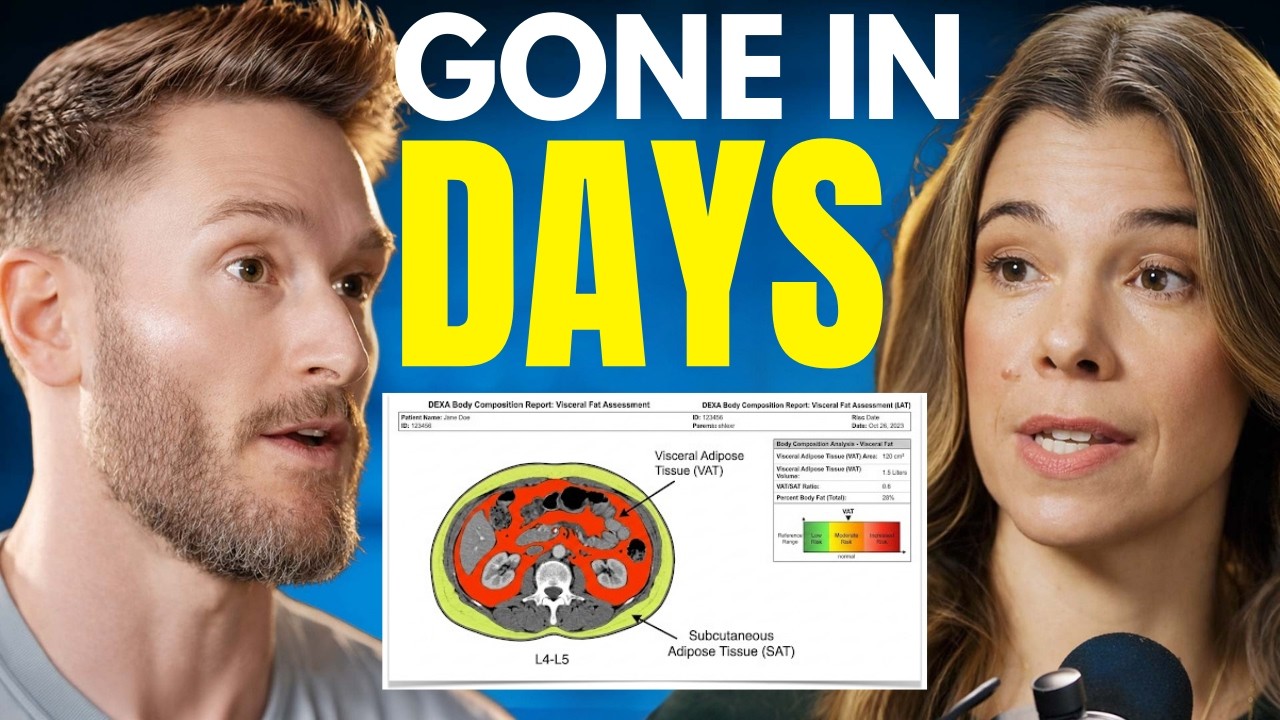
This video discusses the impact of visceral fat on health and provides insights on how to identify, manage, and reduce it. Key points include:
- Visceral fat is a deep-seated fat associated with various health issues, including insulin resistance and chronic fatigue.
- It can exist in lean individuals, leading to metabolic health risks.
- Lifestyle choices such as exercise and diet composition are critical in managing visceral fat levels.
Intro
The video introduces the concept of visceral fat and its implications on health. It emphasises the difference between visceral fat and subcutaneous fat, highlighting how visceral fat can affect metabolic health even in seemingly healthy individuals.
How to Know If You Have Visceral Fat (No DEXA Needed)
To determine if one has visceral fat, measuring waist circumference is crucial. For women, a waist circumference of 35 inches or more indicates high visceral fat, while in men, it’s 40 inches or more. This type of fat is deep within the abdomen and not easily pinched, presenting risks like an “apple-shaped” body type.
You Can Be Lean AND Metabolically Unhealthy
Some individuals can appear lean yet be metabolically unhealthy due to hidden visceral fat. This scenario can lead to prolonged health issues without obvious physical signs. The discussion highlights the significance of understanding visceral fat's presence regardless of surface appearance.
Free Variety Pack of LMNT Electrolytes
The video briefly mentions a promotion for electrolytes that can help with hydration and energy, particularly beneficial in managing cravings and enhancing cognitive function.
Visceral Fat vs Subcutaneous Fat
The distinction between visceral and subcutaneous fat is explored, with visceral fat being more metabolically active. It continues to break down triglycerides, releasing fatty acids that can lead to insulin resistance, unlike subcutaneous fat, which diminishes its activity once insulin is released post-meal.
The Energy Crash and Cravings Cycle Explained
Visceral fat causes insulin resistance, leading to energy crashes and cravings for high-calorie foods. The video details how the body responds to these fluctuations, resulting in a cycle of increased caloric intake and gradual visceral fat accumulation.
Why Visceral Fat Makes You Chronically Fatigued
Chronic fatigue is attributed to the inflammatory cytokines produced by visceral fat, resulting in a strain on the body's energy reserves. The body diverts energy to manage inflammation, affecting daily performance and energy levels.
Does Visceral Fat Cause Insulin Resistance or Vice Versa?
The relationship between visceral fat and insulin resistance is reciprocal. Visceral fat contributes to insulin resistance due to its metabolic processes and the release of free fatty acids that interfere with insulin receptors.
How Insulin Resistance Leads to Type 2 Diabetes
Insulin resistance is a precursor to type 2 diabetes, wherein the pancreas struggles to compensate with insulin production. This condition leads to elevated blood glucose levels, contributing to overall health deterioration.
How Visceral Fat Causes Non-Alcoholic Fatty Liver Disease
Visceral fat accumulation around the liver leads to non-alcoholic fatty liver disease (NAFLD), creating a cycle of metabolic disturbances. As the liver becomes inflamed and fibrotic, insulin resistance worsens, compounding health risks.
Is Visceral Fat Just a Proxy for Liver Fat?
The discussion examines whether visceral fat acts as an indicator for liver fat, asserting that while related, they are distinct. The liver is pivotal in managing body fat levels, receiving fatty acids directly from visceral fat breakdown.
Brain Insulin Resistance - The Missing Piece Nobody Talks About
Insulin resistance affects the brain, impairing satiety signals and leading to overeating. The brain's insulin response contributes significantly to how the body stores and utilizes energy.
Stress, Cortisol, and Why Your Body Stores Fat Viscerally
Chronic stress elevates cortisol levels, promoting visceral fat storage as a protective response. This evolutionary mechanism may lead to increased fat around internal organs during stressful periods.
Visceral Fat Increases Cancer Risk by 44%
Research indicates that high levels of visceral fat correlate with a 44% increased risk of various cancers, with inflammation and cellular damage being contributing factors to this heightened risk.
The Good News: Visceral Fat Goes Away Faster Than You Think
The positive note reveals that visceral fat can diminish relatively quickly through effective lifestyle changes and interventions emphasizing exercise and dietary improvements.
Exercise is the #1 Way to Lose Visceral Fat
Regular exercise, particularly cardiovascular training and high-intensity interval training (HIIT), is highlighted as the most effective strategy for reducing visceral fat, even for individuals who do not experience significant weight loss.
HIIT vs Cardio - Which Burns More Visceral Fat?
High-Intensity Interval Training (HIIT) is presented as more effective than steady-state cardio for reducing visceral fat. Engaging in HIIT can lead to accelerated fat loss in a shorter amount of time.
Does Resistance Training Help with Visceral Fat?
Resistance training is noted to support muscle maintenance and overall health; however, its direct impact on visceral fat loss varies by age group, particularly showing benefits for postmenopausal women.
Why Menopause Causes Belly Fat (and What to Do About It)
Menopause leads to hormonal changes that affect fat distribution. Women experience increased abdominal fat due to decreased estrogen levels, altering how the body stores energy.
Calorie Deficit is the Second Biggest Lever to Pull
Ensuring a calorie deficit through dietary changes is crucial for losing visceral fat. Weight loss tends to result in a more pronounced reduction in visceral fat compared to other fat types.
Does Diet Composition Matter If Calories Are the Same?
The composition of a diet significantly influences visceral fat accumulation. Different sources of calories can lead to varied metabolic responses and overall health outcomes.
Sleep Deprivation Causes Visceral Fat (Even Without Weight Gain)
Sleep deprivation is linked to increased visceral fat, even in the absence of weight gain. Lack of sleep can exacerbate stress, cravings, and insulin resistance.
How to Break the Visceral Fat Cycle for Good
Strategies to break the cycle of visceral fat accumulation involve addressing diet, exercise, sleep, and stress management. Integrating holistic lifestyle changes can promote long-term health.
Inflammation is the Root Cause of Insulin Resistance
Chronic inflammation plays a fundamental role in insulin resistance, impacting the metabolism of fats and sugars. It suggests addressing inflammation can help manage visceral fat levels.
Sedentary Living and Processed Foods Drive Chronic Inflammation
Sedentary behaviour and the consumption of processed foods contribute to chronic inflammation, promoting visceral fat accumulation and related diseases like diabetes.
Omega-3s Blunt the Inflammatory Response After Meals
Integrating Omega-3 fatty acids into the diet can mitigate post-meal inflammation and support overall metabolic health, reversing some of the negative impacts of visceral fat.
Alcohol and Visceral Fat: How Bad Is It Really?
Regular alcohol consumption is associated with increased visceral fat, contributing to metabolic issues. Understanding the impacts of alcohol can guide healthier intake choices.
Rhonda's Current Take on Sauna (Has Anything Changed?)
The video highlights the benefits of sauna for cardiovascular and brain health, affirming its role in stress relief and potential metabolic enhancement, while cautioning against excessively high temperatures.
Don't Go Above 200°F - The Dementia Risk Nobody Warns About
Sauna temperatures above 200°F may increase dementia risk based on recent studies, suggesting moderation in sauna use can promote health benefits without potential harm.
Sauna After Exercise Boosts VO2 Max More Than Exercise Alone
Using the sauna post-exercise has been shown to enhance cardiovascular performance (improving VO2 max) beyond the benefits of exercise alone, offering an effective workout enhancement strategy.
Does Sauna Help Reduce Visceral Fat?
While sauna use alone is not a primary method for visceral fat loss, when combined with exercise, it can support overall fat reduction and improve metabolic health.
Sauna's Effect on the Glymphatic System (Brain Waste Clearance)
The sauna may assist in activating the glymphatic system, which aids in brain waste clearance, potentially improving cognitive function and overall brain health.
Can You Actually Detox Through Sweat?
Detoxification through sweat is possible, but the primary routes for eliminating toxins like BPA and phthalates are through urine and feces, making dietary choices significant in reducing overall toxin load.
Glutamine - Why Both Thomas and Rhonda Take It
Glutamine is discussed as crucial for gut and immune health, highlighting its role in energy production and potentially supporting healthier gut function and reducing inflammation.
Microplastics vs Plastic Chemicals
The video distinguishes between microplastics, which are the breakdown products of larger plastics, and harmful plastic-associated chemicals such as BPA and phthalates, discussing their health implications.
Fiber is Your Best Defense Against Microplastics
Insoluble and soluble fibers are effective at reducing the absorption of microplastics in the gut and promoting their excretion, serving as a dietary countermeasure against plastic accumulation.
Sulforaphane for Clearing BPA and Plastic Chemicals
Sulforaphane, found in cruciferous vegetables, assists in detoxifying plastic-associated chemicals by enhancing the liver's ability to metabolise them for excretion.
Forever Chemicals - How Long Do They Stay in Your Body?
Forever chemicals remain in the body for years and are linked to significant health risks. Strategies to address these chemicals include dietary adjustments and lifestyle changes.
Where to Find More of Rhonda
Rhonda shares information about her podcast, YouTube channel, and free resources available on her website, focusing on health, nutrition, and wellness insights for the public.

