
Brief Summary
This video features Professor Tim Spector discussing how his scientific views and personal health habits have evolved over the past year. He covers topics ranging from oral health and the gut microbiome to the importance of varied exercise and quality sleep. Key takeaways include the surprising link between oral hygiene and dementia risk, the re-evaluation of vitamin D's role, and the increasing recognition of ultra-processed foods as a major public health threat.
- Oral health significantly impacts brain health; optimal teeth cleaning can reduce dementia risk.
- The gut microbiome remains crucial for overall health, with food quality playing a key role.
- Ultra-processed foods are a major public health concern, potentially surpassing smoking in danger.
- Vitamin D's benefits are more targeted than previously thought, with limited evidence for widespread supplementation.
- A mix of exercises, including weight training, is important for overall health and preventing aging.
- Prioritising sleep quality and duration is essential, with habits like avoiding late-night eating being beneficial.
The daily habit that may cut dementia risk by up to 40%
Professor Tim Spector highlights the importance of optimal teeth cleaning for brain health. Recent studies suggest that maintaining good oral hygiene, including flossing or using interdental brushes, can reduce the risk of dementia by 20 to 40%. This is because poor oral hygiene leads to inflammation in the gums, which can then spread to the brain.
The nutrition advice scientists completely reversed
Professor Spector discusses how scientific opinion on fats has changed significantly. He recalls advising patients to avoid fats and consume starchy foods like rice, pasta, and potatoes. However, current scientific consensus recognises that many fats are beneficial. This shift in understanding has been slow to translate into updated government guidelines and public opinion due to industry influence and the complexity of dietary recommendations.
The vitamin D discovery that fooled scientists for years
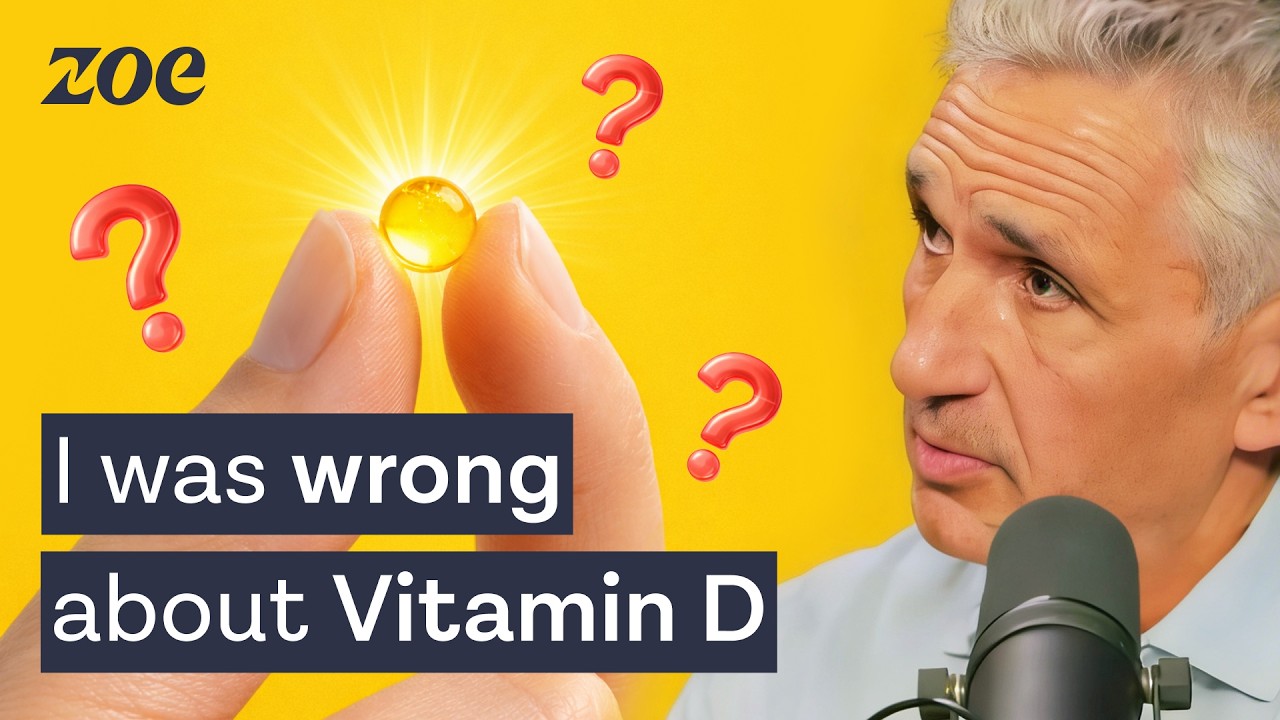
Professor Spector admits he was once a strong advocate for vitamin D supplements to prevent osteoporosis. However, large-scale studies with placebo groups revealed that vitamin D does not significantly reduce fracture rates in most people. Despite this evidence, many doctors still recommend vitamin D, highlighting the slow adoption of new scientific findings in medical practice.
The one health belief Tim is more convinced about than ever
Professor Spector expresses his strong conviction that the gut microbiome is crucial for overall health. He notes that a healthy gut microbiome supports various aspects of well-being. Recent scientific findings increasingly link food quality to mental and physical health, further emphasising the gut microbiome's importance.
The public health threat Tim says may be worse than smoking
Professor Spector believes that ultra-processed foods pose a significant public health danger, potentially surpassing smoking in terms of risk. He is involved in redefining ultra-processed foods into categories of risk to better understand and address the harmful effects of these foods.
The new research linking oral health to dementia
Professor Spector discusses new research highlighting the link between oral health and dementia. He explains that optimal teeth cleaning, including flossing, can reduce dementia risk by 20-40%. This is due to the removal of microbes that cause gum inflammation, which can negatively affect the brain.
How mouth bacteria may affect your brain
Professor Spector explains how flossing affects heart and brain health. Microbes in the mouth, similar to those in the gut, can become pro-inflammatory when fed by trapped food particles. These microbes send signals to the immune system, which then communicates with the brain, causing stress and premature aging.
Why Tim chose food over omega-3 supplements
Professor Spector discovered he had low omega-3 levels and high omega-6 levels. Instead of taking supplements, he increased his intake of oily fish like anchovies, sardines, and salmon. After retesting, his omega-3 levels improved without supplements. He prefers obtaining nutrients from whole foods due to the additional, yet undiscovered, benefits they provide.
Should vegans worry about omega-3?
Professor Spector advises vegans to get tested for omega-3 levels. If they are already consuming nuts, seeds, and other plant sources of omega-3s, supplementation may not be necessary unless levels are low. He highlights the importance of the omega-3 index, which measures the levels of key omega-3s in blood cells, as a more accurate indicator than the omega-3 to omega-6 ratio.
The surprising brain benefits of folic acid
Professor Spector discusses his discovery of low B12 and folic acid levels. He now takes supplements for both, especially folic acid, due to recent studies showing its benefits for brain health in older adults. While folic acid supplementation is crucial for pregnant women, it also aids cognition in older adults.
Why Tim changed his mind about vitamin D
Professor Spector admits he has changed his stance on vitamin D. While previously dismissing its widespread benefits, he now acknowledges its potential role in reducing the risk of type 2 diabetes. He prefers obtaining vitamin D naturally through sun exposure and foods like oily fish and mushrooms, rather than relying on supplements.
Why we shouldn’t fear winter sun
Professor Spector advises against being overly cautious about sun exposure in winter. He suggests that getting as much sunlight as possible during winter months can help obtain essential chemicals and potentially other unknown benefits. He stresses the importance of protecting against sunburn but encourages regular sun exposure.
The exercise change Tim made this year
Professor Spector discusses the importance of varied exercise. He has incorporated more weight training into his routine to build lean mass, complementing his existing cardio activities like cycling and swimming. He emphasises the need to find enjoyable activities to maintain consistency and highlights the benefits of Pilates for core strength.
The sleep rule Tim now follows every night
Professor Spector has made a conscious effort to improve his sleep quality and duration. He avoids eating or drinking within two hours of going to bed to improve sleep quality. He has also invested in blackout curtains and earplugs to create a better sleep environment.
The unusual sleep experiment Tim tried
Professor Spector experimented with mouth taping to improve his sleep. He found that it reduced his nighttime thirst and improved his sleep quality. While acknowledging that it may not be suitable for everyone, he suggests it could be beneficial for those who wake up with a dry mouth.

