
Brief Summary
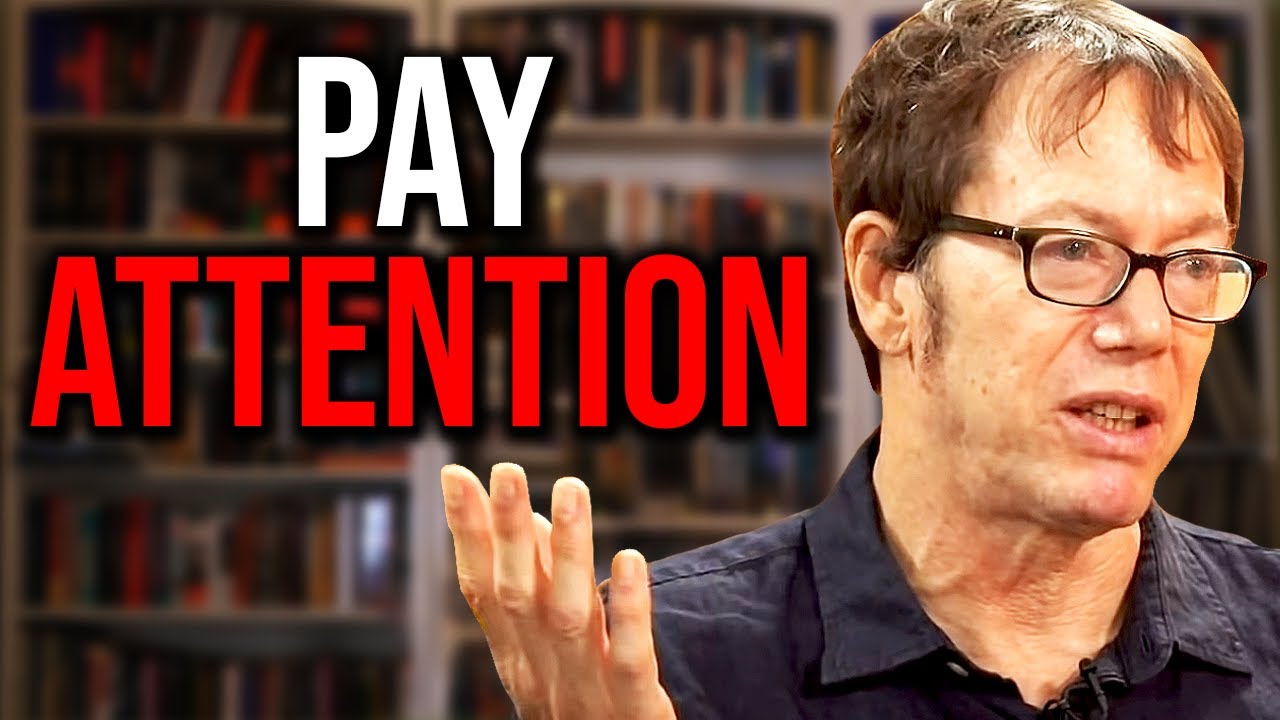
Robert Greene discusses the importance of non-verbal communication and deciphering people beyond their words. He argues that humans possess two languages: verbal and non-verbal, with the latter being more difficult to deceive with. By paying attention to facial expressions, tone of voice, body language, actions, and writing styles, one can gain a deeper understanding of others, avoid social pitfalls, and influence people more effectively.
- Humans express themselves through a second language of non-verbal cues.
- Paying attention to non-verbal cues provides social power and influence.
- Observing facial expressions, tone of voice, body language, actions, and writing styles reveals deeper insights into a person's true feelings and intentions.
Introduction to Non-Verbal Communication
Robert Greene introduces the concept of non-verbal communication as a crucial skill for understanding people on a deeper level. He highlights that humans are social animals, and a lack of understanding of non-verbal cues can lead to misinterpretations and negative experiences. He emphasises that humans possess two languages: words and non-verbal cues. While words can be deceptive, the second language, encompassing body language, gestures, and behaviour, is harder to fake. Developing sensitivity to this second language provides social power, helps avoid dramas, and enables greater influence.
Facial Expressions and Tone of Voice
The most obvious way to read people is through their face. Authentic emotions are expressed through the eyes, such as excitement causing them to open wider. Narcissists, despite appearing interested, often have "dead eyes" that don't engage. Discrepancies between facial expressions, like a smile that doesn't reach the eyes, are key indicators of insincerity. Genuine emotions animate the entire face, making it difficult to fake. Tone of voice is also a significant indicator of sincerity, deception, or fear. Actors can control their faces to some extent, but the voice is harder to manipulate, revealing true feelings.
Body Language, Actions and Gestures
Body language is extremely important, but people often overlook actions and gestures. How someone says goodbye, ends a conversation, or concludes an email reveals their true feelings. Impatient goodbyes indicate a desire to escape, while lingering suggests a desire for more interaction. Tone in texts and emails also conveys emotions and interest. Writing style can reveal narcissism through extravagant language and empty ideas.
Relationship to Time and Job Interviews
A person's relationship with time reveals their personality. Procrastination and lateness indicate a self-centred attitude. In job interviews, it's important to observe how candidates handle uncomfortable questions. Those who admit they don't know an answer are often more intelligent and secure than those who try to bluff.
Seeing People in Multiple Dimensions
Robert Greene concludes by encouraging viewers to see people in more than one dimension. Instead of projecting preconceptions, try to understand their world and moods. This opens up new dimensions, transforming them into fully realised human beings and fostering social intelligence, which is key to power in the world.

