
Brief Summary
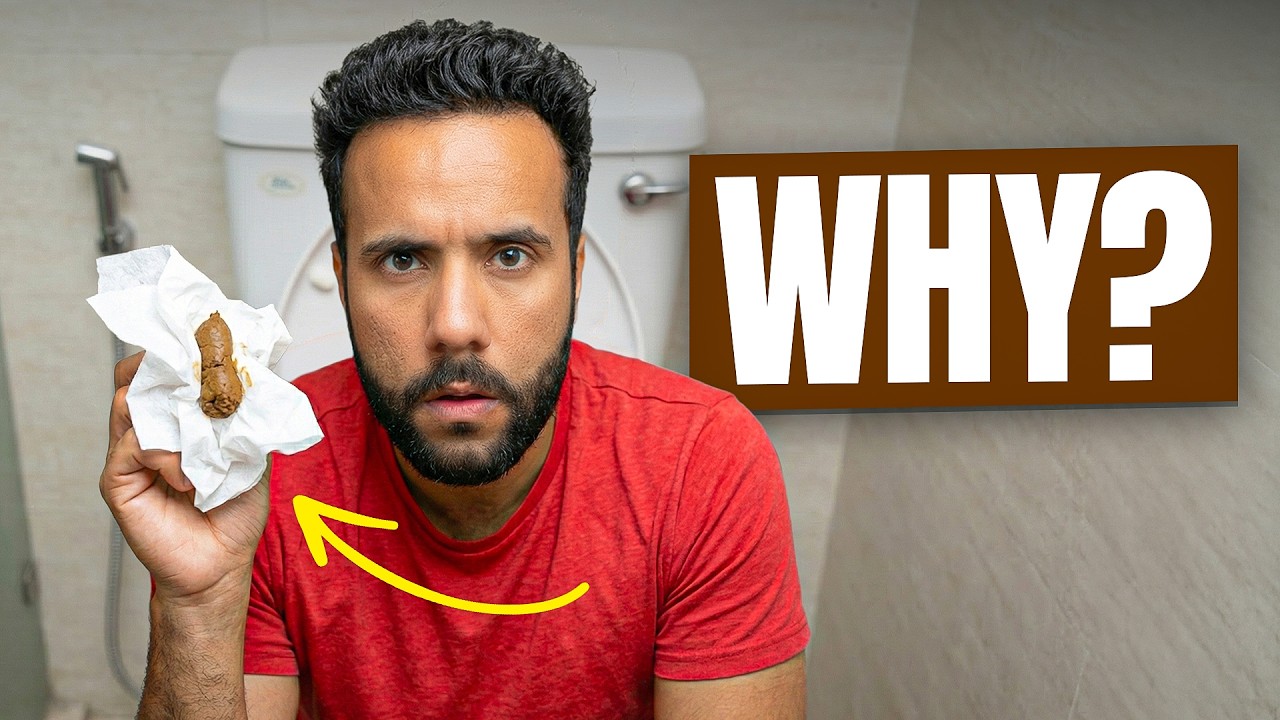
This video explains the science behind why our poop is brown and why it smells the way it does. It covers the journey of red blood cells, the role of the liver and intestines, and the bacteria involved in giving poop its characteristic colour and odour. The video also touches on how diet and internal health issues can affect poop colour and smell, highlighting the importance of observing these characteristics as indicators of overall health.
- The brown colour of poop comes from stercobilin, a substance produced by bacteria in the large intestine.
- The smell of poop is primarily due to skatole, a compound formed from the breakdown of tryptophan.
- Changes in poop colour can indicate dietary influences or underlying health issues.
Introduction
The video introduces the topic of poop colour and smell, questioning why the end product of digestion is always some shade of brown, regardless of the colour of the food consumed. It promises to explain the science behind this phenomenon, warning viewers that the topic might get a little messy.
The Role of Blood
The explanation begins with blood, specifically red blood cells (RBCs), which carry oxygen. When RBCs die, the haemoglobin within them breaks down, leading to the release of bilirubin. This bilirubin is then transported to the liver, where it enters the gallbladder and becomes part of bile juice. Initially, this bile is greenish-yellow. If the process stopped here, our poop would be green.
The Intestinal Transformation
The brown colour originates in the large intestine when undigested food arrives from the small intestine. Trillions of beneficial bacteria in the large intestine convert bilirubin into stercobilin, which gives poop its brown colour. Another byproduct, urobilin, is filtered by the kidneys and contributes to the yellow colour of urine.
Factors Affecting Poop Colour
The video addresses why poop colour varies. Eating beetroot, which contains a red pigment called betanin, can turn poop red because the pigment is resistant to digestive enzymes. Green poop can indicate that bile juice isn't being properly processed.
The Science of Poop Smell
The video explains the source of poop's smell, comparing it to the scent of flatulence. Amino acids that aren't absorbed by the body travel to the large intestine, where bacteria break them down. Indole, a compound produced during this process, contributes to the smell. Skatole, formed when a methyl group is added to indole, is the primary cause of poop's signature odour.
Conclusion
The video concludes by emphasising that poop serves as a daily report card on our internal health. It encourages viewers to appreciate the body's recycling system and to pay attention to the colour and smell of their poop as indicators of well-being.

