
Brief Summary
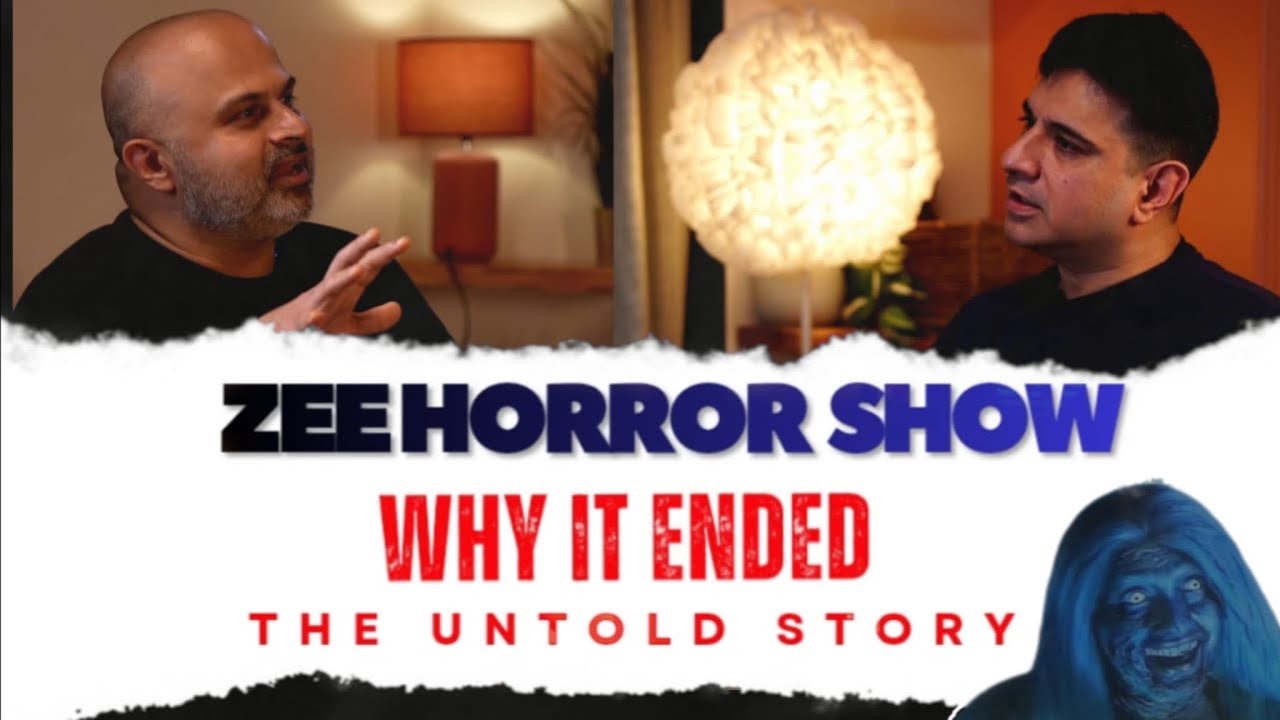
Deepak Ramsey from the famed Ramsey family, synonymous with horror films in India, discusses the origins, challenges, and impact of "Zee Horror Show". The show, which ran for seven years with almost 365 episodes, brought horror to Indian television screens. Deepak shares insights into convincing actors to work on TV, managing tight production schedules, and the creative process behind the show's iconic monsters and visual effects. He also touches on the possibility of reviving the series for modern audiences, incorporating current technology like AI and improved VFX.
- The Ramsey family were pioneers of the horror genre on Indian television.
- "Zee Horror Show" faced initial skepticism due to budget constraints and tight TV production schedules.
- The show's success led to other TV series, including "Zimbo" and "Naggin".
- Deepak Ramsey is currently in talks to revive "Zee Horror Show" for modern audiences.
Introduction to Deepak Ramsey and the Ramsey Family
Deepak Ramsey, hailing from the Ramsey family, renowned for their significant contribution to horror films in India, speaks about his background. The Ramsey family, consisting of seven brothers trained by their father in various aspects of film production, introduced the horror and supernatural genres to India. Together, they have produced over 60 films and more than 500 episodes of horror and supernatural TV series.
The Genesis of "Zee Horror Show"
Deepak explains how "Zee Horror Show" came to fruition. In the late 1980s and early 1990s, as ZTV was establishing itself in India, Deepak's father, Tulsi Ramsey, met with Subash Chandra to sell satellite rights for films. During this meeting, Subash Chandra suggested creating a horror series similar to those in the West, bringing horror to Indian television. This idea was unique, especially since Doordarshan was the only nationalised channel at the time. The initial concept for "Zee Horror Show" involved stories spanning four to five episodes, focusing on horror and the supernatural.
Convincing the Ramsays to Transition to Television
The Ramsey family were initially hesitant about moving from the big screen to television. Having completed around 40-42 films, they were comfortable with the cinematic space. The idea of "Zee Horror Show" brought concerns about managing budgets and the faster pace of TV production compared to the more relaxed timelines of cinema. Unlike film-making, which allowed for extended production times, TV demanded a continuous bank of episodes. The Ramsays were unsure if they could deliver content at the required pace, considering the time-consuming nature of horror film-making, including script development, characterisation, casting, and post-production.
Overcoming Apprehensions and Early Success
The Ramsays initially agreed to a trial run of 13 to 26 episodes to gauge audience reception. They began building a bank of series, with "Dastak," featuring Archana Puran Singh and Pankaj Dheer, being the first. The scenes involving Archana's head on a dining table became key sequences that garnered recognition for "Zee Horror Show". The theme music, borrowed from Puran Mandonder's "Samri," became iconic, signalling "Zee Horror Show" time every Friday at 9:30 pm.
Deepak Ramsey's Involvement and Directorial Debut
After the initial success of the first 26 episodes, Sham and Tulsi Ramsey found the workload increasingly challenging. Deepak Ramsey got his first opportunity to direct an episode of "Zee Horror Show" called "Dur". "Dur" tells the story of a character who rises from his cremation ground and returns home, but is not the same.
Atmosphere on Set and Production Pace
The sets of "Zee Horror Show" had a happy, family-like atmosphere, with many Ramsey brothers, their sons, and cousins involved in various aspects of film-making. However, the pace of production for the series was much faster compared to their regular film shoots. Time was a constraint, requiring significant pre-planning even after shoots to ensure preparedness for the next day.
Total Episodes and Show's Run
"Zee Horror Show," later also known as "Anhoni," produced approximately 365 episodes and ran successfully for almost seven years. The show maintained high TRP (Television Rating Point) ratings, even until it was taken off the air due to the channel's desire to pursue new ideas and directions.
Successful Episodes and Audience Connection
Several episodes of "Zee Horror Show" were highly successful, starting with the very first story, "Dastak." Other notable stories included "Chandalika," "Jadu Tona," and "Samri." The challenge was to introduce something different and appealing every four episodes to maintain audience engagement. The short stories aimed to immerse viewers in the horror experience, offering new characters, stories, and ghosts every few episodes.
Popular Actors and the CGI Mask
Many popular actors featured in "Zee Horror Show," including Archana Puran Singh, Pankaj Dheer, Tarakkesh Chauhan, Gajendra Chauhan, and Javed Khan. The show's opening sequence featured a CGI mask, a pioneering graphic at the time, which was a tribute to Shri F.U. Ramsey. The mask was intended to represent his blessings and presence in every episode, as he couldn't physically appear on ZTV.
Convincing Film Actors to Work on TV
Initially, film actors were apprehensive about working on the small screen due to the perceived glamour of big films and the low-budget reputation of television, particularly after Doordarshan. Convincing them involved highlighting the unique and unprecedented nature of "Zee Horror Show," as horror had never been shown on TV before. The Ramsays were the first to bring horror to television, making it accessible in people's homes.
New Talent and Location Management
"Zee Horror Show" launched many new faces, offering roles to newcomers who later gained popularity. The Ramsays had a knack for introducing new talent in both their films and TV series. Managing locations for the show involved maintaining a list of pre-approved sites. Outdoor shoots outside Bombay were not feasible due to the show's demanding schedule, which required shooting during the day and completing post-production at night for the Friday broadcast. They primarily used studios in Bombay, such as SL Studios and Film City, and hired bungalows in Juhu, Andheri West, and Lokhandwala, sometimes shooting two stories simultaneously at the same location.
Shooting Process and Episode Turnaround
The Ramsays followed a strict 2 pm to 10 pm shift, allowing for both daytime and nighttime shooting. This schedule also enabled immediate post-shoot editing, corrections, background music checks, and effects adjustments. The tapes, shot on high band and beta, were sent for mastering in the morning and then dispatched to Hong Kong for telecast.
Retakes and Content Quality
The format of shooting on digibeta was advantageous as it eliminated concerns about expensive raw stock, unlike film shoots where multiple retakes wasted film. With beta and high band tapes, retakes could be retained and used for insertions without worrying about material costs. To maintain content quality despite the rapid production schedule, two units were employed. Sham and Tulsi Ramsey managed one unit, while Deepak Ramsey led another independently, each shooting different stories simultaneously with separate teams of artists. This approach prevented monotony and ensured diverse creative input.
Writing and Fatigue
The stories were primarily written by Sham Ramsey and Deepak Ramsey, with additional writers contributing dialogues on set. Shooting for seven years led to fatigue, but the division of work between two units helped manage the workload. The different styles and techniques used by each unit ensured varied content. The show's success translated into significant earnings from television rating points, with "Zee Horror Show" being a top performer for the channel.
Other TV Series and Return to the Big Screen
After "Zee Horror Show," the Ramsays worked on an action TV series called "Zimbo," based on Batman, but its high production costs led to a short run. They also created the first "Naggin" series, which was successful but faced issues with animal rights groups regarding the use of snakes. Other series included "Saturday Suspense" for ZTV and episodes of "C.I.D." for Sony TV. Despite their success on TV, there was always a temptation to return to the big screen, which offered larger budgets, more experimentation, and less restrictive timelines. After "Zee Horror Show," Deepak directed a romantic comedy film called "Kooie," which, despite its genre, still had audiences expecting horror elements due to the Ramsey brand.
Memorable Incidents and Fan Impact
Deepak recounts an incident where actress Punam Das Gupta wore hard contact lenses for over three hours during a shoot, causing panic when they couldn't be removed. Deepak managed to safely remove the lenses, relieving the situation. He also notes that "Zee Horror Show" was popular among kids, balancing horror with elements that appealed to younger audiences. ZTV once asked them to tone down the horror because kids loved it so much.
Prosthetics, VFX and Influences
Prosthetics were in a nascent stage, with the team using backlog items from their films. Makeup artists like G.A. James improvised on set to create believable gothic looks. VFX was also in its early stages, so the team started their own VFX school to create effects specifically for the series. Influences included international series like "Twilight Zone," "The Rocky Horror Show" (from which "Zee Horror Show" got its name), "Tales from the Crypt," and Hammer House of Horror shows, though the stories and scripts were original and Indian.
Reviving "Zee Horror Show" for the Modern Era
Deepak believes that "Zee Horror Show" could be even better if remade today, with the advancements in VFX, AI, background music, and sound effects. He is currently in talks with production houses and OTT platforms to revive the series, aiming to create short stories that resonate with audiences.
Final Thoughts and Gratitude
Deepak expresses gratitude to the fans for their love and support, from their films to "Zee Horror Show." He acknowledges the fan clubs that continue to request a second season and assures them that something similar is in the works.

