
Brief Summary
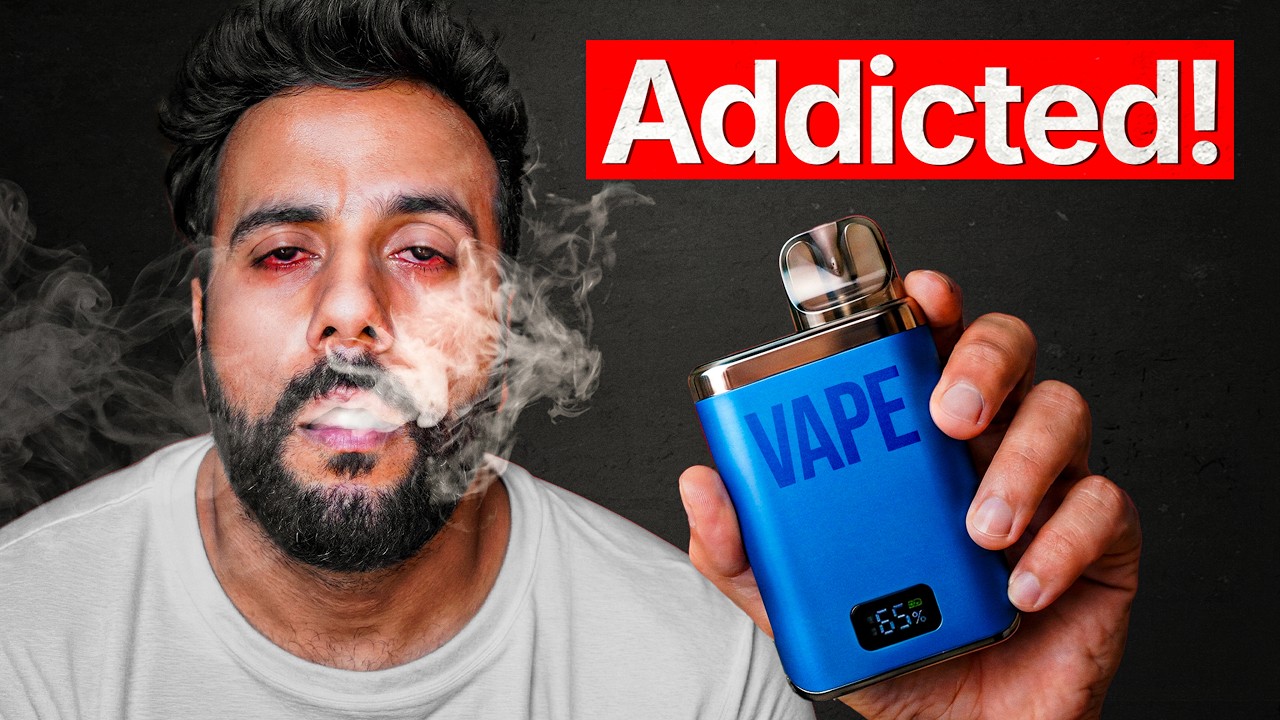
The video discusses the various aspects of vaping, its effects on health, and the addictive qualities of e-cigarettes. It highlights the dangers of vaping, especially among teenagers, and outlines the components of vaping liquids.
- The WHO reports that over 100 million people use vapes, with 15 million being teenagers.
- Vaping liquids contain nicotine, propylene glycol, vegetable glycerin, and artificial flavors, all of which can be harmful.
- The video conducts experiments demonstrating the impact of nicotine on heart rate and the long-term effects on lung health through medical imaging.
Introduction to Vaping
The video begins by explaining the prohibition on e-cigarettes in India since September 2019 and the rising trend of vape usage globally, especially among teenagers. It aims to uncover what makes vaping addictive and how it harms the body, while also addressing methods to overcome this addiction.
Vaping Components
The presenter opens up a vape device to discuss its internal components, explaining that it is powered by a battery with a heating coil. When activated, liquid inside is vaporized to produce aerosols for inhalation rather than smoke. The key components of the vaping liquid include:
- Propylene Glycol - A thin, odorless liquid that carries flavors and replicates the throat hit experienced with tobacco smoke.
- Vegetable Glycerin - A thicker, sweeter liquid that produces the visible vapor clouds.
- Flavors - Artificial flavors that mimic various tastes but may produce harmful compounds when heated.
- Nicotine - The addictive substance found in both traditional cigarettes and vapes, which significantly affects heart rate and health.
Effects of Nicotine
Through experiments, it is shown how consuming nicotine rapidly increases heart rate. The heart rate of subjects who inhaled nicotine jumped significantly within minutes, highlighting its immediate impact on the body. The harmful potential of long-term nicotine use is emphasized as contributing to several health risks.
Health Risks of Vaping
The video details the harmful chemicals released when vaping, including formaldehyde and acrolein, which can irritate the lungs and damage respiratory functions. It discusses the illness known as EVALI (e-cigarette or vaping product use-associated lung injury), which has resulted in hospitalizations and fatalities.
CT Scan Results
In this section, the presenter compares lung scans between a long-time smoker and himself. The results indicate significant differences in lung health, showing signs of damage in the smoker's lungs while the presenter’s lungs appeared healthy.
Addiction Factors
The presenter explains why vaping is particularly addictive among young people. Key reasons include:
- Nicotine Release: Creates a temporary feeling of well-being.
- Flavor Appeal: Young users prefer the variety of flavors as opposed to the unpleasant smell of traditional tobacco.
- Convenience: Vapes are small and easy to use, enhancing their appeal.
- Social Acceptance: Peer pressure and social influences encourage youth to adopt vaping.
Ways to Quit Vaping
Finally, the video offers practical advice for quitting vaping. Recommendations include:
- Biological Reset: Stopping nicotine intake for 72 hours can significantly reduce cravings.
- Dopamine Shift: Engaging in rewarding activities can help cope with withdrawal symptoms.
- Faking the Habit: Using non-nicotine devices can fulfill the hand-to-mouth action associated with vaping.
- Identifying Triggers: Understanding circumstances that lead to cravings can help manage addiction effectively.
The video aims to shed light on the dangers of vaping and provide guidance for those seeking to quit, emphasizing the importance of awareness among young people.

