
Brief Summary
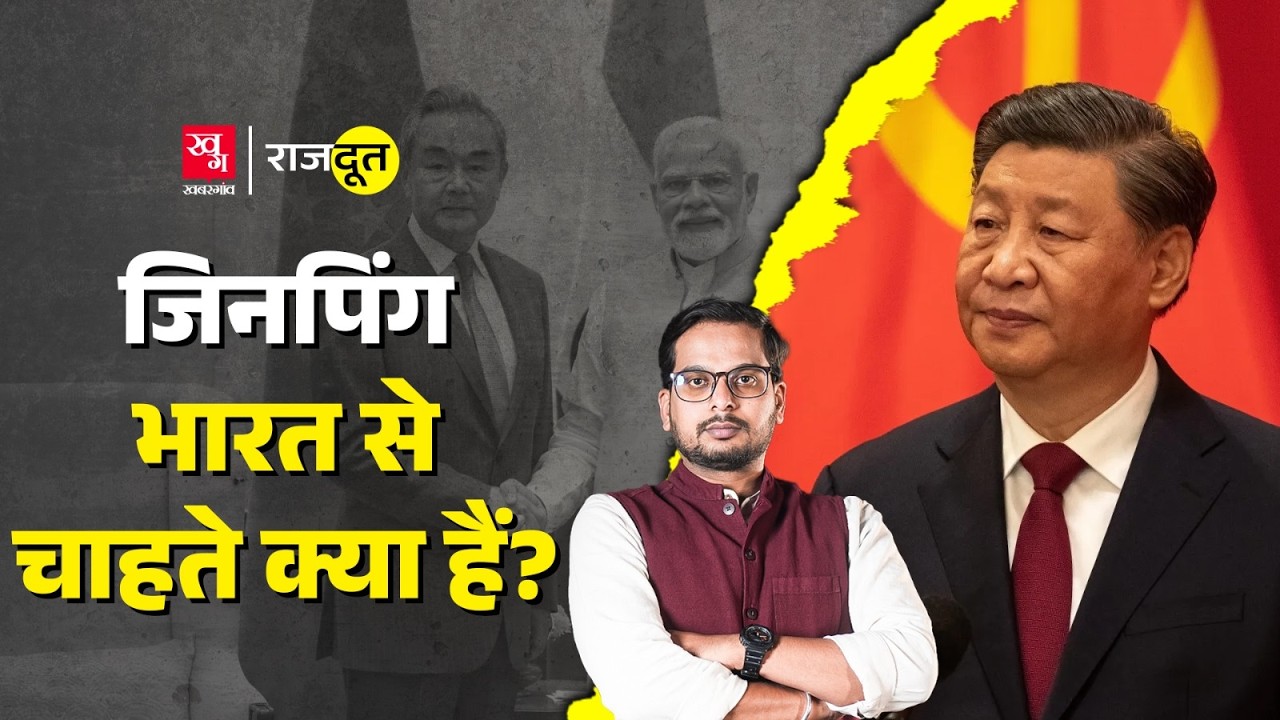
The video discusses India's evolving foreign policy, particularly its relationship with China and the US. It highlights how India, traditionally aligned with the US, is now seemingly reconsidering its ties with China amidst trade disputes with the US. The video raises concerns about whether India is moving too close to China without addressing key issues like border disputes and whether this shift is a strategic move or a compromise.
- India's strategic autonomy is being questioned as it appears to be leaning towards China due to trade issues with the US.
- The video examines the historical context of India's relationships with both the US and China, including the border conflict and subsequent agreements.
- It also analyses how other countries have dealt with similar challenges posed by the US, suggesting India might be lagging in its diplomatic approach.
Intro
The video starts with a song "Hum the wo thi aur sama rangeen" and draws a parallel between the song's theme of unexpected journeys and India's current foreign policy trajectory. It suggests that India's diplomatic path is taking an unexpected turn, particularly in its relationship with China, even though there have been border issues in the past. The presenter highlights the recent meeting between Chinese Foreign Minister Wang Yi and NSA Ajit Doval in Delhi, where both sides expressed optimism about improving relations.
India's Shifting Alliances
The presenter talks about how India's foreign policy has evolved since the economic reforms of 1991. Initially, India diversified its strategic partnerships beyond the Soviet Union, strengthening ties with the US through nuclear deals under Manmohan Singh and foundational pacts under Narendra Modi like LEMOA, COMCOSA, and BECA. These agreements proved beneficial when China's army entered Ladakh in 2020, leading India to procure essential winter gear from the US. This situation prompted India to re-evaluate its relationship with China and the US.
Galwan Clash and India's Response
After the Galwan clash, India responded by restricting contracts for Chinese companies and banning Chinese apps. Despite these measures, the Indian military faced a serious situation in eastern Ladakh, requiring constant logistical support from the Air Force. Tensions were high, with soldiers stationed closely and engaging in shouting matches. Through multiple rounds of talks, a disengagement process began, involving meetings at the core commander level and between foreign ministers. A key agreement on patrolling protocols was reached just before the BRICS summit in Russia in October 2024, where Modi and Xi Jinping met.
Trust But Verify: India's China Strategy
The presenter highlights the prevailing sentiment of "trust but verify" when dealing with China, questioning whether the US can be fully trusted. Despite being part of QUAD and engaging in military exercises with the US, China has always been suspicious of these developments. India maintains that its actions are guided by strategic autonomy. However, with Trump's re-election and the imposition of tariffs, India finds itself in a challenging position.
How Other Countries Dealt with Trump
The video analyses how other countries have navigated challenges posed by Trump's policies. Pakistan resorted to bribery, investing in Trump's family businesses. China responded with tit-for-tat tariffs and supply restrictions. Putin adopted a passive-aggressive approach, using symbolic gestures and military displays to assert his position. Zelenskyy, understanding Trump's personality, shifted his approach to secure continued support for Ukraine. These examples illustrate that Trump is not an insurmountable problem if approached with capable diplomacy.
India's Diplomatic Challenges
The presenter expresses concern that India seems to be lagging in its diplomatic approach, with social media buzzing about improved relations with China. Reports suggest Indian companies are seeking technology transfers from Chinese firms to circumvent US tariffs. However, experts warn that any improvement in relations will be on China's terms, with limited accommodation for India. Wang Yi's visit to India and subsequent trip to Pakistan, along with China's insistence on the One China policy, raise further questions about India's strategic position.
The Road Ahead: Balancing Act
The video concludes by questioning whether India is moving past the Galwan incident and whether this shift involves accepting China's stance that border issues and trade are separate. It raises concerns about India's ability to compete with China's manufacturing prowess and questions whether China has earned India's trust. The presenter asks if India is aligning with one "dada" (strongman) to avoid another, cautioning that seeking refuge with one bully to escape another can be dangerous. China is also looking towards India as an alternative market amid trade tensions with the US. The video ends by urging caution and strategic thinking, emphasizing that relying on hope alone is not a viable strategy.

