
Brief Summary
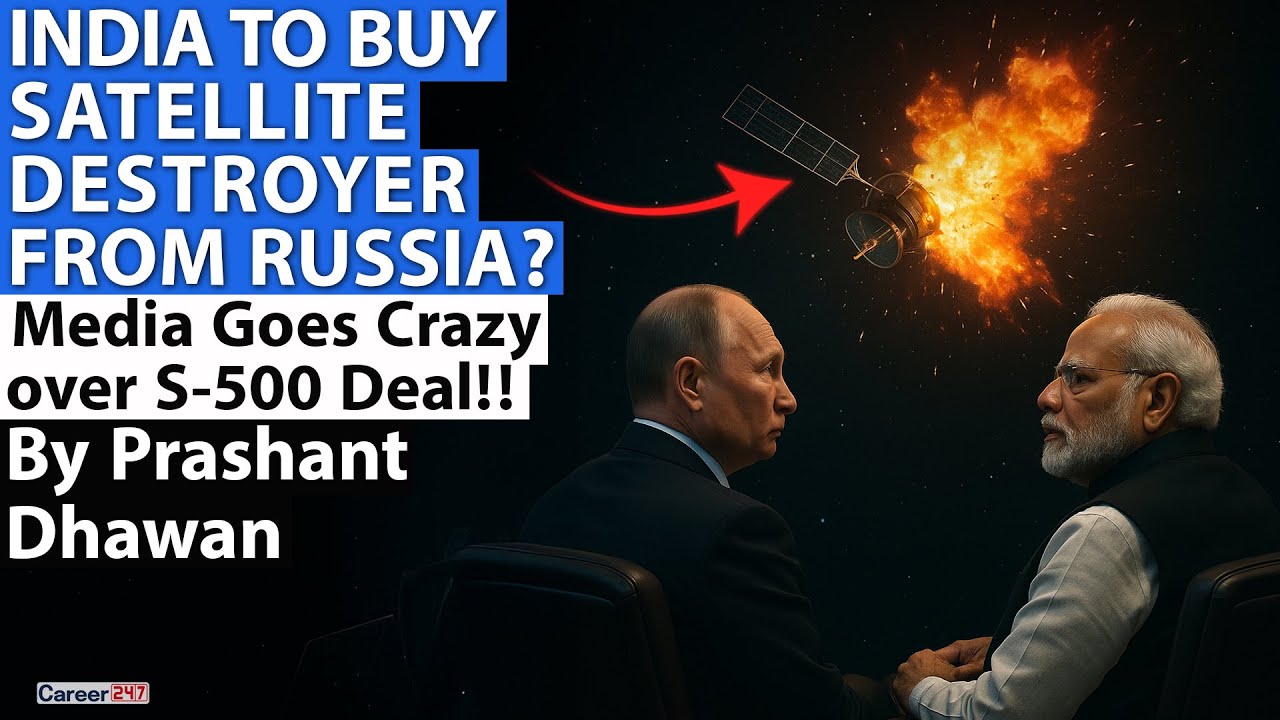
The video discusses Vladimir Putin's upcoming visit to India and its potential implications, especially concerning defense deals like the S-500 missile system and the signing of the Reciprocal Exchange of Logistics Agreement (RELOS). It also touches upon India's continued oil purchases from Russia despite international pressure and introduces a data science and machine learning course by Career247 in collaboration with PWC.
- Putin's visit to India is significant amidst international scrutiny and arrest warrants.
- India's potential acquisition of the S-500 missile system and the RELOS agreement with Russia could have geopolitical ramifications.
- Despite pressure, India continues to purchase oil from Russia.
- Career247 and PWC are offering a data science and machine learning course to skill Indian youth.
Putin's Visit to India: A Geopolitical Analysis
The speaker talks about how Vladimir Putin is scheduled to visit India on December 4th and 5th, even though he faces arrest warrants in several countries. This visit is particularly noteworthy because India is already facing tariffs for purchasing oil from Russia. The speaker anticipates reactions from the US and Europe, especially given reports of potential arms deals, including the S-500 missile defense system. Western media is already claiming that India is planning to discuss arms deals with Russia during Putin's visit.
S-500 Missile System: Capabilities and Implications
The video discusses the capabilities of the S-500 missile defense system, with Russian sources claiming it can destroy satellites, while American defense experts believe its primary strength lies in shooting down fighter jets and missiles within a 600 km range. The system's ability to target satellites in low Earth orbit is debated, with the conclusion that it can only target satellites at very low altitudes (around 200 km). The speaker suggests that even the perception of the S-500's capabilities could give India an edge in potential conflicts, such as with Pakistan, which has about four to five significant satellites.
India-Russia Trade and International Relations
Putin aims to increase India-Russia trade to $100 billion by 2030. Despite US threats, India continues to purchase Russian oil, a fact closely watched by Ukraine. The speaker highlights that India is the only country in 2025 where Putin is making a direct bilateral visit, underscoring the importance of this relationship from a Russian perspective. The speaker is personally waiting for India and Russia to sign the Military Logistics Pact.
Reciprocal Exchange of Logistics Agreement (RELOS) and its Significance
The speaker explains the significance of the Reciprocal Exchange of Logistics Agreement (RELOS) between India and Russia. Similar to agreements India has with the US (LEMOA), France, Singapore, South Korea, Australia, Japan, and the UK, RELOS would allow Russian ships increased access to the Indian Ocean. This agreement would facilitate quicker support from Russia in case of disasters. The Russian parliament has already approved the pact, and the speaker anticipates reactions from the US, as this is India's first such agreement with a non-Western-aligned country. The delay in signing this pact may have been due to Western pressure, but India seems to be moving past that.
Future Implications and a Question for the Audience
The speaker anticipates statements regarding the India-Russia relationship and wonders about potential reactions from figures like Trump, which could further strain India-US relations. The speaker then poses a question to the audience: which country will India jointly manufacture Hammer air-to-ground weapons with? The options are Russia, France, USA, or Israel, and viewers are encouraged to answer in the comments.
Data Science and Machine Learning Course by Career247 and PWC
The speaker introduces a data science and machine learning course offered by Career247 in collaboration with PWC, aimed at skilling Indian youth for the growing job market in data science, AI, and machine learning. The course is designed to be "future-ready," providing certifications from NASSCOM, PWC, and Career247, and guiding students on career paths, resume building, and approaching companies. Graduates can start as junior data scientists with salaries ranging from ₹4 to ₹7 lakh per year, potentially increasing to ₹7 to ₹9 lakh with experience. The speaker encourages viewers to join the course by using the code PD10 for a discounted price.

