
Brief Summary
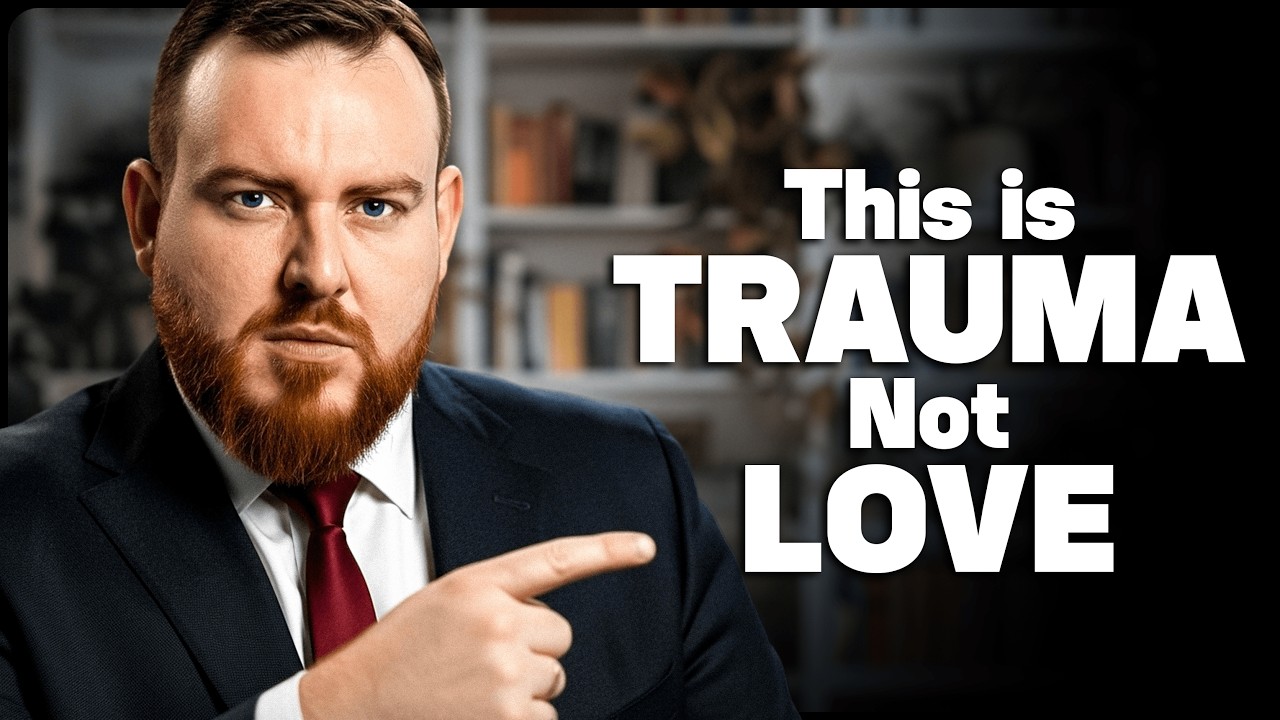
This video by Adam Lane Smith talks about trauma bonding, differentiating it from genuine love, and provides a roadmap for breaking free from such toxic cycles. It highlights the neurochemical processes involved, the role of childhood wounds, and actionable steps for healing and rewiring the brain for secure love. The video also touches upon the intergenerational aspect of trauma bonds and the importance of secure parenting.
- Trauma bonds are chemical addictions, not love, hijacking the nervous system.
- Childhood wounds make individuals vulnerable to trauma bonding.
- Breaking free requires rewiring the nervous system through daily practices and building a secure support network.
- Contempt is a key indicator of a toxic relationship.
- Secure parenting is crucial to prevent passing trauma bonds to children.
Is It Love or Trauma Bonding?
The video begins by highlighting the confusion between intense chemistry and trauma bonding. People often mistake the hyperfocus on their partner's moods and the feeling of safety derived from their approval as love. However, this is actually a hijacked nervous system driven by cortisol and oxytocin, biochemically programming one to cater to the other's emotions. This isn't normal relationship stress but a trauma bond, and the video aims to clarify the difference and provide a path to freedom.
How Trauma Bonds Hijack Your Brain
Adam explains that trauma bonding isn't just an event but a neurochemical program. It starts with a problem introduced by the partner, leading to a cortisol spike. Initially, there might have been love bombing with high oxytocin levels, creating a gambling addiction-like intermittent reinforcement. The subsequent problem causes dopamine and oxytocin levels to plunge, leading to withdrawal symptoms and panic.
The Chemistry Trap: Why It Feels So Good
The reward mechanism in trauma bonds involves fixing the problem and receiving love bombing and approval, causing a massive oxytocin and dopamine surge. This programs the nervous system into a cycle where the partner's comfort level becomes the indicator of safety. The person in the trauma bond constantly caters to the other's anger and only feels safe when they're happy, leading to biochemical conditioning and dependence on their approval.
Programming the Brain: The Cortisol-Oxytocin Cycle
The video elaborates on the reward mechanism within trauma bonds. When the individual in the bond fixes a problem, they are flooded with love and approval, leading to a surge of oxytocin and dopamine. This programs the nervous system to associate safety with pleasing the other person. This cycle of traumatizing and nurturing hijacks the nervous system, making the individual biochemically dependent on their partner's approval for feeling safe.
Signs You're In a Trauma Bond
Adam highlights that while good primal chemistry is fine, intense chemistry where one feels they "can't live without" the other is a red flag. Such intensity, especially early on, indicates nervous system dysregulation and a trauma response, not secure attachment. Securely attached people don't feel like they can't live without someone.
Trauma Bonding vs. Secure Love
The video contrasts trauma bonding with secure love, focusing on the hypervigilance pattern in trauma bonds. This involves constant monitoring of the partner's moods and a safety calculation based on their emotions. Secure love, on the other hand, involves calmness, regulation, and steadiness. Securely attached individuals don't experience massive cortisol dumps based on someone else's happiness. Safety comes from within, not from monitoring someone else's mood. Physical markers of trauma bonding include anxiety, panic symptoms, and racing thoughts, while secure love markers include a calm nervous system and the ability to self-regulate.
Why You're Vulnerable: Childhood Wounds
The vulnerability to trauma bonding often stems from childhood wounds, where a hot and cold parent created a pattern of love followed by hurt. This forces the child to comply with their moods and seek their approval. The nervous system is programmed to believe that love requires constant performance and catering to volatile moods. Personality disorders in parents can also contribute to trauma bonding in children, making them vulnerable to exploitation in future relationships.
Repeating Patterns: Why You Choose Similar Partners
People often choose similar partners because their nervous system recognizes the familiar threat and interprets it as chemistry. Secure partners may feel boring because they don't trigger the same biochemical patterns. The individual is trying to transform their original wound, but the familiarity makes it feel safe, even if painful.
How Trauma Bonds Pass Through Generations
The video emphasizes that trauma bonds aren't just relationship issues but neurochemical realities that can be passed down to children. The way parents bond and live teaches their children how to bond and live. Breaking the generational cycle requires secure parenting to raise children who grow up secure and not trauma bonded.
Breaking Free: Daily Practices for Healing
Breaking free from trauma bonds requires a daily practice of rewiring the nervous system. This involves connecting with secure, calm people who provide love and care without volatility. Oxytocin, like medication, helps suppress cortisol and increase resilience to stress. Building a support network of friends, family, and support groups is crucial to challenge the view that love comes only from one person. Setting healthy boundaries also proves to the nervous system that one can protect themselves.
The #1 Sign Your Relationship is Toxic
The number one sign of a toxic relationship is contempt, where the partner looks down on you, dehumanizes you, and treats your needs with mockery. Contempt means they see you as beneath them, denying your dignity. While conflict is normal, contempt indicates a fundamental lack of respect and makes building a secure attachment impossible.
Rewiring for Secure Love
Transitioning from trauma bonding to secure love requires breaking emotional isolation and getting healthy connections with others. This rewrites the pattern of what one should expect for treatment. Secure love feels different, growing into a steady flame of passion and love over time. It begins with a calm baseline, safety from within, and the ability to express needs without fear.
Choosing Calm Over Intensity: Your Next Step
The video concludes by emphasizing that breaking free involves rewiring the nervous system in good relationships with family, friends, and a good partner to recognize what secure love actually feels like. Awareness is the first step, and the power to rewire the nervous system is in one's hands. The choice is between staying in the intensity and calling it love or choosing the calm and calling it healing.

