
Brief Summary
The video explains the principles of Stoicism, detailing its history, misconceptions, and applications in the modern world. It emphasizes personal resilience and mental control, highlighting key exercises and virtues that drive Stoic thought. It also connects Stoicism with contemporary psychology practices, showcasing how this ancient philosophy remains relevant.
- Stoicism originated from Zeno’s experiences in 300 BC and teaches acceptance of uncontrollable events.
- Misunderstandings about Stoicism often paint it as a lack of emotion, but it actually teaches a justified response to life's challenges.
- Key Stoic exercises, like "voluntary discomfort," help build mental toughness and gratitude for what we have.
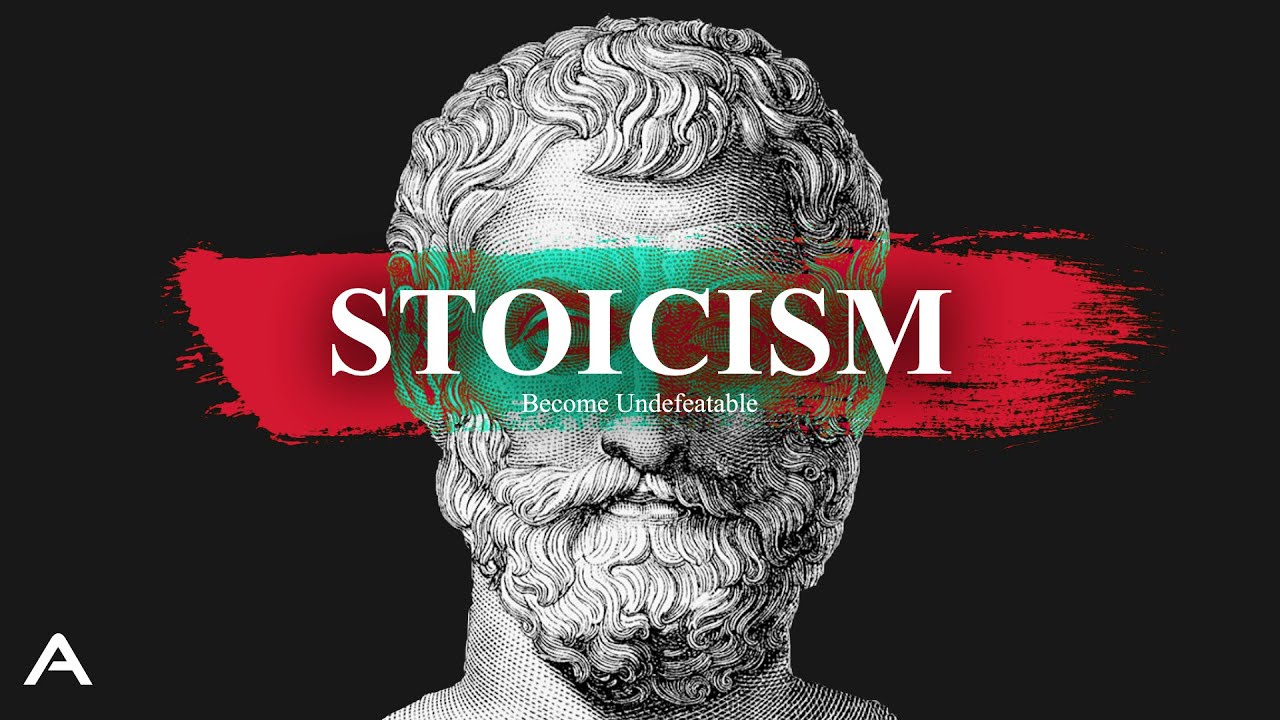
Stoicism: Become Undefeatable
The video starts with the story of Zeno, a wealthy trader who lost everything in a shipwreck. This event inspired him to create Stoicism, which focuses on how to react to uncontrollable events. Zeno's philosophy revolves around acceptance and maintaining composure in adversity. Stoicism is described as a transformative mindset leading to lasting change in perspective.
Modern misconceptions about Stoicism
The speaker discusses common misconceptions about Stoicism, such as viewing Stoics as unemotional or unbreakable. In reality, Stoicism offers a deep framework for understanding the world and coping with emotional extremes. It encourages the processing of negative experiences to derive unique perspectives, showing how it can help anyone navigate their emotional landscape.
Why people adopt Stoicism as a way of life
Stoicism is appealing in today's unpredictable world, where people often struggle with unexpected events. The video explains that while we may experience sadness from bad occurrences, it is often the unexpected nature of these events that leads to disappointment. Stoicism advises embracing the possibility of negative outcomes to foster resilience and prepare mentally for life's challenges.
“Voluntary discomfort” exercise to build mental resilience
One practical Stoic exercise is "voluntary discomfort," which encourages individuals to experience mild hardships to build mental fortitude. Examples include sleeping on the floor, taking cold showers, or eating simply for a few days. This exercise helps individuals appreciate comforts and prepares them for future adversity, reinforcing the idea that mindset is crucial for survival and growth.
Why external sources of happiness always fail
The video critiques the belief that happiness comes from external factors, such as wealth or success. It explains that relying on these sources often leads to disappointment due to their inherent instability. Instead, Stoicism encourages individuals to seek happiness in their intrinsic values and actions. Focusing on self-improvement and personal satisfaction is highlighted as a more sustainable path to fulfillment.
The dichotomy of control: Stoicism's most important principle
The dichotomy of control, a key Stoic principle, teaches that individuals should differentiate between what they can and cannot control. By focusing on reactions and choices, rather than external outcomes, one can cultivate resilience. The video illustrates this through examples, emphasizing the importance of self-assessment and finding value in effort, regardless of external validation or success metrics.
The four main virtues of Stoicism (wisdom, courage, temperance, justice)
Stoicism is built on four main virtues:
- Wisdom: Understanding the distinction between internal and external factors and choosing appropriate reactions.
- Courage: The ability to persist and endure through difficulties.
- Temperance: Practicing moderation and valuing essential needs over excess.
- Justice: The belief in doing good for others and advocating for harmony among all.
The video gives a historical example of Nelson Mandela, who embodied these virtues while advocating reconciliation after apartheid.
Modern applications of Stoicism in psychology (REBT and Logotherapy)
The video concludes by linking Stoicism with modern psychological practices like Rational Emotive Behavioral Therapy (REBT) and Logotherapy. REBT helps people challenge negative thoughts, while Logotherapy emphasizes finding meaning and purpose in life. Both approaches resonate with Stoic teachings, aiming to enhance self-worth by focusing on what we can control and redirecting our understanding of happiness and fulfillment.

