
Brief Summary
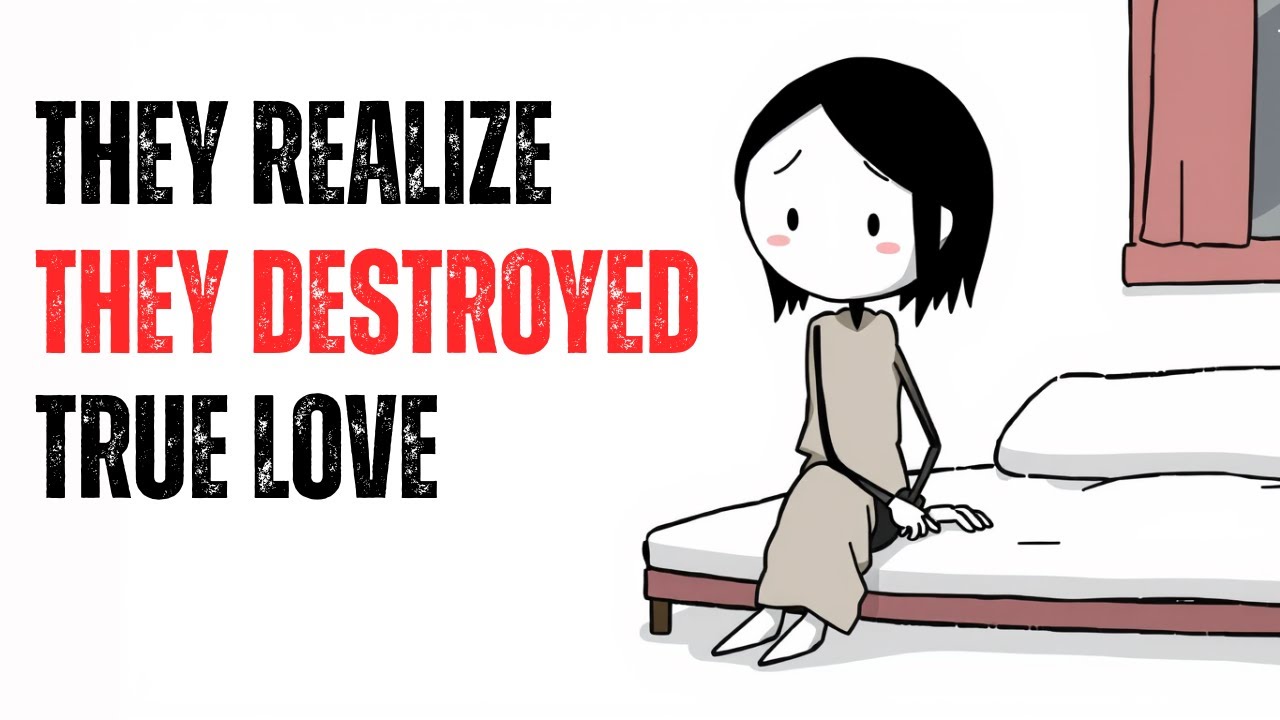
This video talks about avoidant attachment style in relationships and how people with this style deal with love, fear, and control. It highlights the illusion of control they seek, the emotional shutdown they experience, and the eventual realization of what they've lost when real love moves on. The video also touches upon the healing process for both the avoidant and the person who loved them, emphasizing that the breaking point for the avoidant is an awakening, not a punishment.
- Avoidants crave control due to emotional insecurity, building walls to avoid vulnerability.
- They experience an "emotional mirror moment" when they realize the consequences of their actions.
- Emotional shutdown is a survival mechanism for avoidants, leading to delayed emotional reactions.
- The breaking point for avoidants is an awakening, realizing the cost of their need for control.
- Healing involves self-awareness and understanding that vulnerability is courage.
The Illusion of Control
The video starts by saying that people who run from love do so out of fear, not lack of care. Avoidants try to control their emotions because they feel emotionally unsafe, living by the rule of not depending on anyone. They think needing love or showing emotion is a sign of weakness, so they create distance, believing it gives them power. However, this control is an illusion that breaks when they lose someone who genuinely loved them. Initially, they make excuses to avoid guilt, but real love leaves a void that can't be filled, making the silence echo.
The Emotional Mirror Moment
Avoidants often grow up in environments where emotions are dismissed, leading them to seek comfort in logic and independence. The moment they think they are in control is actually when they've lost it, because emotional control is just avoidance. This avoidance leads to a moment where they see the reflection of their actions, noticing that those who cared have stopped trying. The silence they used as a weapon becomes their punishment, leading to a realization that they didn't control love, they broke it.
The Delayed Emotional Reaction
Avoidant people don't immediately feel the pain of a breakup; they experience emotional shutdown, which appears as calmness but is actually numbness. This is a defense mechanism against feeling vulnerable. Eventually, small things trigger memories, and the silence becomes unbearable, leading to a delayed emotional reaction. They start to remember the good things they ignored and realize what they destroyed, turning numbness into real pain.
Emotional Incongruence and Reversal Empathy
Avoidants experience emotional incongruence, where their emotions don't match the story they tell themselves, creating internal conflict. By the time they're ready to reach out, the person they pushed away has healed. They then experience reversal empathy, feeling what they once made the other person feel: ignored and disconnected. The distance they created isolates them, leading to genuine regret as they realize they lost a genuine connection.
The Breaking Point and Awakening
The human heart has a warning system that eventually demands to be heard, leading to an overwhelming wave of emotions for the avoidant. They realize that emotional avoidance only delays feelings until they become too heavy to carry. The breaking point is when they see that love wasn't the enemy, but their fear of losing control was. Their delayed emotions don't erase the pain they caused, and healing comes faster for the one who was open and present.
The Mirror Stage of Avoidance
The mirror stage is when everything they've been running from reflects back at them, and they can no longer make excuses. They see the patience and understanding they were shown and realize they were projecting their own issues. This self-awareness is the first and most painful step, as they realize their protective behaviors destroyed what they needed most. They understand that love only wanted presence, but they were too busy protecting their pride.
The Avoidant Awakening
There's a moment when the silence they created turns against them, and they realize the person they pushed away isn't waiting anymore. This is the awakening, where the illusion of distance meaning safety breaks apart. They realize they created the loneliness they feared most and feel how deeply they loved, but too late. They understand that relationships need care and attention, and by withholding those, they starved the bond.
Reflection and Realization
Deep reflection follows, with the avoidant questioning their actions and tracing the answers back to childhood. They realize that fear was imprisoning them, disguised as independence. The freedom they chased was about being unafraid, which requires staying, feeling, and being seen. By the time they realize love was never the threat, the person who could have taught them that lesson is gone. Destroying real love means losing the ability to give and receive it, reshaping their understanding of safety.
The Purpose of Love and Healing
The video concludes by saying that the purpose of loving an avoidant isn't to save them, but to show them what safety feels like. The rest of their healing is their own journey. The breaking point is an awakening, tearing down the illusion that you can outrun love or control connection. Love teaches a lesson and moves on, leaving silence as the greatest teacher.

