
Brief Summary
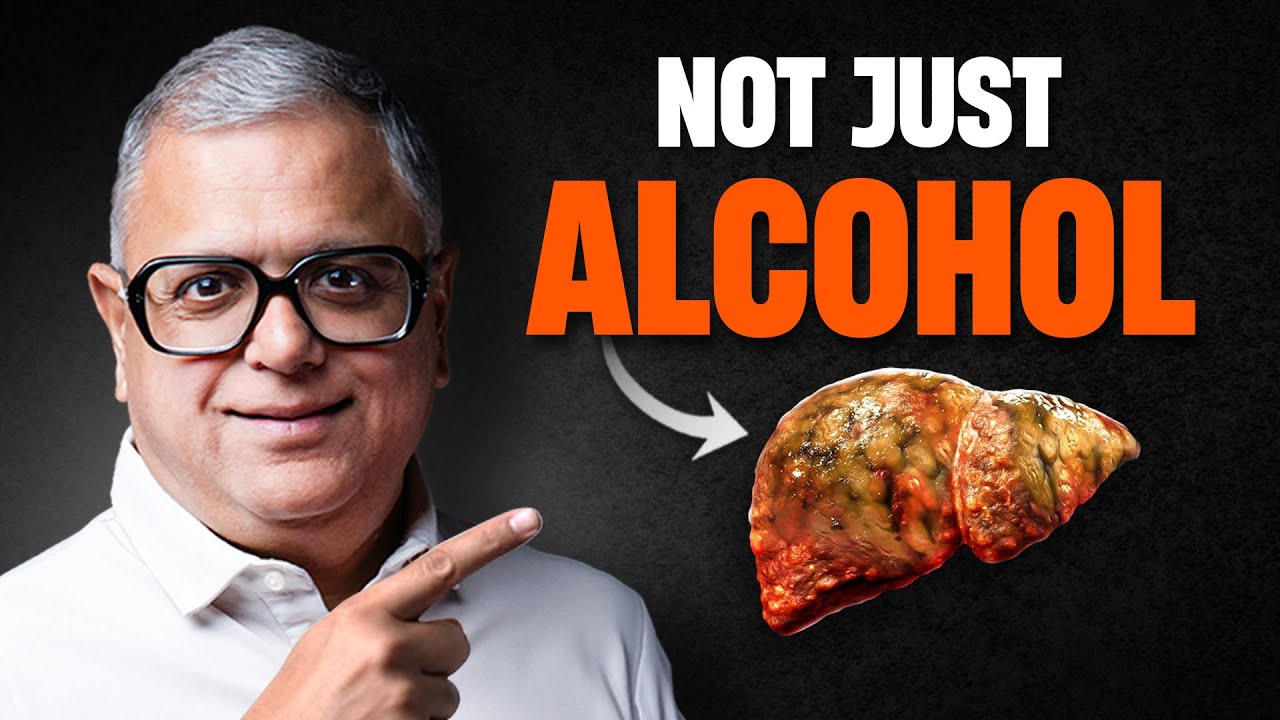
This video talks about the importance of liver health, highlighting that the liver is a unique and vital organ with no external support options like other organs. It discusses the liver's functions, the stages of liver disease, symptoms to watch out for, and the major causes of liver problems. The video stresses that liver issues are often reversible if addressed early with lifestyle changes, particularly regarding sugar and alcohol consumption, and by preventing hepatitis.
- Liver is a unique organ with no external support, unlike the heart, lungs, or kidneys.
- Liver performs over 300 functions, including metabolism, blood clotting, detoxification, and cholesterol transport.
- Liver disease progresses through stages: liver fat, hepatitis, fibrosis, and cirrhosis.
- Main causes of liver problems are non-alcoholic fatty liver disease (NAFLD), alcohol, and hepatitis (A, B, C).
- Prevention involves reducing sugar and alcohol intake, practicing safe sex, and being cautious about food sources.
Introduction: Why Your Liver Matters
The video starts by emphasising that liver health is critical because, unlike other organs, if your liver fails, the only options are a transplant or death. The liver, weighing around 1.5 kg and located under the right rib cage, is the largest internal organ and performs numerous vital functions. The speaker calls the liver an "unsung hero" and a "marvel" because it handles over 300 functions in the body.
The Liver's Multifaceted Roles
The liver plays a crucial role in metabolism, processing carbohydrates, fats, proteins, sugars, and alcohol. It's also essential for blood clotting, ensuring that bleeding stops effectively. Additionally, the liver is vital for detoxification, processing food, medications, supplements, and environmental toxins. It produces bile acids for digestion and manages cholesterol transport through lipoproteins like VLDL, LDL, and HDL.
Stages of Liver Disease
Most people start with a healthy liver, but excessive food intake leads to fat accumulation, resulting in liver fat. This can progress to hepatitis, which is inflammation of the liver. If left unchecked, it can lead to liver fibrosis, where scars develop on the liver. The final stage is liver cirrhosis, which can potentially be reversed if addressed promptly, but otherwise, a transplant becomes necessary.
Recognising Liver Problems: Symptoms and Tests
Symptoms of liver problems include yellowish skin (jaundice), constant stomach pain or swelling, swelling in legs or ankles, itchy skin, dark urine, pale stool, constant tiredness, nausea, vomiting, loss of appetite, and easy bruising. If you experience any of these symptoms, it's advisable to get a liver function test done. Early detection allows for potential reversal of the condition.
Top Causes of Liver Problems
The primary causes of liver issues are non-alcoholic fatty liver disease (NAFLD), alcohol consumption, and inflammation (hepatitis). NAFLD has become increasingly common, even among non-alcoholics and children, since the 1980s. Alcoholic liver disease is directly related to excessive alcohol intake. Hepatitis, or liver inflammation, can be caused by viruses, chemicals, sex, drugs, childbirth, alcohol, or genetic disorders, and can be acute (short-term) or chronic (long-term).
Preventing Liver Disease: Practical Steps
Preventing liver disease involves several key steps. For NAFLD, reduce sugar intake, especially fructose, which quickly converts to liver fat. Limit or ideally eliminate alcohol consumption to protect the liver. For hepatitis C, ensure new needles are used during blood transfusions. For hepatitis B, practice safe sex using condoms. For hepatitis A, be cautious about food sources, especially street food and restaurants with questionable hygiene.
Conclusion: Take Care of Your Liver
The video concludes by reiterating the liver's uniqueness and importance. Since there's no external support for liver failure, prevention and early intervention are crucial. The liver is versatile and can regenerate if given the chance through lifestyle changes. The speaker encourages viewers to prioritise their liver health for overall well-being.

