
Brief Summary
This video provides a comprehensive guide to creating a low-maintenance, four-season container garden using 11 perennial plants. It emphasizes the advantages of container gardening over in-ground gardening, such as better drainage, controlled soil composition, and mobility. The video also provides specific tips for selecting the right plants, soil mixes, and pot sizes, as well as essential maintenance practices to ensure the long-term success of your container garden.
- Container gardening is easier than in-ground gardening.
- Perennial plants survive winter outside in pots.
- Container provides better drainage and control soil composition.
Introduction to Container Gardening
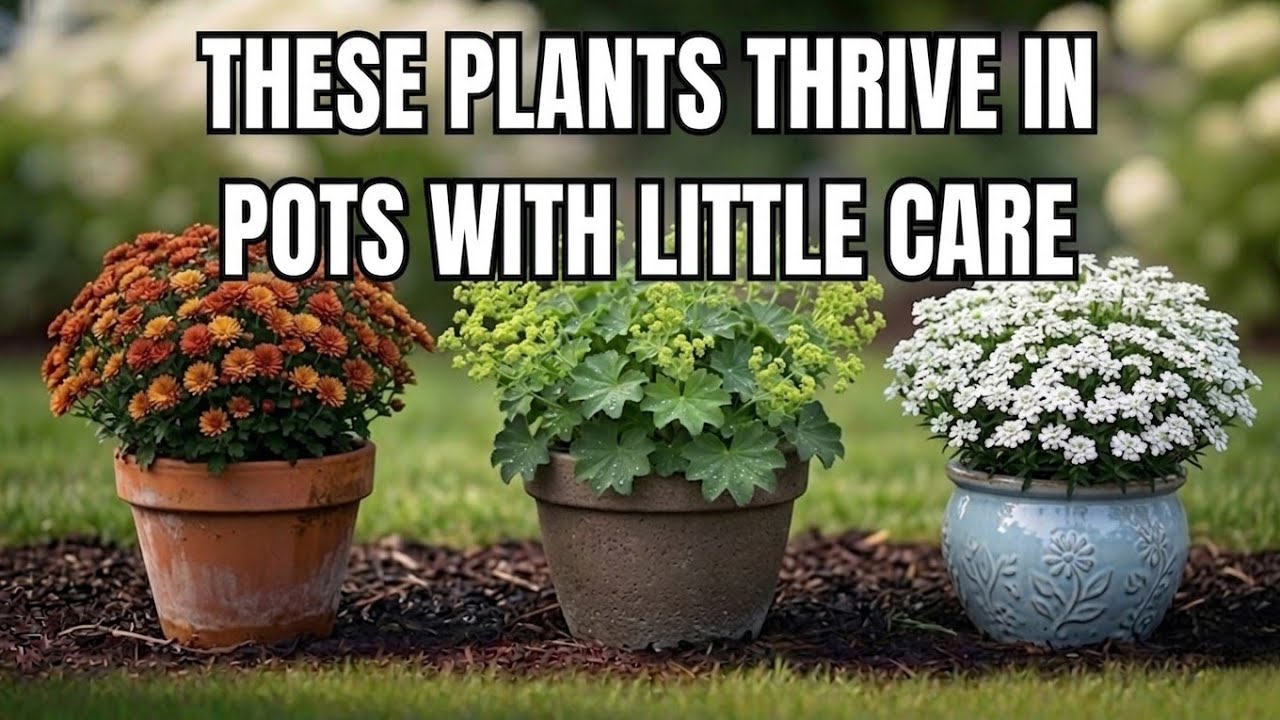
The video introduces the idea that anyone can have a garden, regardless of space or experience, by using container gardening with perennial plants. These plants return every year, survive winter in pots, and tolerate neglect, making container gardening easier and more rewarding than traditional in-ground gardening. Container gardening offers better results and allows for easy redesigns.
Lavender (Lavandula angustifolia)
Lavender is a popular and reliable plant known for its silvery-green foliage, purple-blue flower spikes, and fragrance. It thrives in USDA zones 5-9, with cultivars like Munstead and Hidcote being cold-hardy. Lavender prefers poor, well-drained soil, making containers ideal. Use a mix of potting soil and coarse sand, plant in a terracotta pot with full sun, and water sparingly. Lavender cuttings root easily in water, allowing for free propagation.
Hens and Chicks (Sempervivum)
Sempervivum, or hens and chicks, are extremely resilient succulents, hardy in USDA zones 3-8. They store water in their leaves, allowing them to survive long droughts. Each "hen" produces "chicks" that can be replanted. Plant in a shallow container with cactus mix, provide full sun, and water sparingly. They benefit from winter cold exposure.
Sedum Angelina (Sedum rupestre Angelina)
Sedum Angelina is a cold-hardy perennial spiller, ideal for softening container edges with its bright chartreuse foliage. Hardy in USDA Zones 3-9, the plant transitions to orange and red in the fall, providing year-round color. Cuttings root easily, allowing for easy propagation. Plant in a sunny spot with well-draining soil and minimal watering.
Candytuft (Iberis sempervirens)
Candytuft features year-round evergreen foliage and abundant white flowers in spring. Hardy in USDA zones 3-9, it thrives in most of the continental United States. The honey-scented flowers attract pollinators. As a subshrub, it maintains its shape in containers year-round. Plant in well-draining soil, provide full sun, and shear back after blooming to maintain a compact shape.
Dianthus Fire Witch (Dianthus gratianopolitanus Fire Witch)
Dianthus Fire Witch offers a sweet clove fragrance and blue-gray evergreen foliage. Hardy in USDA zones 3-9, it was named perennial plant of the year in 2006. The foliage remains attractive year-round, even in winter. Plant in a sunny container with well-draining mix and add lime to the soil. Water sparingly from the bottom to prevent crown rot.
Hardy Garden Mums (Chrysanthemum morifolium)
Hardy garden mums provide late-season color with dense blooms in various colors. Reliably perennial in USDA zones 5-9, they require proper selection and care. Purchase hardy mums in spring from a nursery and plant in May. Pinch back stems in late May and June to promote a denser, more compact plant. Plant in a large container with average potting mix and water consistently.
Lady's Mantle (Alchemilla mollis)
Lady's Mantle features unique, hydrophobic leaves that collect water droplets, creating a visually appealing effect. Hardy in USDA zones 3-7, it prefers cooler conditions and part shade. Cut back after blooming to encourage fresh growth. It self-seeds gently, allowing for easy propagation.
Astilbe (Astilbe arendsii hybrids)
Astilbe is ideal for shady areas, featuring tall, feathery plumes in various colors. Hardy in USDA zones 3-8, it requires consistent moisture. Use a glazed ceramic container, position in part shade, and water deeply twice a week. Divide every four to five years to propagate new plants.
Brunnera Jack Frost (Brunnera macrophylla Jack Frost)
Brunnera Jack Frost is grown for its dramatic silver-frosted foliage, which brightens shaded areas. Hardy in USDA zones 3-8, it was named perennial plant of the year in 2012. Plant in part to full shade with moisture-retentive soil. Water consistently in the first season, then tolerates moderate drought.
Carex Evergold (Carex oshimensis Evergold)
Carex Evergold is an evergreen sedge with creamy yellow and green striped foliage. Hardy in USDA zones 5-9, it maintains its color and shape throughout the year. Use as a spilling element in containers, pairing it with plants like Brunnera Jack Frost. Plant in part shade and water through establishment.
Bergenia (Bergenia cordifolia)
Bergenia, also known as pig squeak, features large, leathery leaves that turn ruby red in the fall and winter. Hardy in USDA zones 3-8, it offers year-round interest. Plant in part shade with moisture-retentive soil. Divide every 5-6 years to refresh the crown.
Advantages of Container Gardening and Key Rules
Container gardening offers advantages over in-ground gardening, including better drainage, controlled soil composition, and mobility. Key rules for successful container gardening include using appropriately sized pots, using real container mix, and protecting pots from deep freezes by moving or insulating them.

