
Brief Summary
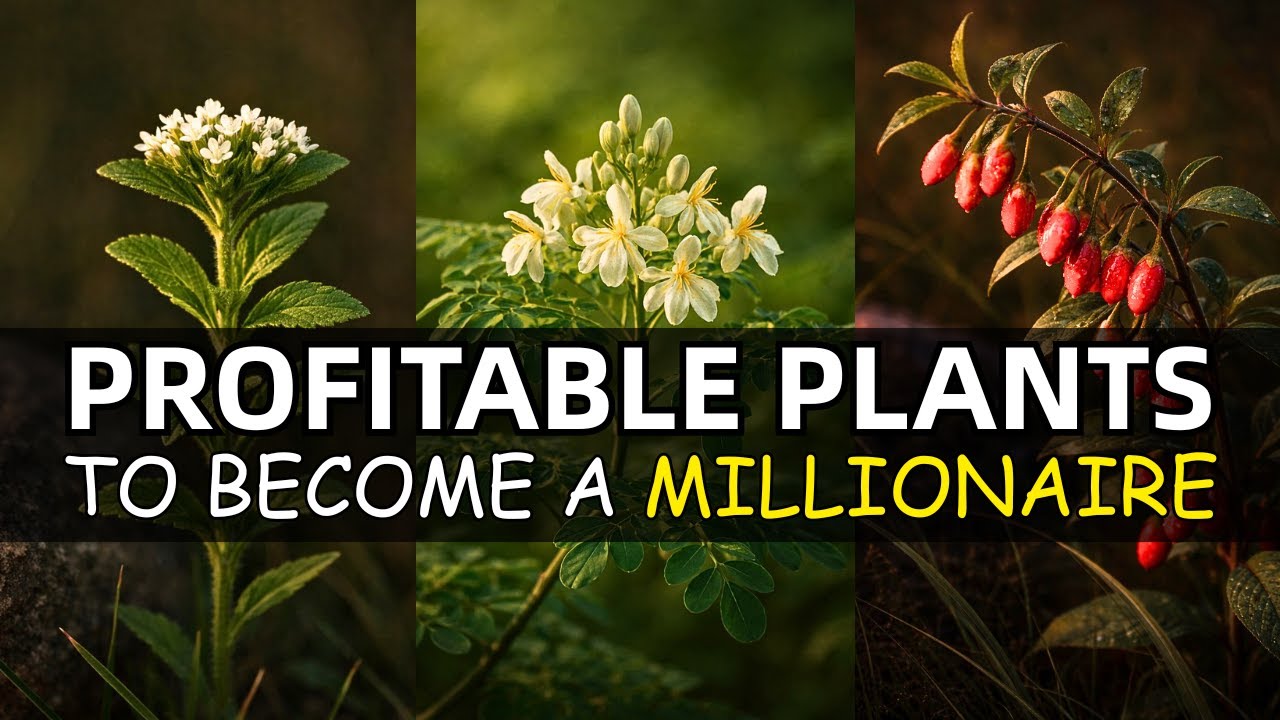
This video presents 20 profitable specialty plants that offer significant income potential for farmers and homesteaders. These plants, often overlooked by mainstream agriculture, cater to niche markets with high demand and limited supply, commanding premium prices. The list includes herbs, adaptogens, spices, and other unique crops that can be grown on a small scale with relatively low startup costs, offering a viable path to wealth building through agriculture.
- Moringa and Duckweed are highlighted for their high nutrient content and fast growth.
- Lovage, Culantro, and Shiso are presented as herbs in demand by chefs and ethnic cuisine enthusiasts.
- Yaoon Holly, Mexican Tarragon, and Lemon Balm are featured for their unique properties and market potential in tea and wellness industries.
Moringa: The Miracle Tree
Moringa, also known as the miracle tree, produces leaves that sell for $20 to $40 per pound dried, driven by exploding demand in health and wellness circles. Moringa Oleifera is nutrient-dense, packed with vitamins, minerals, and protein, making it highly sought after by the supplement industry. The tree grows rapidly, up to 15 feet in the first year, allows for multiple harvests per season, requires minimal care once established, and can be a renewable cash crop.
Duckweed: The Pond Scum Studied by NASA
Duckweed, often dismissed as pond scum, sells for $20 to $60 per pound dried and is a remarkable plant with high protein content. Wolfia and Lemna species are the fastest-growing plants, doubling their biomass in 24 to 48 hours, and contain 40-45% protein by dry weight, surpassing soybeans. NASA researched duckweed as a potential food source for long space missions. It has diverse and growing markets in the supplement, animal feed, health food, and aquaculture industries.
Lovage: The Chef's Secret Ingredient
Lovage, a celery-like herb, sells for $15 to $30 per pound and is highly valued by chefs for its intense, complex flavor. Leisticum officol has a unique flavor profile, described as a mix of celery, meats, and parsley, making it ideal for soups, stocks, salads, and garnishes in high-end restaurants. It is a perennial herb that requires minimal maintenance once established, with leaves that can be harvested multiple times per season. The scarcity of lovage in mainstream markets makes it a profitable crop for small-scale growers.
Culantro: Not Cilantro, But Worth More
Culantro (Eryngium foetidum) sells for $15 to $30 per pound and is in high demand in Latin American and Asian cuisine. It has a stronger, more intense flavor than cilantro and is essential in dishes like sofrito, recaito, Thai curries, and Vietnamese pho. Culantro is relatively rare in regular grocery stores, creating a business opportunity for growers who can supply specific cultural communities. It is easy to grow in warm climates or greenhouses, and the underdeveloped supply chain allows for premium pricing.
Shiso: The Japanese Herb Going Mainstream
Shiso (Perilla frutescens) is an herb that sells for $20 to $50 per pound, with high demand from restaurants. Available in green and purple varieties, it is essential in Japanese and Korean cooking, used in sushi, wraps, pickling, and as a garnish. The flavor is complex, minty, and basil-like, making it irreplaceable. With the increasing popularity of Japanese and Korean restaurants, the demand for shiso is growing, presenting an opportunity for local suppliers.
Epazote: The Mexican Herb Nobody Grows
Epazote (Dysphania ambrosioides) sells for $12 to $25 per pound and is considered essential by those familiar with it, but it is nearly impossible to find fresh outside of ethnic markets. This pungent herb is fundamental in Mexican cooking, especially with beans, quesadillas, and traditional soups. It grows easily and is not widely cultivated commercially for local markets, creating a straightforward business opportunity.
Purslane: The Weed Worth More Than Spinach
Purslane (Portulaca oleracea) is a weed that sells for $15 to $30 per pound and is more nutritious than many common vegetables. It contains more omega-3 fatty acids than spinach and is packed with vitamins and minerals, offering a slightly lemony, crisp texture. Purslane grows easily with minimal care, and its nutritional profile justifies premium pricing as more health-conscious consumers and upscale restaurants discover it.
Yaupon Holly: America's Only Native Caffeine Source
Yaupon Holly (Ilex vomitoria) is the only native North American plant containing caffeine, with dried leaves selling for $30 to $70 per pound. It produces a caffeinated tea that is smooth, flavorful, and doesn't cause jitters. While it grows wild across the southeastern United States, commercial cultivation is still in its infancy, presenting a massive opportunity for early movers. It is a perennial shrub that requires minimal maintenance once established, and its leaves can be harvested multiple times per year.
Mexican Tarragon: The Herb That Grows Where French Tarragon Won't
Mexican Tarragon (Tagetes lucida) fills a crucial gap in the herb market, thriving in heat where French tarragon struggles, and provides a similar anise-like flavor. It grows vigorously in warm climates and is being discovered by chefs and home cooks in southern regions as a reliable substitute. The opportunity lies in supplying Mexican tarragon to those who want that flavor profile in climates unsuitable for French tarragon.
Lemon Balm: The Stress Relief Herb Everyone Wants
Lemon Balm (Melissa officinalis) sells for $20 to $40 per pound dried, driven by huge demand for stress relief and sleep support. This lemony herb is used in teas, tinctures, supplements, and aromatherapy, with research supporting its traditional use for anxiety and sleep issues. It is easy to grow, spreads vigorously once established, can be grown indoors or outdoors, and its leaves can be harvested multiple times per season.
Ashwagandha: The Supplement Industry's Darling
Ashwagandha (Withania somnifera) is a supplement with dried root selling for $25 to $60 per pound. This adaptogenic herb is used for stress relief, energy, and overall wellness in Ayurvedic tradition, and modern research supports many of its traditional uses. Most ashwagandha is still imported from India, creating an opportunity for domestic growers to produce high-quality, organic ashwagandha root and capture market share.
Hyssop: The Forgotten Tea Herb Making a Comeback
Hyssop (Hyssopus officinalis) sells for $20 to $35 per pound and is used in herbal teas and essential oils. This aromatic herb has a long history in traditional medicine and biblical references, making it culturally significant to modern herbalists. It grows as a hearty perennial requiring minimal care, and the market includes traditional herbalists and modern tea companies seeking interesting, unusual flavors.
Tulsi: The Holy Basil Goldmine
Tulsi or Holy Basil (Ocimum sanctum) sells for $20 to $45 per pound dried, with massive demand from the wellness industry. This sacred herb in Hinduism has crossed over into mainstream wellness culture and is used for stress relief, immune support, and as a general tonic. It grows easily in warm climates or greenhouses, allows for multiple harvests per season, and its dried leaves command premium prices.
Catnip: Not Just for Cats
High-grade catnip (Nepeta cataria) sells for $30 to $60 per pound and is not just for cat toys. The pet industry is massive and willing to pay premium prices for quality catnip. Premium organic fresh catnip commands far higher prices than the dusty stuff in cheap toys. Catnip grows vigorously as a perennial, and you can target premium markets like natural pet stores and high-end pet boutiques.
Calendula: The Skincare Industry's Secret Weapon
Calendula (Calendula officinalis) is experiencing a renaissance in natural skincare, with dried flowers selling for $20 to $50 per pound. It is used in creams, salves, soaps, and oils, with demand from both commercial manufacturers and crafters. Calendula is easy to grow, produces abundantly, and the flowers are harvested and dried carefully to preserve color and potency.
Fenugreek: The Culinary and Medicinal Dual Threat
Fenugreek (Trigonella foenum-graecum) sells for $15 to $30 per pound and has dual market appeal in both culinary and medicinal applications. The seeds are essential in Indian, Middle Eastern, and Ethiopian cuisine, while the supplement industry uses fenugreek for various health applications. It is an annual that is relatively easy to grow, and the seeds store and ship easily.
Stevia: The Natural Sweetener Revolution
Stevia (Stevia rebaudiana) leaves sell for $20 to $40 per pound dried, driven by massive demand from the natural sweetener market. This plant is 200 to 300 times sweeter than sugar but contains zero calories. Stevia grows as a tender perennial in warm climates or as an annual elsewhere, and the leaves are harvested and dried.
Sichuan Pepper: The Exotic Spice Worth More Than Gold
Sichuan Pepper (Zanthoxylum species) sells for $40 to $80 per pound and creates a unique tingling, numbing sensation on the tongue essential in Sichuan cuisine. The plant can be grown in temperate climates, production is limited domestically, and demand from high-end restaurants, spice companies, and home cooks pursuing authentic Asian cooking is strong and growing.
Gotu Kola: The Cognitive Enhancement Cash Crop
Gotu Kola (Centella asiatica) sells for $30 to $60 per pound, serving both cognitive health and skincare markets. This herb has been used in Ayurvedic and traditional Chinese medicine for cognitive function and wound healing. It grows in moist, warm conditions, is a perennial that can be harvested multiple times, and the dried herb commands excellent prices.
The Path to Wealth Through Specialty Crops
The most profitable crops are specialty plants serving niche markets with passionate demand and limited supply. These plants represent a shift from competing in commodity markets to serving premium markets where customers willingly pay premium prices. Many can be grown on small plots, in greenhouses, or even indoors, without massive capital investment or competition with industrial agriculture.

