
Brief Summary
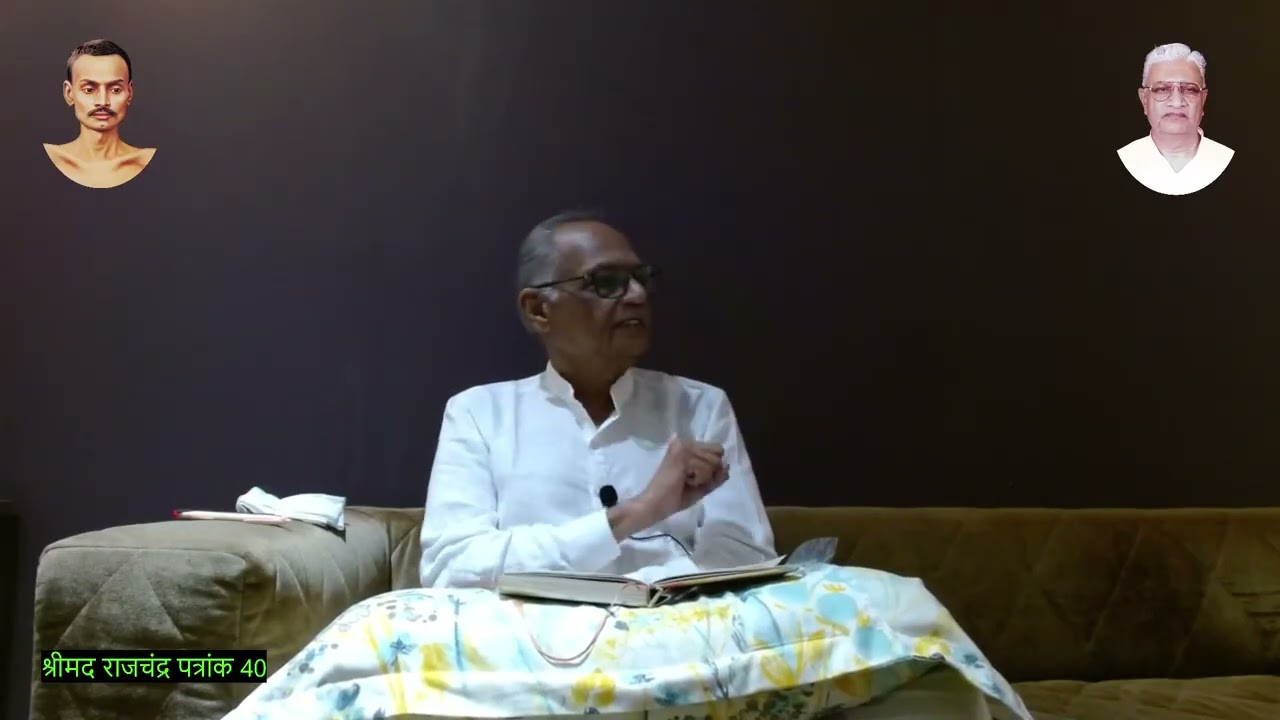
This video explores the qualities of a soul, particularly focusing on broad intellect (Vishal Buddhi), neutrality (Madhyastha), simplicity, and a focus on benefiting others. It discusses how these qualities, especially a broad intellect, are essential for understanding and accepting new knowledge, shedding old beliefs, and ultimately achieving spiritual progress. The video also touches on the concept of self-study, the nature of ignorance, and the importance of detachment in the pursuit of truth.
- Broad intellect and neutrality are key to spiritual growth.
- True knowledge involves internalizing teachings and discarding old understandings.
- Detachment and transformation are essential for spiritual progress.
Qualities of an Eligible Soul
The video begins by identifying four qualities of an eligible soul: broad intellect (Vishal Buddhi), neutrality (Madhyastha), simplicity, and a focus on benefiting others (Hitendra Atlaguno). These qualities are not merely words but are manifested through effort and development. The element of salvation and the soul element are also considered important. A yogi with a broad intellect can grasp, accept, and adopt new knowledge presented in teachings or satsangs.
The Nature of a Broad Intellect
A broad intellect is contrasted with an intellect caught in feelings like anger or attachment to the body. Insistence on the body and character leads to anger, pride, illusion, and greed, causing limited bondage. A mature and vast intellect is free from worry and restriction. Narrow-mindedness arises from insistence on one thing, hindering the development of knowledge. Those with a broad mind consider the past and future, not just present pleasures, understanding the eternal nature of the soul.
The Impact of Present Actions on Future Lives
The results of one's current life determine the next life. While one cannot change the present, one can influence the future by changing one's actions and feelings in the present. A broad intellect is required to accept this and think about the future to create a happy next life. After the next life starts, the soul cannot make any changes.
The Importance of Curiosity and Self-Reflection
The video emphasizes the importance of extraordinary curiosity in religious practice, satsang, and self-study (swadhyay). One should reflect on what new things have been understood and what changes should be made within oneself due to the teachings. It's important to compare new information with one's existing understanding and be willing to shed old beliefs.
Accepting New Knowledge and Abandoning Old Beliefs
A vast intellect, or open mind, allows one to recognize and accept new truths, even if they contradict old understandings. This involves being neutral, checking new information, and understanding that ignorance is the reason for wandering. Self-study involves understanding and accepting beneficial new information and giving up one's own views.
Self-Study and the Nature of Ignorance
True self-study is not just reading but internalizing knowledge and discarding old beliefs. Knowledge that only knows the other, even if it's from scriptures (Jynvani), and doesn't know the self is considered ignorance. This ignorance is the cause of wandering. One should not insist on this ignorance but be willing to give it up for new, beneficial knowledge.
The Role of External Factors and Internal Feelings
External factors, like abuse, can become the cause of anger if one reacts with anger. However, if one responds with forgiveness or introversion, the abuse is not the cause. One creates the cause through one's own feelings and reactions. Even auspicious thoughts are not the cause of pure thoughts; pure thoughts arise from meditating on the self.
Detachment and Transformation
The discussion shifts to the concept of external substances and how one makes them the cause of their feelings. The example of King Shrenak is used to illustrate that external factors are not permanent causes. Transformation comes only through transformation, and detachment comes only because of detachment.
The Importance of Simplicity and Mediation
Simplicity and mediation are crucial for spiritual progress. Mediation involves not insisting that what one has understood to date is the truth. One should be willing to abandon their own understanding when something better comes along. Prejudice prevents one from letting go of their own understanding.
Neutrality and Impartiality
One must consider things neutrally and impartially, abandoning their own understanding and accepting the truth. This involves being sure of the truth by applying the test of truth and not being bound by sectarianism or tradition.
The Nature of Curiosity and Confirmation Bias
The video critiques the tendency to ask questions with a pre-determined answer in mind, seeking confirmation rather than genuine understanding. True curiosity involves being empty inside and open to accepting new information. Self-consciousness is a hindrance to neutrality.
The Importance of Equal Vision and Abandoning Misunderstandings
Holding on to one's own opinion prevents equal vision. One should remain neutral and not take sides with their own understanding. If one is being misunderstood, they should immediately abandon it and accept the truth.
The Weight of Words and the Importance of a Wise Person
The weight of words is crucial. Self-knowledge is not attained merely by reading scriptures because the true essence of the words comes from a wise person. The detachment, confidence, and certainty in the speech of a wise person have a significant impact.
The Impact of Past Deeds and the Nature of Transformation
Past deeds shape one's present, but the certainty that it is one's own doing reduces love and hatred for others. Transformation comes from transformation, and detachment comes from detachment.
The Power of the Soul and the Role of a Wise Person
The soul has infinite power and can accomplish its work of knowledge through its own efforts. However, a wise person can be healing and transformative. Gurudev's words are considered very healing, and his discourse on Atmasiddhi Shastra is highly recommended.
The Importance of a Direct Sadhguru
Kripalu Dev emphasized that there is no indirect favor like the direct Sadhguru. The rest of the religions are indirect. Self-study of the 11th verse is encouraged.
Addressing Specific Questions and Concerns
The video addresses specific questions, such as what efforts a woman should make to get good company in the future. The answer is to have simplicity in the future, leave deception in the present, and stop hiding.
The Nature of Falling from Samyak Darshan
If someone falls from Samyak Darshan (right vision), they become ignorant again, not gradually but all at once. However, their salvation is certain in the period of Ardha Pudga Parivartan.
Assessing Whether Something Is Beneficial
To assess whether something is beneficial, one should be curious, ask specific questions, grasp the truth, inquire, think again and again, and be certain. After this process, one should abandon their understanding and embrace it.
Manifesting Mumuksha and the Four Qualities
Manifesting mumuksha (free will) and the four qualities (simplicity, mediation, broad intellect, and focus on benefiting others) involves karma. When one decides to complete the task of liberation, liberation arises within them. All these qualities are interconnected.
The Importance of Devotion
The video concludes by emphasizing the importance of devotion to God, guru, and scriptures. Excellent devotion is above all else.

