
Brief Summary
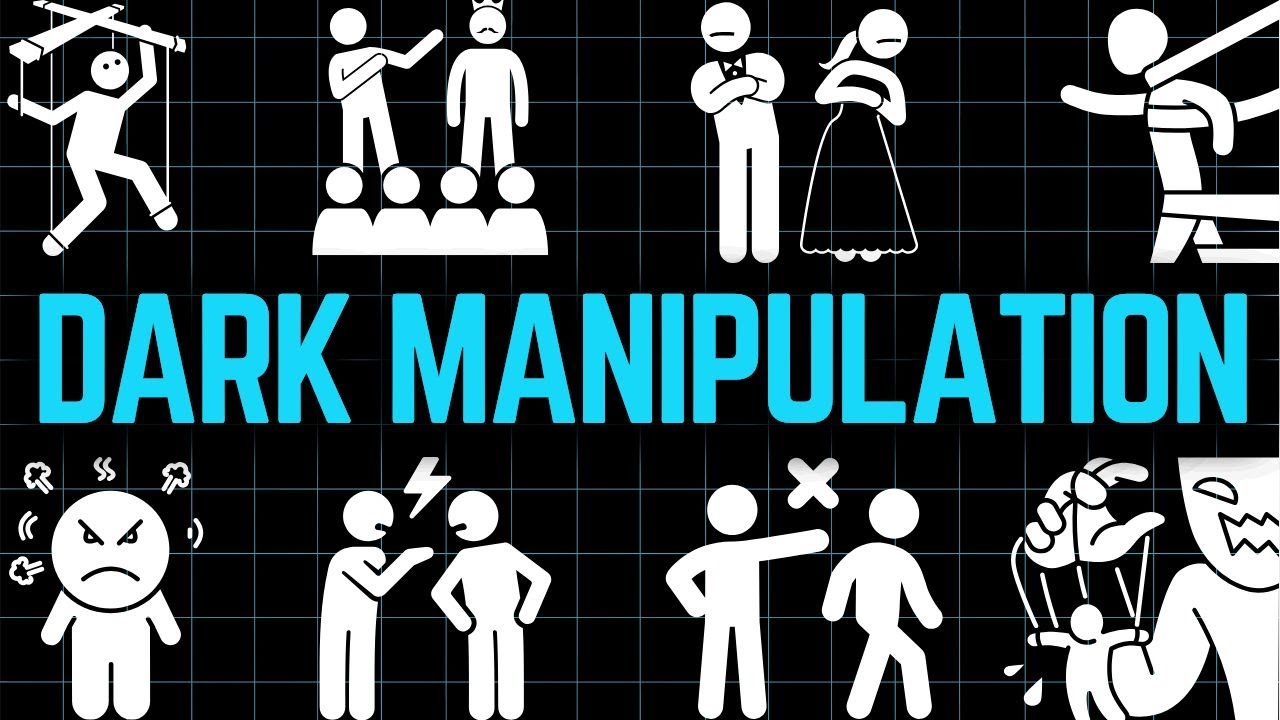
This YouTube video transcript provides a comprehensive overview of various manipulation tactics used in relationships, workplaces, and social circles. It explains each tactic, provides examples, and offers strategies for recognizing and resisting them. The key takeaway is to empower individuals to identify manipulation, set boundaries, and reclaim their emotional and psychological independence.
- Future Faking: Promises of a better future used to maintain control.
- Stonewalling: Shutting down communication to assert power.
- Gaslighting: Distorting reality to undermine someone's sanity.
- Love Bombing: Overwhelming affection used to create dependency.
- Guilt Tripping: Exploiting empathy to manipulate behavior.
- Triangulation: Involving a third party to create division and control.
- Silent Treatment: Withholding communication as punishment.
- Shifting the Blame: Avoiding responsibility by redirecting fault.
- Playing the Victim: Gaining sympathy to evade accountability.
- Closure as Control: Demanding closure to maintain emotional entanglement.
- Projection: Accusing others of one's own flaws.
- Feigning Helplessness: Pretending to be incapable to shift burdens.
- Creating Dependency: Making someone reliant to exert control.
- Using Fear as Leverage: Instilling fear to manipulate behavior.
- Blurring Boundaries: Gradually eroding personal limits.
- False Ultimatums: Coercing decisions with unfair choices.
- Pity Plays: Exploiting sympathy to avoid responsibility.
- Goading Emotional Outbursts: Provoking reactions to discredit the victim.
- Weaponized Insecurity: Exploiting fears to gain control.
- Inducing Shame: Making someone feel flawed to control them.
- Breadcrumbing: Giving minimal attention to keep someone hooked.
- Moving the Goalposts: Constantly changing standards to ensure failure.
- Twisting Words: Distorting statements to create confusion.
- Backhanded Compliments: Subtle insults disguised as praise.
- Rewriting History: Denying or altering past events to shift blame.
- Feigning Ignorance: Pretending not to understand to avoid responsibility.
- Strategic Compliments: Using flattery to manipulate behavior.
- Creating Uncertainty: Keeping someone off-balance to maintain control.
- Withholding Affection: Withdrawing love as a form of punishment.
- Shaming Emotional Reactions: Invalidating feelings to suppress expression.
- Intermittent Reinforcement: Alternating rewards and punishments to create addiction.
- Grooming: Building trust to exploit and control.
- Creating Rivalries: Stirring competition to maintain power.
- Weaponizing Kindness: Using generosity with strings attached.
- Sudden Withdrawals: Disappearing to create emotional distress.
- Feigning Outrage: Pretending to be offended to silence others.
- Martyr Complex: Portraying oneself as a victim to gain sympathy and control.
- Conditional Love: Offering affection only when specific conditions are met.
- Planned Chaos: Intentionally creating confusion to maintain control.
What Is Future Faking?
Future faking is a manipulation tactic where someone makes grand promises about the future to keep you emotionally invested in the present, without any intention of following through. It involves painting a picture of a perfect future, such as marriage, moving in together, or a promotion, to motivate and maintain loyalty. The manipulator exploits the natural human tendency to be hopeful, using hope as a leash to prevent the target from walking away. The key sign of future faking is inconsistency between words and actions, with the manipulator always having an excuse for why the promised future hasn't arrived.
The Trap of Hope and Empty Promises
The trap of future faking lies in the inconsistency between big words and absent actions. Manipulators always have excuses for unfulfilled promises but never take real steps to make them a reality. To escape this, judge people by actions, not words, and set a mental deadline; if nothing changes, walk away. Manipulators thrive on victims waiting and hoping, but their power disappears when decisions are based on reality.
What Is Stonewalling?
Stonewalling is a tactic used to shut down communication and control a situation by refusing to engage in dialogue. Unlike the silent treatment, which is used as emotional punishment, stonewalling is about avoidance and refusal to answer questions or acknowledge the conversation. It involves derailing conflicts, deflecting responsibility, and making the other person feel unheard and powerless. The stonewaller might roll their eyes, cross their arms, leave the room, or start using their phone, sending the message that the other person's feelings don't matter.
The Psychological Toll of Stonewalling
Stonewalling can cause anxiety, self-doubt, and emotional exhaustion, leading victims to internalize feelings of rejection and unworthiness. In long-term relationships, it can result in emotional detachment, resentment, and decay. To combat stonewalling, recognize it as emotional manipulation and set boundaries. Instead of begging for engagement, focus on your own emotional well-being.
Understanding Gaslighting
Gaslighting is a form of psychological manipulation that systematically dismantles someone's ability to trust their own mind. It involves distorting reality so skillfully that the victim begins to doubt their own memory, perception, and sanity. It starts subtly with comments like, "That never happened," or "You're overreacting," which accumulate over time. Gaslighters thrive on control, aiming to destabilize their target and make them rely entirely on the gaslighter's narrative.
How Gaslighting Destroys Self-Trust
The long-term effects of gaslighting include anxiety, depression, low self-esteem, and a complete loss of self-trust. Victims become paralyzed in decision-making, altering their behavior to avoid conflict and seeking the gaslighter's approval. To combat gaslighting, trust your own reality by keeping records of events and seeking validation from trusted friends and family.
Escaping the Gaslighting Cycle
Engaging in endless arguments to prove what is true is a losing battle with a gaslighter, as they are only interested in control, not truth. The best response is to set firm boundaries, limit engagement, and, if possible, walk away entirely. Gaslighting erodes a person's sense of self, but its power weakens once recognized.
Love Bombing: Intensity as Control
Love bombing is manipulation disguised as romance, where the manipulator overwhelms their target with extravagant gestures, constant affection, and flattering words to create an illusion of deep connection. The relationship moves at an unnatural speed, with the love bomber pushing for early commitment and making their target feel special and irreplaceable. However, once the target is emotionally invested, the love bomber starts pulling away, leading to confusion and craving for the lost attention.
Emotional Addiction and the Love Bombing Cycle
Love bombing creates an emotional addiction through intense highs of early affection, followed by emotional withdrawal. Victims hold onto the memory of how good it used to be, believing they can bring back that version of their partner. The manipulator conditions their target to accept mistreatment in exchange for occasional bursts of affection, trapping them in an unpredictable cycle.
Breaking Free from Love Bombing
To escape love bombing, recognize the pattern before getting pulled in too deep. Real love builds gradually, and any relationship that moves too fast should be approached with caution. A healthy partner respects boundaries and doesn't react with guilt or anger when the pace is slowed down. Consistency is key, and dramatic fluctuations in affection indicate emotional manipulation.
Guilt Tripping: Manipulation Through Empathy
Guilt tripping is a manipulation tactic that exploits a person's empathy and responsibility, making them feel guilty for something they shouldn't. The manipulator makes the victim feel selfish, ungrateful, or neglectful to get what they want without directly asking. They often use past favors as leverage or play the victim, exaggerating their suffering to pressure the victim into giving in.
Recognizing and Resisting Guilt Tripping
Breaking free from guilt tripping requires recognizing the pattern and understanding that guilt is being used as a weapon. Just because someone makes you feel guilty doesn't mean you've done something wrong. Set boundaries and don't let emotional manipulation dictate decisions. Genuine relationships are built on open communication and respect, not on manipulating others through guilt.
Triangulation: Dividing to Control
Triangulation is a manipulative tactic that involves bringing a third person into a conflict to create insecurity, jealousy, or division. The manipulator uses this third party, either real or imagined, to gain control over the victim, keep them off balance, and maintain dominance in a relationship. This tactic is common in toxic romantic relationships, dysfunctional family dynamics, and toxic workplace environments.
How to Shut Down Triangulation
Refusing to engage in the competition is the strongest defense against triangulation. When a triangulator tries to stir jealousy or conflict, respond with indifference. Communicate directly with co-workers instead of relying on secondhand information. The key is to remove the manipulator's power by not playing their game.
The Silent Treatment: Punishment Disguised as Peace
The silent treatment is a form of psychological punishment disguised as withdrawal, deliberately shutting someone out to manipulate their emotions, instill self-doubt, and exert control. The person using the silent treatment withholds communication, affection, and acknowledgement, leaving their target in a state of emotional limbo. The goal is to establish dominance and force the victim into submission.
Responding to Emotional Starvation
To fight back against the silent treatment, recognize it as manipulation and shift your mindset. Instead of chasing the manipulator for answers, refuse to react to the silence, taking away their power. Seek validation from others and set firm boundaries to prevent future emotional blackmail.
Shifting the Blame: How Manipulators Avoid Accountability
Shifting the blame is a manipulation tactic where someone redirects fault onto someone else to avoid taking responsibility for their actions. This makes the victim feel guilty, defensive, or even responsible for the manipulator's mistakes. The manipulator stays in control while forcing the victim to justify themselves instead of holding the manipulator accountable.
Stop Accepting Misplaced Guilt
To counter blameshifting, stay focused on the original issue and refuse to be pulled into defending yourself when the real issue is their actions. The moment you stop accepting misplaced guilt, the manipulator loses their power. Accountability should never be a one-sided burden.
Playing the Victim: Turning Accountability Into Sympathy
Playing the victim is a manipulation tactic where the manipulator twists reality to make themselves appear as the helpless or innocent party, even when they are the ones causing harm. This is used to deflect blame, evade responsibility, and gain sympathy from others. The goal is to make others feel sorry for them so they can avoid consequences, control situations, or guilt people into compliance.
Spotting the Perpetual Victim Game
To counteract playing the victim, stay focused on facts and don't get drawn into emotional arguments or allow guilt to distort reality. Ask yourself if they are taking any responsibility or are always the victim. Real victims seek solutions, while manipulators seek control.
Closure as Control: When Letting Go Is Denied
The demand for closure can be a manipulation tactic to maintain control, drag out emotional pain, and keep the victim entangled in a toxic cycle. Manipulators use the idea of closure as an excuse to stay in someone's life when they should be letting go, not because they genuinely want peace, but because they want to reopen old wounds and stir up emotions.
Real Closure Comes from Within
True closure does not require permission or participation from the manipulator; it comes from within. It is the moment when you decide to stop engaging in emotional games and choose your own peace over their endless demands. The most powerful thing you can do is walk away, knowing that real closure is found in moving forward, not looking back.
Projection: Accusing You of What They’re Doing
Projection is a manipulation tactic where someone accuses another person of the very flaws, mistakes, or negative behaviors they are guilty of themselves. Instead of accepting responsibility for their actions, the manipulator shifts the blame onto their victim, making them feel as though they are the problem. This tactic is designed to confuse, disorient, and make the victim doubt themselves.
Defuse Projection by Trusting Reality
To counter projection, stay grounded in reality. Instead of immediately defending yourself, step back and ask if the accusation is true or a reflection of their own behavior. The power of projection lies in its ability to create confusion and self-doubt.
Feigning Helplessness: The Burden Shift
Feigning helplessness is a manipulation tactic where someone pretends to be incapable, overwhelmed, or in need of constant assistance to get others to do things for them. It's a calculated strategy to avoid responsibility, gain sympathy, and exert control over those who feel obligated to help.
Setting Boundaries with Fake Helplessness
To handle someone who feigns helplessness, set firm boundaries. Instead of automatically jumping in to help, encourage them to take responsibility. Resist the urge to rescue them, as that is exactly what they want. Real helplessness seeks solutions, while fake helplessness seeks free labor and emotional support without effort.
Creating Dependency to Keep You Trapped
Creating dependency is a manipulation tactic where the manipulator makes their victim emotionally, financially, or psychologically reliant on them. The ultimate goal is control by making the victim believe they cannot function or succeed without them. The manipulator ensures that the person remains submissive and unwilling to leave the relationship.
Reclaiming Your Independence
Breaking free from dependency requires recognizing the pattern and actively rebuilding self-sufficiency. Reconnecting with a support system, regaining financial independence, and rebuilding self-confidence are critical steps. The most important realization is that the manipulator's greatest weapon is the illusion that the victim needs them.
Using Fear as Leverage
Fear is one of the strongest human emotions, and manipulators know exactly how to use it to their advantage. When someone uses fear as leverage, they create an environment where the victim feels too afraid to challenge them, leave them, or stand up for themselves. This tactic is used in relationships, families, workplaces, and even politics, keeping people trapped in a cycle of obedience and submission.
When Fear Controls, Freedom Disappears
Breaking free from fear-based control requires recognizing that the threats are often exaggerated or outright false. Manipulators rely on fear because they know that once the victim realizes their own power, they will lose control. The first step is questioning the fear itself and taking small steps toward independence.
Blurring Boundaries: The Subtle Erosion of Autonomy
Blurring boundaries is a manipulation tactic where the manipulator slowly erodes the victim's ability to say no by crossing personal, emotional, or physical lines in small, subtle ways until the victim no longer feels in control of their own space, time, or decisions. The goal is to weaken the victim's sense of autonomy so they become more accommodating, compliant, and easier to manipulate without even realizing it.
How to Hold Your Ground
The most effective response to boundary blurring is consistency. If the manipulator complains, guilts, or pushes back, the victim must hold their ground. A simple, firm response shuts down manipulation attempts.
False Ultimatums: Coercion in Disguise
False ultimatums are a high-pressure manipulation tactic where the manipulator presents two extreme choices, forcing the victim into making a rushed or emotionally driven decision. The choices are almost always unfair, exaggerated, or misleading, designed to make the victim feel like they have no reasonable alternative except to comply with the manipulator's demands.
Walk Away from Manipulative Choices
The strongest response to a false ultimatum is the realization that you do not have to play their game at all. A person who truly values you will not force you into impossible choices just to get their way.
Pity Plays: Sympathy as a Weapon
Pity plays are a deeply manipulative tactic where the manipulator plays the victim to gain sympathy, avoid responsibility, or guilt trip others into compliance. Instead of addressing issues directly, they exaggerate their struggles, suffering, or hardships to shift attention away from their actions and onto their supposed suffering.
Spot the Difference Between Help and Control
The key question to ask when dealing with pity plays is whether the person is seeking solutions or just attention. A genuine victim wants help to improve their situation, while a manipulator using pity plays only wants emotional validation and control.
Goading Emotional Outbursts
Goading someone into an emotional outburst is a manipulation strategy where the manipulator deliberately provokes the victim, pushing them until they snap, then using their reaction against them. This tactic is designed to make the victim look irrational, aggressive, or overly emotional while the manipulator plays innocent.
Keep Calm and Kill Their Control
The best way to win against someone who tries to provoke you is not to fight harder, but to stop playing their game altogether. Your reaction is their ammunition.
Weaponized Insecurity: Your Doubts, Their Power
Weaponized insecurity is a ruthless manipulation tactic where someone deliberately exploits another person's fears, doubts, or weaknesses to gain control over them. Instead of supporting or uplifting the victim, the manipulator subtly or overtly highlights their insecurities, making them feel inadequate, unworthy, or dependent.
Grow Beyond the Insecurities They Feed
The biggest lie manipulators tell is that you are not enough. The truth is your insecurities do not define you; your ability to grow past them does. The moment you refuse to let someone else dictate your worth, their power over you disappears.
Inducing Shame: The Deepest Cut
Inducing shame is a deeply psychological manipulation tactic where the manipulator makes the victim feel fundamentally flawed, unworthy, or guilty for who they are, what they believe, or how they behave. Unlike guilt, which is about feeling bad for something you did, shame is about feeling bad for who you are.
You Are Not Broken—They Want You to Believe That
The best way to fight back against shame-based manipulation is to reject the idea that you are inherently flawed. No one has the right to make you feel ashamed for being yourself. Shame only holds power when you believe it.
Breadcrumbing: The Illusion of Possibility
Breadcrumbming is a manipulation tactic where someone gives just enough attention, affection, or validation to keep the victim interested, but never enough to actually satisfy or fulfill them. The manipulator dangles small crumbs of hope, keeping the victim emotionally invested, all while avoiding real commitment, responsibility, or consistency.
You Deserve More Than Crumbs
Real connections, whether in love, friendship, or work, are built on consistency, not empty promises. You deserve more than crumbs, and once you stop accepting them, you free yourself to find the whole meal elsewhere.
Moving the Goalposts: Success That Never Arrives
Moving the goalposts is a form of manipulation where the manipulator constantly changes the standards, expectations, or requirements for success, ensuring that the victim never feels like they are good enough. The goal is to keep the victim in a perpetual state of striving, uncertainty, and self-doubt.
Stop Chasing Shifting Standards
If someone constantly changes the expectations to keep you feeling less than, stop playing their game. You don't need to prove yourself to someone who has no intention of ever being satisfied. Walk away and set your own goalposts, ones that don't move based on someone else's manipulation.
Twisting Words: When They Rewrite What You Said
Twisting words is a psychological manipulation tactic where a person distorts, misrepresents, or alters what someone else has said to create confusion, frustration, and self-doubt. The goal is to make the victim question their own words, defend themselves over something they never meant, or feel as though they are constantly in the wrong.
Stay Centered in the Truth
The most effective way to counter twisting words is to remain calm and refuse to engage in their distortion. Instead of getting trapped in an endless cycle of explanation, restate the original statement with clarity and confidence.
Backhanded Compliments: Subtle Insults in Disguise
A backhanded compliment is an insult disguised as praise designed to subtly undermine, criticize, or devalue the recipient while appearing polite or well-meaning. This form of manipulation allows the person delivering the insult to maintain plausible deniability, making it difficult for the victim to call them out without appearing overly sensitive.
Take Back Your Confidence
Backhanded compliments are never about genuine praise; they are about control and subtle put-downs. The moment you recognize them for what they are, they lose their ability to influence your self-worth.
Rewriting History: Denying What Happened
Rewriting history is a manipulative tactic where a person distorts, alters, or outright denies past events to change the narrative in their favor. The goal is to shift blame, erase accountability, or make the victim question their own memory.
Trust Your Memory, Not Their Lies
The best way to counter rewriting history is to trust your memory and, if possible, keep a record of important conversations and events. If someone persistently denies reality, the best response is, "I know what happened, and I'm not going to argue about it."
Feigning Ignorance: “I Didn’t Know” as a Shield
Feigning ignorance is a manipulation tactic where someone pretends they don't understand something in order to avoid responsibility, delay confrontation, or frustrate the victim into giving up. The goal is to create confusion, shift blame, and make the victim feel as if they are overcomplicating things or expecting too much.
Stop Explaining What They Already Understand
To counter feigning ignorance, stop playing the game. If someone repeatedly claims they don't understand something that they should, refuse to keep explaining. The key is to see through their act and hold them accountable even when they pretend not to know what's happening.
Strategic Compliments: Flattery with Strings
Strategic compliments are a subtle form of manipulation where praise is used not as genuine encouragement but as a calculated tool to control, influence, or destabilize the recipient. Unlike backhanded compliments, which are disguised insults, strategic compliments are carefully crafted to create dependency, shift power dynamics, or soften resistance to manipulation.
Compliments That Control
True compliments build confidence, while strategic ones create control. The moment you recognize the difference, the manipulation loses its power.
Creating Uncertainty to Keep You Off-Balance
Creating uncertainty is a psychological manipulation tactic where the manipulator keeps the victim in a constant state of doubt, making them unsure of themselves, their choices, or even reality itself. The goal is to destabilize the victim's confidence so that they become dependent on the manipulator for guidance, validation, or decision-making.
Trust Yourself, Not Their Confusion
The most powerful response to creating uncertainty is to stop waiting for clarity from someone who thrives on keeping you in the dark. Recognize the game, step away, and reclaim your ability to trust yourself.
Withholding Affection: Love on a Leash
Withholding affection is a deeply manipulative tactic where a person deliberately withdraws love, attention, or emotional warmth as a means of control. This silent form of punishment is designed to make the victim feel insecure, desperate for approval, and willing to do whatever it takes to regain the affection that was taken away.
Love Doesn’t Disappear When You Disagree
Real love does not disappear when you make a mistake. Anyone who weaponizes emotional distance against you is not someone who truly cares about your well-being.
Shaming Emotional Reactions
Shaming emotional reactions is a form of manipulation where a person makes someone feel guilty, weak, or irrational for expressing their emotions. The goal is to make the victim suppress their feelings, doubt their own reactions, and ultimately become easier to control.
You’re Allowed to Feel
The most powerful thing you can do is refuse to accept their narrative and stand firm in your right to feel, express, and process emotions without shame.
Intermittent Reinforcement: Emotional Gambling
Intermittent reinforcement is one of the most powerful and insidious manipulation tactics where a person alternates between giving affection, approval, or rewards and suddenly withdrawing them. This creates an unpredictable cycle of emotional highs and lows, keeping the victim addicted to the relationship or situation.
Stop Chasing the Highs
The only way to win this game is to stop playing it. If someone is only kind sometimes but cruel or indifferent most of the time, that is not love; that is control.
Grooming: Building Trust to Gain Control
Grooming is a dangerous and calculated form of psychological manipulation where a person slowly builds trust and emotional dependence with the victim to gain control over them. The process is gradual, making it difficult for the victim to recognize they are being manipulated until they are already deeply entangled.
Spotting the Trap Disguised as Care
If a relationship started with overwhelming kindness but has slowly turned into pressure, guilt, or control, that kindness was never real; it was a calculated trap. Recognizing this manipulation is the first step to reclaiming your independence.
Creating Rivalries to Divide and Conquer
Creating rivalries is a manipulation tactic where a person deliberately stirs up competition, jealousy, or division between others to maintain control and power over them. The goal is to keep people distracted, insecure, or in conflict with each other so they never unite against the manipulator.
Choose Connection Over Competition
The moment you refuse to participate in creating rivalries, their control crumbles. Real relationships, whether professional, romantic, or personal, should make you feel secure, not constantly compared.
Weaponizing Kindness: Generosity with Strings
Weaponizing kindness is one of the most deceptive forms of manipulation where someone uses generosity, favors, or affection not as acts of goodwill but as tools of control. Instead of being genuinely kind, the manipulator strategically gives support, gifts, or emotional warmth in a way that makes the recipient feel obligated, indebted, or guilty.
You Don’t Owe Anyone for Kindness
The people who truly care about you will never make you feel like you owe them for their kindness. Real love and support do not come with conditions, and they never should.
Sudden Withdrawals: Disappearing to Control
Sudden withdrawals are a powerful form of psychological manipulation where a person abruptly removes their presence, attention, or emotional warmth from someone without explanation. This tactic is designed to create emotional distress, confusion, and insecurity in the victim, making them desperate to regain the manipulator's approval.
Stop Chasing Their Return
The moment you stop reacting to sudden withdrawals, the manipulator loses their power over you. If someone values you, they will communicate, not disappear.
Feigning Outrage to Silence You
Feigning outrage is a manipulation tactic where a person pretends to be deeply offended, hurt, or angry in order to shut down conversation, deflect accountability, or pressure someone into compliance. This over-the-top reaction is designed to intimidate, confuse, or guilt trip the victim into backing down, making them feel as though they are the unreasonable one.
Don’t Let Their Drama Derail You
The most powerful response is not to be intimidated, not to be guilt-tripped, and not to let someone's exaggerated emotions distract you from the truth.

