
Brief Summary
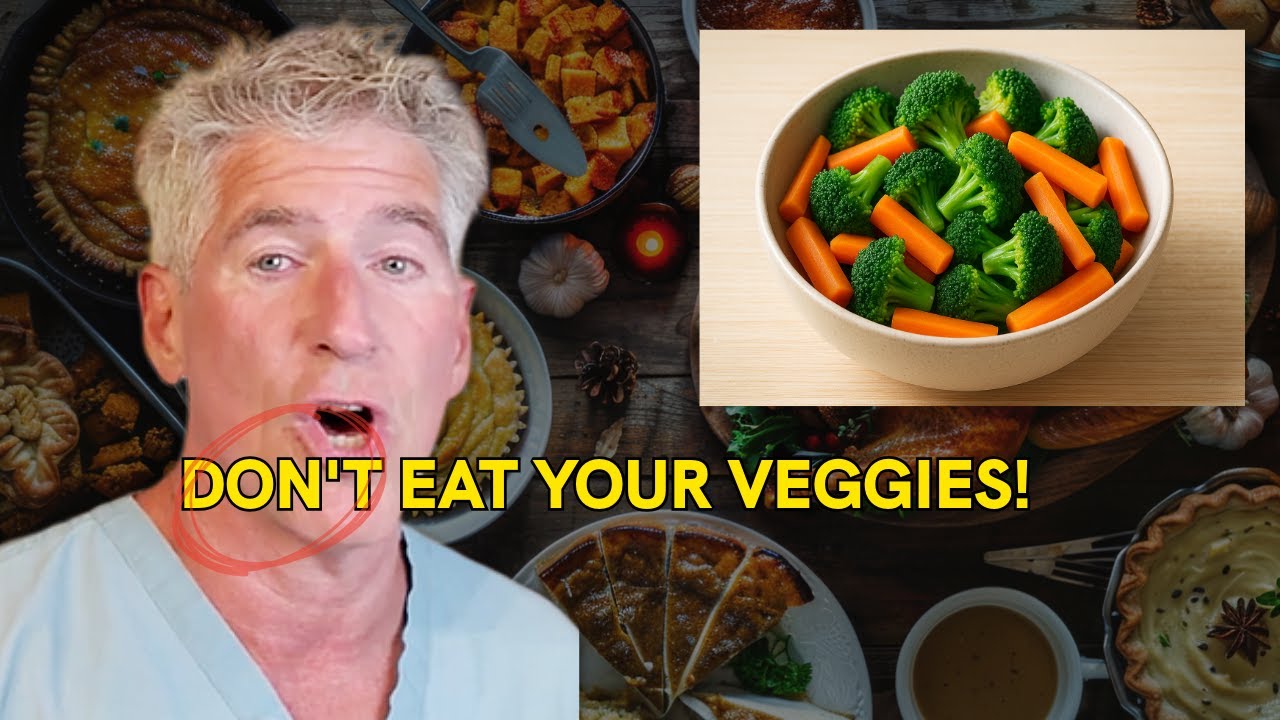
Dr. Sean O'Mara discusses five types of food and drinks to avoid during Thanksgiving and other holidays to maintain health, optimize metabolism, and support a healthy microbiome. These include refined carbohydrates and sugars, processed foods, unfermented fruits and vegetables, consuming meat or fat without fermented foods, and unhealthy beverages. By avoiding these, individuals can protect their gut, reduce glycation and aging, and improve their overall metabolic health.
- Avoid refined carbohydrates and sugars
- Avoid processed foods
- Avoid unfermented fruits and vegetables
- Combine meat or fat with fermented foods
- Avoid unhealthy beverages
Introduction: Navigating Thanksgiving Food
Dr. Sean O'Mara addresses the common challenge of maintaining a healthy diet during Thanksgiving and other holiday gatherings where unhealthy food options are abundant. He emphasizes the importance of prioritizing one's health and body over temporary indulgences, such as unhealthy foods and drinks. He introduces five specific types of foods to avoid to protect your microbiome and metabolism.
Refined Carbohydrates and Sugars
Refined carbohydrates, including pastas, potatoes, breads, pies, cookies, and sweet beverages, are detrimental to gut health and metabolism. These carbs feed harmful microbes like candida and streptococcus, leading to inflammation, leaky gut, and cravings for more sugar. Additionally, they drive glycation, a process where sugars bind to proteins, causing tissue stiffening, collagen damage, and the formation of advanced glycation end products (AGEs) that accelerate aging and disease. Fructose, found in fruit and beverages, is particularly harmful as it glycates tissues much faster than other sugars, contributing to visceral fat accumulation and heart disease.
Processed Foods
Processed foods, are hyper palatable, convenient, and heavily marketed, but they are destructive to the microbiome and metabolism. They often contain seed oils, chemicals, and preservatives that hijack the body's biology. Seed oils oxidize quickly, causing inflammation, while emulsifiers and preservatives disrupt the gut barrier, leading to leaky gut. Refined carbs in processed foods feed inflammatory microbes and increase glycation, contributing to visceral fat, heart disease, mitochondrial stress, and endothelial dysfunction, which impairs blood flow.
Unfermented Fruits and Vegetables
Raw, unfermented fruits and vegetables contain anti-nutrients like lectins and oxalates, which are minor toxins that cause inflammation in the gut and throughout the body. While some people find relief from autoimmune disorders by eliminating these plants, fermenting fruits and vegetables can mitigate these issues. Fermentation reduces anti-nutrients and increases beneficial microbes, enhancing the nutritional value and supporting gut health. Fermented options like sauerkraut, kimchi, and fermented pickles are safer and more beneficial for the gut and microbiome.
Meat or Fat Without Fermented Foods
Consuming meat or fat without fermented foods can expose the gut to harmful oral pathogens. The mouth is often more pathogenically dense than the rectum, with microbes linked to cancers, arthritis, and heart disease. Chewing meat and fat alone mixes them with these pathogens, increasing the risk of inflammation and disease. Pairing meat and fat with fermented foods introduces beneficial microbes that neutralize oral pathogens, create an acidic environment, improve digestion, and support a healthy microbiome.
Bad Liquids
Avoid sodas, fruit juices, sweet teas, energy drinks, and processed smoothies, as they are essentially processed foods in liquid form. Sugary beverages spike blood sugar, drive glycation, and bypass the beneficial microbial processing that occurs with chewing and saliva. Instead, opt for clean, non-chlorinated water, natural spring water in glass jars, or unsweetened coffee. Treat liquids like food, considering their impact on the microbiome, glycation, and metabolic health.
Conclusion: Modeling Healthy Choices
Dr. O'Mara encourages viewers to rise above unhealthy eating habits during holidays and family gatherings by modeling healthy choices. By avoiding the five categories of harmful foods and drinks, individuals can protect their gut, reduce disease risks, and maintain a healthy metabolism and microbiome. He suggests viewing these events as opportunities to practice healthy eating in a group setting and to inspire others to make better choices.

