
Brief Summary
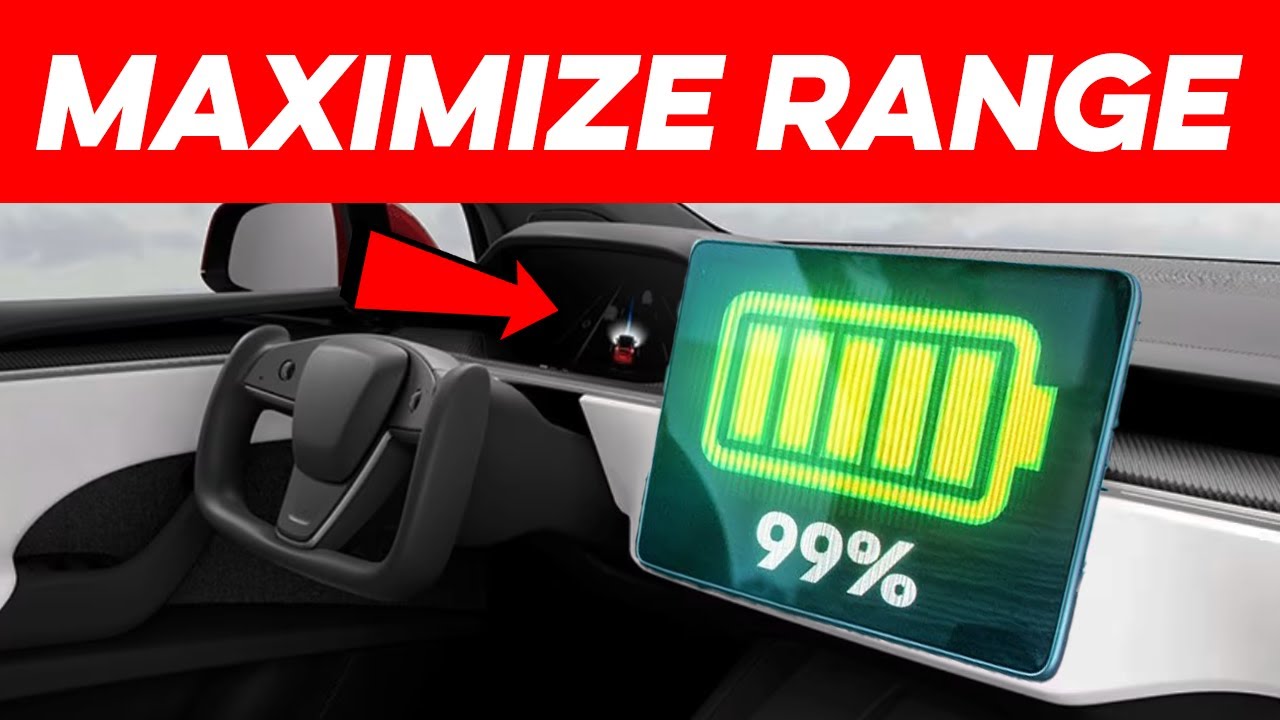
This video provides a comprehensive guide on how to maximize the battery life and efficiency of a Tesla. It covers understanding Tesla's battery technology, optimal charging strategies, energy-saving settings, driving habits, and environmental considerations. By implementing these tips, Tesla owners can extend their battery life, conserve energy, and ensure their vehicle performs optimally for years.
- Understanding Tesla's Battery Technology
- Optimal Charging Strategies
- Energy-Saving Settings
- Impactful Driving Habits
- Environmental Considerations
Intro
Mike Seuss introduces the video, emphasizing the importance of maintaining a Tesla's battery for longevity and peak performance. He promises to break down settings, tips, and habits to conserve battery life, catering to both new and experienced Tesla owners. The video will cover energy-saving settings and driving habits to ensure the Tesla battery lasts for years.
Understanding Tesla’s Battery Technology
Tesla batteries use advanced lithium-ion technology, balancing energy density, efficiency, and durability. These batteries consist of thousands of cells grouped into modules, managed by a sophisticated cooling system to prevent overheating. Factors like high charging speeds, extreme temperatures, and frequent deep discharges can degrade battery health over time. Studies indicate that Tesla batteries retain about 90% of their original capacity after 150,000 miles, and Tesla offers long warranty periods as a testament to their battery technology. Tesla's thermal management system uses liquid cooling to maintain an ideal temperature range, ensuring consistent performance.
Optimal Charging Strategies
Optimal charging practices are crucial for maintaining a Tesla's battery health. For daily use, Tesla recommends setting the charge limit between 20% and 80% to minimize stress on the battery cells. Charging to 100% should only be done before long road trips and driving soon after reaching full charge. Home charging using a Tesla wall connector or a 240-volt outlet is the most convenient and battery-friendly option. Superchargers are useful for long trips but should be used sparingly due to the heat they generate. Utilizing Tesla's scheduled charging feature to align with off-peak electricity rates can also save money and reduce strain on the power grid. Overcharging and deep discharging should be avoided to prolong battery life.
Energy-Saving Settings to Maximize Range
Tesla vehicles have multiple settings to optimize energy use and extend driving range. Range mode prioritizes energy efficiency by adjusting climate control and battery systems, ideal for long trips and mild weather. Preconditioning the cabin while plugged in ensures a comfortable temperature without draining the battery. Eco mode for climate control reduces energy consumption during short trips. Cabin overheat protection prevents the interior from overheating when parked in the sun. Energy savings mode minimizes standby battery drain when the car is parked for extended periods. Dimming the touchscreen and dashboard displays can also conserve energy, and keeping the vehicle updated ensures access to the latest energy efficiency improvements.
Driving Habits That Make a Difference
Driving habits significantly impact a Tesla's battery life and efficiency. Avoiding aggressive acceleration and using chill mode promotes smoother driving and conserves energy. Regenerative braking, set to standard, recaptures energy when slowing down, extending range and reducing brake pad wear. Maintaining a consistent speed using traffic-aware cruise control or autopilot on highways maximizes range. Driving at lower speeds, such as 55-65 mph, is more efficient than driving at 75 mph or higher due to wind resistance. Using Tesla's navigation system helps calculate energy-efficient routes, and removing unnecessary weight from the vehicle improves efficiency. Tesla's one-pedal driving feature, enabled by regenerative braking, minimizes brake usage and recovers energy.
Environmental Considerations
Environmental conditions, particularly extreme temperatures, affect a Tesla's efficiency and battery health. In cold temperatures, preconditioning the battery and cabin using the scheduled departure feature can mitigate range reduction. Using seat heaters instead of full cabin heat consumes less energy. Keeping the Tesla plugged in overnight in freezing temperatures prevents battery drain. In hot climates, parking in shaded areas or using a sunshade keeps the interior cooler, reducing the workload on the AC system. Using Eco mode for climate control and preconditioning the Tesla while plugged in also helps. For extended storage, keeping the charge level between 50% and 60%, storing the vehicle in a climate-controlled environment, and enabling energy savings mode are recommended. Maintaining proper tire pressure reduces rolling resistance and improves range.
Conclusion
Mike Seuss summarizes the guide, emphasizing that following the discussed settings, charging habits, and driving styles will conserve energy and maintain the Tesla's performance for years. He encourages viewers to like the video, subscribe to the channel for more Tesla content, and share their battery-saving strategies in the comments.

