
Brief Summary
This video provides a comprehensive guide to Tesla charging, covering home charging options (mobile and wall connectors), the Supercharger network, and destination charging. It also includes a cost comparison, charging speed tests, practical charging tips, and a glimpse into the future of Tesla charging technology.
- Home charging is convenient and cost-effective, using either a standard outlet or a dedicated wall connector.
- Superchargers are designed for rapid charging during long trips, while destination chargers offer convenient charging at hotels and shopping centers.
- Practical tips include utilizing scheduled charging, pre-conditioning the car, and being mindful of other users at public chargers.
Intro
Mike Seuss introduces a comprehensive guide to Tesla charging for both new and prospective owners. The video will cover home charging setups, the Supercharger network, destination charging, costs, charging speeds, and practical tips to enhance the Tesla ownership experience. The video is sponsored by teslaneckpillows.com, which offers premium Tesla neck pillows designed for superior comfort by enhancing posture and style.
Home Charging
Charging a Tesla at home is convenient, similar to charging a smartphone overnight, ensuring a full battery each morning. There are two primary options: the mobile connector and the wall connector. The mobile connector comes standard and uses a regular 120-volt outlet, providing about two to three miles of range per hour without additional installation costs. The wall connector requires a 240-volt outlet, delivering up to 44 miles of range per hour, but installation can cost between $750 and $1,500 depending on existing electrical infrastructure. Home charging typically costs between $8 and $15 for a full charge, depending on local electricity rates and the Tesla model.
Superchargers
Tesla's Supercharger network facilitates rapid charging during long-distance travel. These stations are strategically located near amenities like restaurants and shopping centers. V2 Superchargers deliver up to 150 kilowatts, adding about 112 miles in 15 minutes, while V3 Superchargers provide up to 250 kilowatts, adding up to 180 miles in the same time. Supercharging costs range from 25 to 50 cents per kWh, potentially costing $20 to $25 for a full charge, depending on battery capacity and local rates. Tesla imposes idle fees to ensure availability for all users, requiring prompt vehicle removal upon completion of charging.
Destination Charging
Destination chargers are installed at locations such as hotels, restaurants, and shopping centers, offering convenient charging during extended stays. These Level 2 chargers, similar to wall connectors, provide up to 44 miles of range per hour and are often offered as a complimentary service for patrons. Checking with the venue beforehand is advisable. The video includes a promotion for Tesla Neck Pillows from teslaneckpillows.com, offering a 15% discount with code MS15.
Cost Comparison and Charging Speed Tests
Charging at home is generally more economical; for instance, fully charging a Tesla Model 3 RWD in North Dakota costs about $7 at home versus $20 at a Supercharger. Supercharger V3 can add up to 180 miles of range in 15 minutes, while a home wall connector typically adds around 44 miles per hour. Home charging prioritizes affordability and convenience, while Superchargers emphasize speed for long trips.
Practical Charging Tips for Tesla Owners
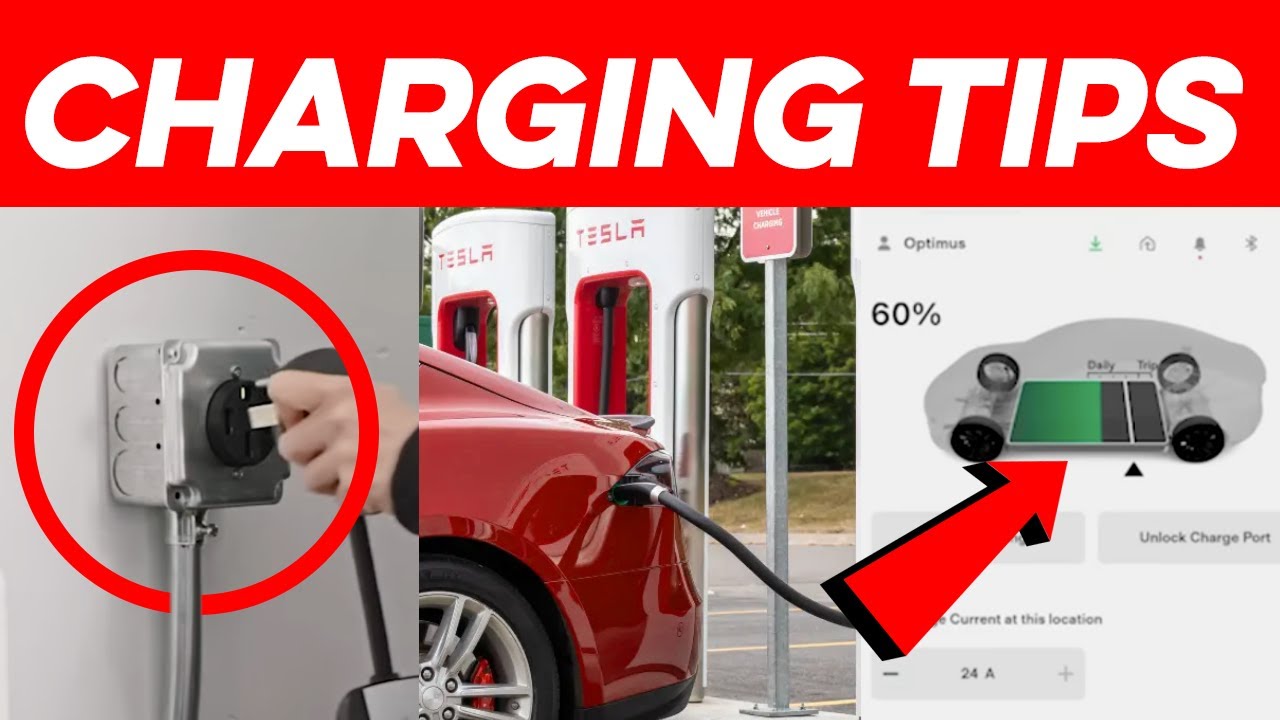
To optimize Tesla charging, utilize scheduled charging during off-peak hours to save on electricity costs. Pre-conditioning the car while plugged in saves energy, especially in cold climates, by ensuring optimal battery efficiency. Minimize phantom drain by disabling unnecessary features like Sentry Mode in secure locations and adjusting energy-saving settings in the Tesla app. Be considerate of other Tesla owners by promptly moving your car once it's fully charged to avoid idle fees and free up chargers.
Future of Tesla Charging
Tesla's next-generation V4 Superchargers are expected to offer speeds up to 350 kilowatts, significantly reducing charging times for compatible models and streamlining long-distance EV travel. Tesla is also considering introducing bi-directional charging, enabling cars to power homes during outages, a feature already available in some EVs. Tesla is expanding its Supercharger network to include non-Tesla EVs, promoting a more inclusive charging infrastructure and making it easier to find chargers on any journey.
Conclusion
The video concludes by summarizing the key aspects of Tesla charging, from home setups to Superchargers and destination chargers, emphasizing how Tesla aims to make EV ownership seamless. Understanding charging options and habits can save money, time, and energy. Viewers are encouraged to like the video, subscribe for more Tesla content, and share their preferred charging methods in the comments.

