
Brief Summary
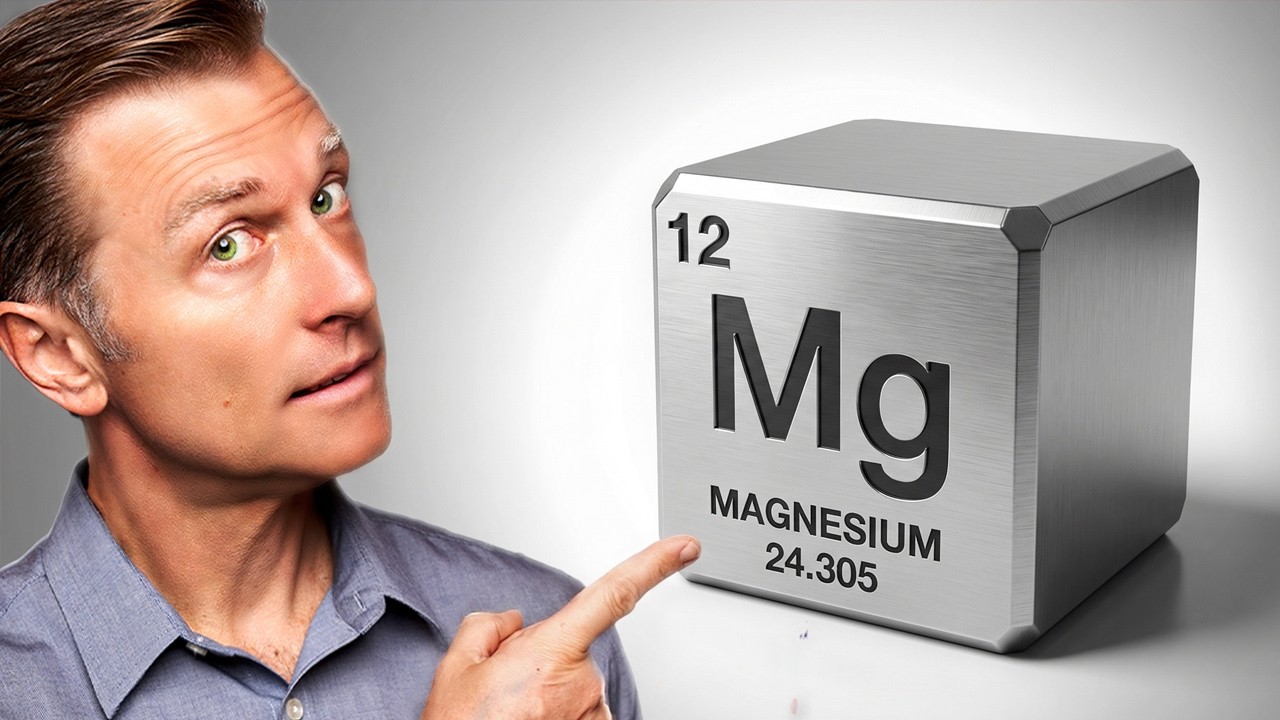
This video discusses the importance of magnesium and how a deficiency can manifest in various hidden symptoms that are often overlooked. It covers common causes of magnesium deficiency, symptoms like anxiety, eye twitching, and fatigue, and recommends magnesium glycinate as a superior form of supplementation. The video also provides guidance on when and how to take magnesium, along with lifestyle tips to improve magnesium absorption and overall health.
- Magnesium deficiency is often misdiagnosed due to reliance on blood tests, which don't accurately reflect magnesium levels in bones and cells.
- Stress, sugar, caffeine, alcohol, high insulin levels, low stomach acid, low salt, and low vitamin D can deplete magnesium.
- Magnesium glycinate is recommended for better absorption and calming effects, best taken in the evening.
Introduction: Hidden magnesium deficiency symptoms
Many people attribute their fatigue, inflammation, and stress to unknown causes, but these issues may stem from a significant magnesium deficiency. Most of the body's magnesium is stored in bones and cells, with only a small fraction present in the blood serum. Relying solely on blood tests to evaluate magnesium levels is a common mistake, especially among doctors, as it doesn't accurately reflect the body's overall magnesium stores.
What causes magnesium deficiency?
Several factors can deplete magnesium levels in the body. These include the use of over 300 medications, as well as lifestyle factors such as stress, sugar consumption, caffeine intake, and alcohol consumption. High insulin levels, often resulting from excessive carbohydrate intake, can also hinder magnesium absorption, a common issue given the prevalence of insulin resistance. Additionally, low hydrochloric acid levels in the stomach, low salt intake, and low vitamin D levels can all contribute to magnesium deficiency.
Magnesium for anxiety
Anxiety, especially sudden anxiety that arises without an apparent cause, can be a symptom of magnesium deficiency. Magnesium acts as a "brake" for the nervous system, and without sufficient magnesium, the nervous system can become unstable. Waking up at 2:00 a.m. is another potential sign, often linked to high cortisol levels, which magnesium helps to regulate.
Eye twitching and magnesium deficiency
Eye twitching, or tetany, is a classic symptom of magnesium deficiency. This occurs because magnesium is a master controller of calcium levels in the muscles. When there is insufficient magnesium, an imbalance arises, leading to excessive calcium that causes muscle contraction without proper relaxation. Magnesium prevents calcification in the body, maintaining the flexibility of arteries and joints. Conditions like high blood pressure, heart attacks, muscle spasms, migraines, and headaches can also be related to magnesium deficiency.
What kind of magnesium to take
Magnesium oxide, commonly sold in drugstores, is the least effective form of magnesium due to its low absorption rate of only 3%. A much better alternative is magnesium glycinate.
Magnesium glycinate benefits
Magnesium glycinate offers better absorption (80%) and includes glycine, a protein that aids GABA production in the brain, promoting calmness and better sleep. Despite some claims, magnesium glycinate can indirectly affect the brain by influencing sleep mechanisms in the gut and tissues.
When to take magnesium
The best time to take magnesium is in the evening, such as after dinner. It can be taken in pill or powder form, with powder being easier to consume when mixed with water. The body can only absorb a certain amount of magnesium at a time; exceeding 400 milligrams of magnesium glycinate at once may result in it being excreted through urine. For therapeutic benefits, such as addressing atrial fibrillation or osteoporosis, it is advisable to take 300 to 400 milligrams of magnesium glycinate several times a day to maximize absorption.
Health tips to avoid magnesium deficiency
Adopting a low-carb diet can improve insulin resistance, thereby enhancing magnesium absorption. Individuals over 50 or 60 years old may have low hydrochloric acid levels, indicated by indigestion or heartburn. Taking betaine hydrochloride can improve stomach function and increase the absorption of magnesium and other minerals.
Magnesium and vitamin D
Vitamin D is essential for magnesium absorption, and magnesium is needed for vitamin D absorption, so taking both can address various health issues. Limiting caffeine intake is also important, as excessive coffee consumption can deplete magnesium levels.

