
Brief Summary
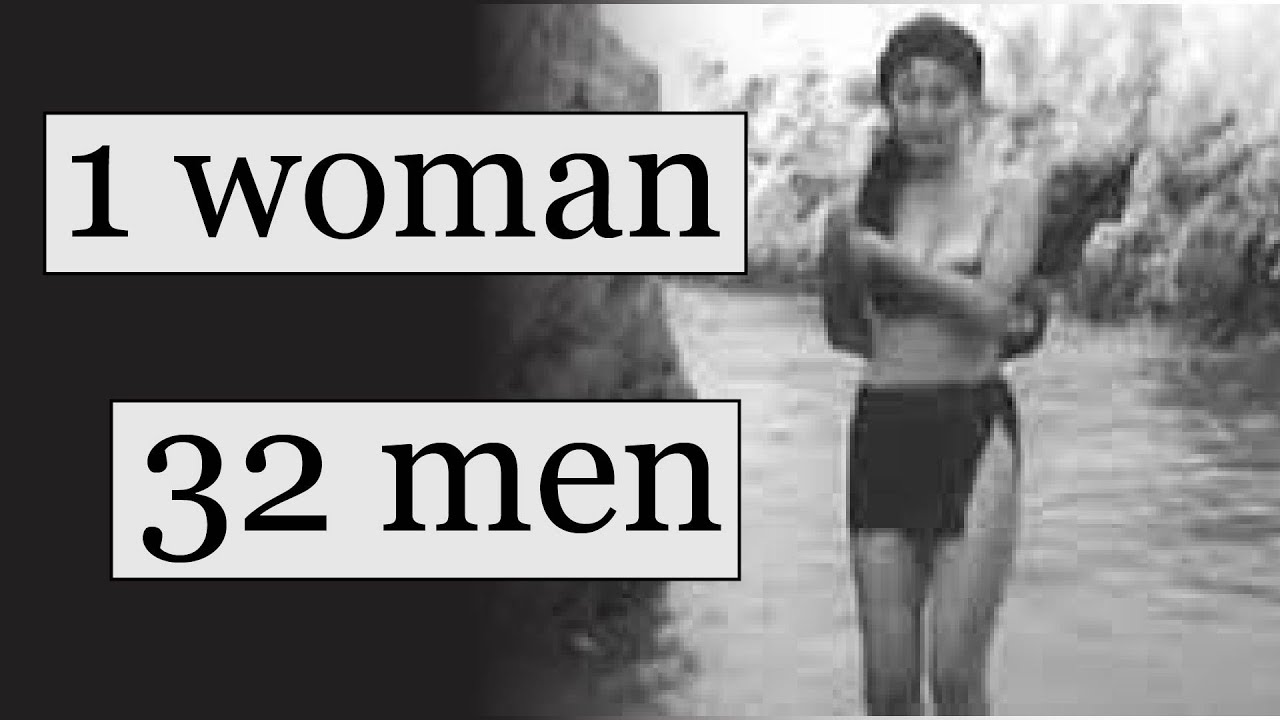
In 1944, 33 people, including one woman named Kazuko, were stranded on Anatahan Island after their ship was damaged during World War II. After the war ended, they were left on their own for several years. By the time they were rescued in 1951, only 20 of the original 32 men were alive, with the others presumed dead due to infighting over Kazuko.
- Kazuko became known as the "Queen of Anatahan" due to her unique position and the events that unfolded on the island.
- After being rescued, Kazuko capitalized on her story through media appearances, plays, and movies, but her reputation later suffered due to conflicting accounts and accusations from the surviving sailors.
- The true nature of events on Anatahan remains ambiguous, leaving questions about Kazuko's role and the circumstances surrounding the deaths of the men.
Stranded on Anatahan Island
In 1944, a group of 33 people, consisting of 32 men and one woman named Kazuko, found themselves stranded on the remote island of Anatahan in the Pacific Ocean. This occurred during the chaotic period following the end of World War II, leading to their virtual abandonment and struggle for survival over the next several years. By 1951, when they were finally rescued, only 20 of the original 32 men remained, with the other 12 either killed or missing, allegedly due to conflicts arising over the lone woman in the group.
Life on the Island
During the period between World War I and World War II, the Mariana Islands, including Anatahan, were under Japanese control. The South Sea Development Company managed a plantation on Anatahan, overseen by plantation manager Kikuichiro, his wife Kazuko, and a local staff. In 1944, as Japan's war efforts faltered, 31 sailors whose ship was damaged in combat drifted to the island. Kazuko's husband, Kikuichiro, pretended to be her husband to protect her from the sailors. The group, including Kazuko, Kikuichiro, the sailors, and local islanders, began a survival life on the island, relying on its fertile soil to grow potatoes, catch fish, and consume available resources like rats and lizards. They even produced alcohol from palm trees.
The War Ends and Power Shifts
In the summer of 1945, Japan surrendered to the Allies, and American ships occasionally visited Anatahan, announcing the end of the war and urging the remaining individuals to surrender. While the local islanders promptly left on the American ships, Kikuichiro, Kazuko, and the sailors hesitated, fearing potential harm from the Americans and refusing to accept Japan's defeat. They decided to continue their survival on Anatahan. Initially, Kazuko and Kikuichiro maintained a separate existence from the sailors, only interacting when necessary. However, in the summer of 1946, a sailor discovered the wreckage of a B-29 bomber, finding a pistol on the pilot's corpse, which disrupted the existing power dynamics.
The Queen of Anatahan Emerges
The sailor who found the pistol used it to coerce Kikuichiro into giving him Kazuko, making him her second husband. However, this second husband soon died under disputed circumstances. Kazuko claimed he fell off a cliff, while some sailors alleged Kikuichiro killed him. Shortly after, Kikuichiro also died, with Kazuko initially attributing it to food poisoning before claiming he was murdered by her future third husband. This third husband was also murdered by a man who became her fourth husband. Rumors circulated that Kazuko was involved with other men, causing strife and infighting among the sailors, who blamed her for the deaths and overall discord. Fearing for her safety, Kazuko hid in the jungle and eventually escaped the island on an American ship in 1950, returning to Japan.
Rescue and Aftermath
In the summer of 1951, the remaining sailors on Anatahan were rescued and brought back to Japan. However, only 20 men were still alive out of the original 32, excluding Kikuichiro and Kazuko's second and third husbands. The fate of the other nine remains uncertain due to conflicting accounts from Kazuko and the sailors. Upon returning to Japan, Kazuko learned that her husband was alive but had remarried, assuming she had died. Needing to support herself, Kazuko turned to the media, and her story of survival with dozens of men became a sensation, earning her the title "Queen of Anatahan."
Fame and Controversy
Kazuko's story was widely publicized, leading to a theater play and movies where she portrayed herself. She often spoke about her relationships with multiple men and the resulting conflicts. However, the accuracy of these claims is questionable. While initially seen as a strong survivor, her reputation suffered when sailors published their accounts, accusing her of manipulating them for resources and causing deadly infighting. Her poor acting skills and the sailors' accusations tarnished her image, transforming her from a brave survivor into a manipulative woman.
Decline and Legacy
Kazuko began retracting her claims, stating she had no choice but to get close to some men for survival and that only two had died fighting over her. The others, she said, died from starvation, food poisoning, or accidents. However, the damage was done, and she faced harassment and lost media opportunities. Kazuko moved to the countryside to avoid attention, and the media frenzy surrounding her faded. She eventually married, ran a small restaurant, and died of a brain tumor in 1971 at the age of 51. The question remains whether she was a manipulative figure or a victim of circumstance, doing what she had to survive. The story of the Queen of Anatahan has largely faded from public memory, with few remembering the real events that inspired it.

