
Brief Summary
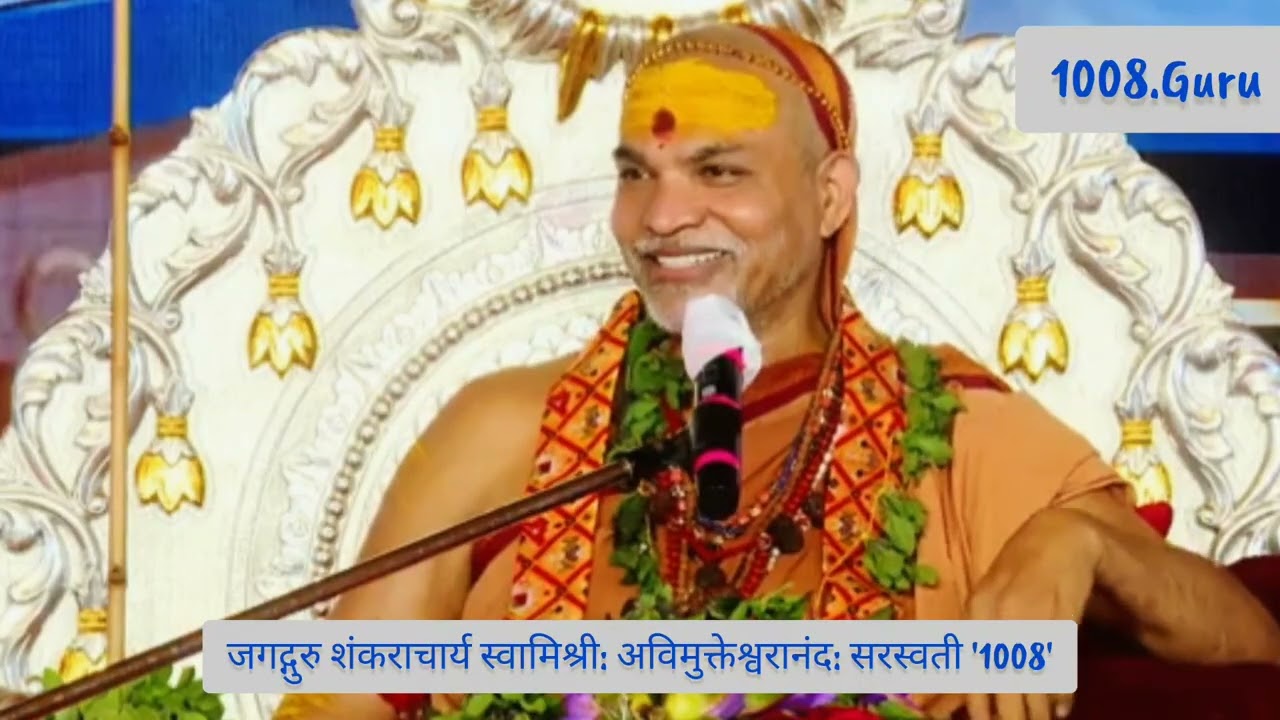
The video discusses the concept of divine incarnations (avatar) in Hinduism, focusing on the significance of Lord Shiva's avatars and their purposes. It explains how deities descend to Earth not for singular purposes, but often to address multiple needs of their devotees. The speaker emphasizes the qualities of various divine figures, describing their roles as protectors and purifiers, and making parallels between divine actions and human behaviors, particularly regarding moral lessons.
- Divine avatars address multiple needs of devotees.
- The qualities and roles of deities like Shiva and Krishna are elaborated.
Shiva's Divine Qualities and Avatars
The discussion begins with praises of Lord Shiva, highlighting his various attributes and names. The speaker emphasizes the importance of recognizing Shiva as the protector and purger of sins. It is noted that divine incarnations are necessary to restore balance and provide guidance to devotees, as even the highest deities must sometimes descend from their realms to assist humanity.
Role of Avatars
The narrative continues by explaining that avatars come down not for individual tasks but to address the collective needs of many devotees, similar to how humans consolidate tasks to be more efficient. The thinking processes of deities are compared to human behavior, illustrating that even divine beings evaluate when and why to intervene in human affairs.
Significance of 'Hari'
A detailed elaboration on the term 'Hari' is presented, discussing its meaning as one who takes away sins. The speaker explains its duality in relation to deities such as Vishnu and Shiva, highlighting that these deities play essential roles in both preservation and destruction of evil and ignorance in the world.
Divine Interaction and Human Accountability
Shiva's playful nature and interactions with devotees, like stealing butter and garments, are discussed, emphasizing that divine acts can sometimes resemble human mischief. The speaker emphasizes that unlike negative actions, which bring harm, divine actions aim to remove evil, thus portraying deities as benevolent purifiers.
Knowledge and Ignorance
The discussion transitions to the destructive power of ignorance and how deities like Shiva also represent the purging of ignorance through their teachings. The importance of learning and wisdom is highlighted, suggesting that divine guidance isn't limited to actions but involves imparting knowledge to awaken humanity from ignorance.
The Importance of Dharma
Shifting focus, the speaker talks about the significance of following Dharma (righteousness) and its relation to the strength and weakness of both divine and demonic forces. The importance of virtue in maintaining balance within the world is discussed, reflecting on how the observance or neglect of Dharma can lead to shifts in power between good and evil.
Avatar of Lord Buddha
The conversation highlights Buddha as an avatar of Vishnu and how this incarnation came in response to the growing ignorance and the need to guide humanity towards enlightenment, drawing a link to the subsequent impact on religious practices and belief systems, especially against the backdrop of growing skepticism towards traditional Vedic practices.
Revival of Sanatan Dharma by Shankaracharya
The final sections discuss the establishment of Sanatan Dharma by Shankaracharya and how he rejuvenated the faith by establishing authority in the Vedas. His efforts are described as critical in reinforcing the truth of Dharma over the rising conflicting beliefs, thus ensuring a structured approach to spiritual education and practice for future generations.

