
Brief Summary
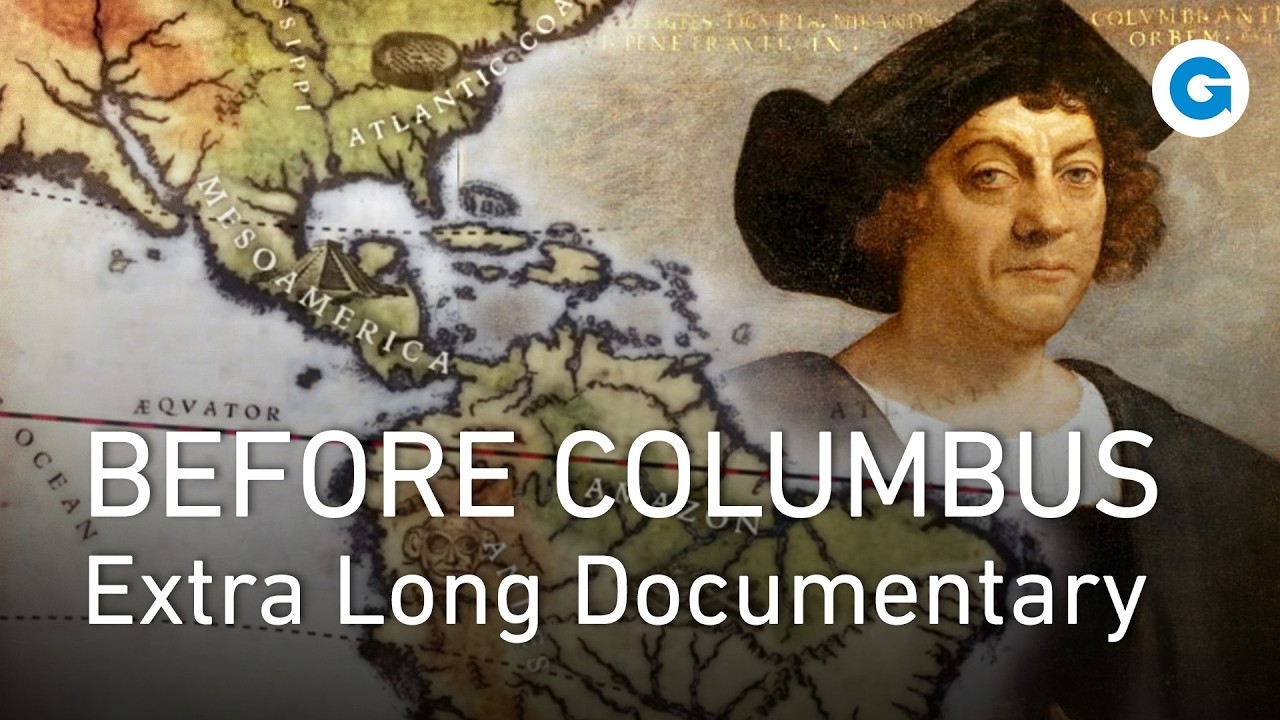
This video explores the transformative impact of Christopher Columbus's discovery of the Americas in 1492, focusing on the ecological and biological exchanges between the Old World (Europe) and the New World (Americas). It examines how the introduction of new plants, animals, and diseases reshaped the landscapes, economies, and populations of both continents. The video also addresses the complex interplay between human actions, environmental changes, and the rise and fall of civilizations in the Americas before and after European contact.
- The Columbian Exchange led to the introduction of new crops and livestock to both continents, revolutionizing agriculture and diets.
- European diseases decimated Native American populations, leading to significant social and ecological changes.
- The exploitation of natural resources in the Americas, such as timber and fish, mirrored and sometimes exceeded the environmental degradation already occurring in Europe.
Introduction
In 1492, Christopher Columbus's voyage marked the beginning of European discovery and conquest of the Americas. This era led to colonization and the transformation of the American landscape. Beyond conquest, the exchange of animals and plants between Europe and the Americas reshaped both continents.
The World in 1491: Europe
In 1491, Europe was driven by a thirst for expansion and riches, particularly under the ambitious Queen Isabella of Spain. European nobles had grown wealthy through trade with the East, but the loss of the Silk Road to the Turks threatened their wealth. Isabella sought new routes to India, leading to the financing of Columbus's voyage. Europe was characterized by intense rivalries, a widespread desire for gold, religious fervor, and advanced business expertise.
The World in 1491: The Americas
In 1491, the Americas were home to diverse and thriving civilizations. The Amazon was densely populated, the Andes cradled the Inca Empire, and Mesoamerica hosted imposing civilizations. Along the rivers, great cities were built around monumental plazas and earthen mounds. The Mississippians, known for their mound-building culture, flourished in North America, relying on corn as their staple crop. Corn, a result of selective breeding from wild teosinte grass, was crucial to the development of these cultures. The Inca Empire, located high in the Andes where corn could not grow, depended on potatoes, cultivated for 8,000 years, as their primary food source.
Agriculture and Domestication
In 1491, European agriculture supported a population similar in size to that of the Americas but in a much smaller area. European agriculture was based on grains and integrated with livestock farming, which provided manure for soil fertility and pastures for ecological reserves. Unlike Europe, the Americas lacked domesticated animals, except for llamas in the Andes and turkeys in Mesoamerica. The extinction of megafauna at the end of the last Ice Age left the Americas with fewer animals suitable for domestication. Native American tribes managed the land through controlled burns to attract game, creating lush grasslands and altering ecosystems.
Resource Management: Europe vs. The Americas
In Europe, hunting was a sport for nobles, while in America, it was essential for survival. Europe's landscape was heavily managed, with agriculture and cities pushing wildlife into forests. Fish was a major food supply in Europe, but intensive agriculture and dam construction had damaged freshwater fish stocks. Overfishing in the seas became common. In contrast, the Americas had abundant fish supplies due to less intensive use of rivers and lakes. Native Americans traded fish far inland. The Amazon was home to the largest river system and sophisticated civilizations that managed the landscape through orchards and controlled burns.
Environmental Case Studies: Chaco Canyon
The Chaco Canyon civilization, which once thrived in a lush, forested area, declined due to deforestation and climate change. The Anasazi people built large structures but overused juniper and pine for timber and fire, leading to soil erosion and the inability to sustain their population. Tree ring analysis and rat nest studies provide insights into the environmental history of the region.
Deforestation in Europe
In Europe, deforestation was driven by the need for more food, space, and wood. Wood was essential for building, tools, furniture, and fuel. Wars and construction of cathedrals consumed vast amounts of timber. The ownership of forests was a source of conflict between nobles and peasants. Cities like Venice heavily relied on wood for construction and shipbuilding, leading to deforestation across Europe.
Columbus's Voyage and Initial Encounters
Driven by intense rivalries and a thirst for new ideas, European kings and queens sent explorers to expand their power. Christopher Columbus, financed by Queen Isabella of Spain, sailed west in search of India. In October 1492, he sighted land in the Bahamas, unaware that he had reached a New World. The Spanish ships arrived with conquistadors, pig farmers, and murderers. Columbus's reports of paradise led to a rush of Europeans seeking treasure, land, and converts.
The Conquest of the Americas
Columbus's second voyage in 1493 marked the beginning of Spanish exploration and conquest. Driven by greed and armed with horses, the Spanish quickly conquered empires like the Inca and Aztec. The introduction of the horse transformed Native American cultures, particularly among nomadic tribes on the Central Plains. Hernando de Soto's expedition into North America brought pigs, which thrived and became a curse for Native American farmers.
Disease and Depopulation
Deadly diseases, such as smallpox, decimated Native American populations. These diseases spread rapidly through trade, often killing natives before they ever encountered Europeans. The resulting depopulation led to the land being reclaimed by nature, creating a perception of a pristine wilderness.
The Columbian Exchange: Plants and Animals
Explorers sent exotic plants and animals back to Europe, showcasing a "new creation." Corn, chili, pumpkins, tomatoes, and potatoes were introduced to Europe, while syphilis was unintentionally brought back from the Americas. In the 17th century, English settlers established colonies in North America, seeking to exploit the land's resources.
Settler Colonialism and Resource Exploitation
Settlers in North America found abundant resources, including crystal-clear estuaries teeming with fish. Overfishing quickly depleted these resources, mirroring the environmental degradation in Europe. The settlers also exploited vast forests, leading to deforestation on a massive scale.
Transformation of the American Landscape
European settlers transformed the American landscape by introducing livestock, grains, and metal tools. European animals displaced native flora and fauna, and European crops thrived in the new environment. Bees, brought by the settlers, played a crucial role in pollination.
The Impact of American Crops on Europe
While few American animals made their way to Europe, New World vegetables had a significant impact. Potatoes, initially met with skepticism, became a staple crop, particularly in Ireland, leading to a population explosion. The turkey, domesticated by the Aztecs, also enriched the European diet.
Luxury Products and the Slave Trade
The European elite sought luxury products from the New World, such as sugar and tobacco. The cultivation of these crops led to the establishment of large plantations and the enslavement of millions of Africans. These cash commodities were essential to the export economies of the Americas.
Conclusion
By the 18th century, much of America had been transformed, with New Spain and New England fully established. The creation of the New World involved the death of approximately 90% of the Native American population and the transfer of animals and plants from Europe to the Americas. The legacy of the Columbian Exchange continues to shape the world today, highlighting the complex interplay between humans and the natural world.

