
Brief Summary
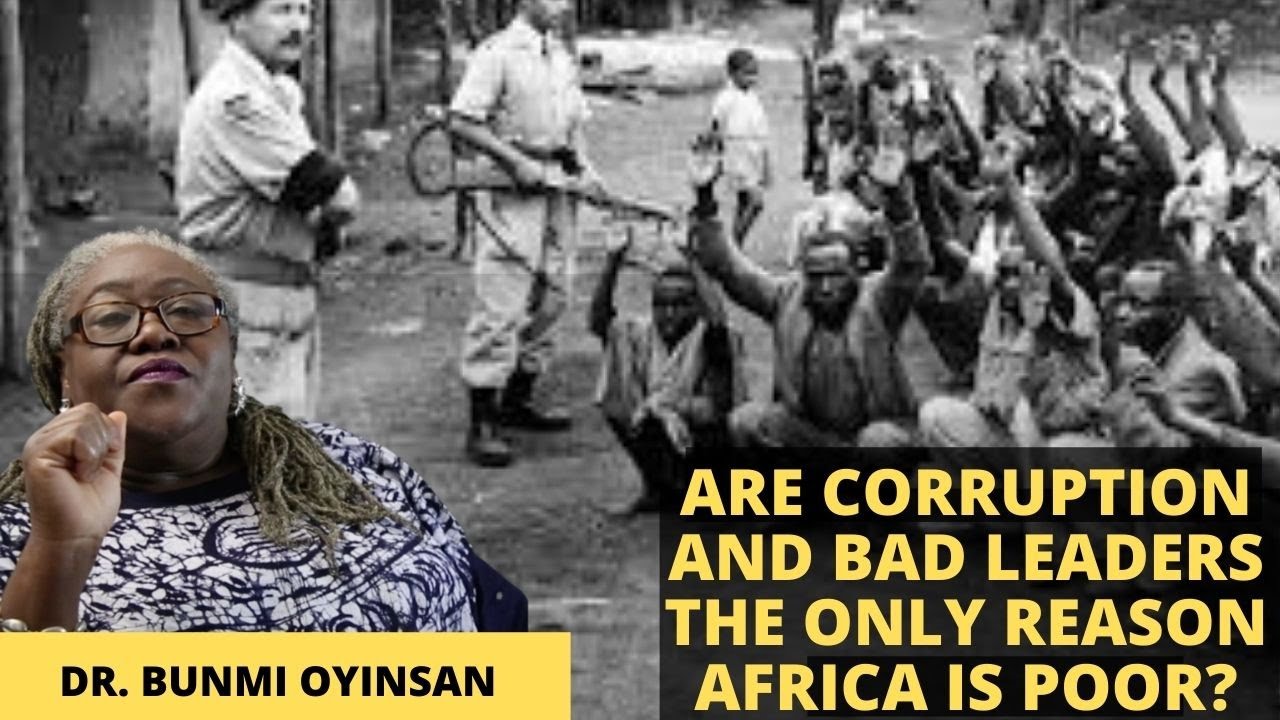
This video from the Sankofa Pan African Series discusses the reasons behind Africa's poverty despite its rich resources, highlighting the role of unfair trade practices, exploitation by multinational corporations, and the illusion of foreign aid. It challenges the narrative of inherent African corruption, pointing out systemic issues perpetuated by global powers and advocating for industrialization, resource control, and fair trade terms as the keys to Africa's true emancipation.
- Unfair trade practices and policies imposed by organizations like the WTO, IMF, and World Bank hinder Africa's industrialization and self-sufficiency.
- Multinational corporations exploit structural adjustment policies to extract wealth from African countries, often with the collusion of political leaders.
- Foreign aid is often a smokescreen that doesn't alleviate poverty and can even exacerbate corruption and dependence.
- Corruption exists globally, but in Africa, it has been deliberately entrenched by external forces to maintain control and exploitation.
- True emancipation for Africa requires industrialization, control of resources, and fair trading terms to enable self-determined development.
Introduction
The video begins by questioning why Africa, despite being rich in resources, remains the poorest continent. It introduces the Sankofa Pan African Series and encourages viewers to subscribe and turn on notifications.
The Impact of Industrialization and Trade Imbalance
The desire of African countries to industrialize led them to depend on former colonizers for equipment, creating an expensive cycle that strangles Africa. The World Trade Organization (WTO) was established to address trade imbalances but has instead caused significant damage to sub-Saharan Africa. The IMF and World Bank are also criticized as instruments of economic oppression, responsible for Africa's lack of self-sufficiency in food production. The WTO's agreement on agriculture prevents African and Caribbean countries from subsidizing their food production while allowing rich countries to do so.
The Plight of African People
The video highlights the plight of African children starving due to their parents' inability to earn a decent living from mines and farms. It questions how Europeans can ignore the desperate journeys of young Africans risking their lives to reach Europe, driven by the same conditions that cause starvation. The presenter expresses anxiety about whether the new head of the WTO will remove the stranglehold on Africa, the Caribbean, and other developing countries, which prevents them from industrializing.
The Illusion of Foreign Aid
The presenter questions why superpowers provide billions in foreign aid to Africa annually if they want the continent to remain poor. The video challenges the idea that aid alone can transform a poor country into a rich one, arguing that "poverty alleviation" strategies only increase poverty. Research indicates that developing countries in Africa and the Caribbean lose more money annually than they receive through aid, investment, and remittances.
Multinational Exploitation and Corruption
Multinational companies exploit structural adjustment policies of the World Bank and IMF, fraudulently misreporting the value of imports and exports to reduce tax. Their wealth allows them to act above the laws of host countries, coerce political leaders, and perpetuate corruption, which is then cited as the reason for Africa's poverty. Governments are willing to support dictators as long as they don't hinder exploitation.
Challenging the Narrative of Inherent Corruption
The video addresses the issue of corruption and poor leadership, arguing that attributing Africa's underdevelopment solely to these factors implies an inherent flaw in Africans. Corruption exists everywhere, and Africans are not inherently corrupt. While developed countries have evolved systems to check corruption, developing countries have had corruption deliberately entrenched. Aid from developed countries is suggested to initiate and entrench corruption in the developing world, propping up poor leaders.
Pathways to Emancipation
The presenter asserts that aggressive industrialization, control of resources, and fair trading terms are essential to end poverty in Africa and the Caribbean. These countries need to process raw materials, determine prices, and challenge the IMF, World Bank, and WTO, even with an African woman at its head, until their interests are ensured. Economic growth will enable better governance, security, and address issues like unemployment and ethnicity.
Systemic Issues and Call to Action
The video highlights the destruction of African land through exploitation by colonizers and multinationals, as well as the impact of climate change caused by developed countries. The global economic, trade, and information systems are structured to disadvantage developing countries. Unfair intellectual property laws, such as attempts to trademark the word "Yoruba," are cited as examples. The standard of living in the developed world is enjoyed on the backs of citizens in sub-Saharan Africa and the Caribbean. The video urges viewers to question unfair trade balances and insist on Africa's true emancipation now.

