
Brief Summary
This video explores the harrowing stories of musicians in Nazi concentration camps who were forced to create art amidst unimaginable suffering. It details how music was used for propaganda, psychological torture, and control, and highlights the lives of musicians like Alma Rosé, Anita Lasker-Walfish, and Viktor Ullmann, who found both salvation and condemnation in their music. The video also examines the complexities of memory, morality, and the enduring power of art in the face of extreme inhumanity.
- Music was used by Nazis as a tool for propaganda, psychological torture, and control in concentration camps.
- Musicians in camps experienced a mix of privilege and guilt, surviving because of their talent while witnessing the suffering of others.
- The story of Teresienstadt reveals the perversion of art as a tool for deception, masking the horrors of the Holocaust.
Introduction: The Surreal Reality of Music in Concentration Camps
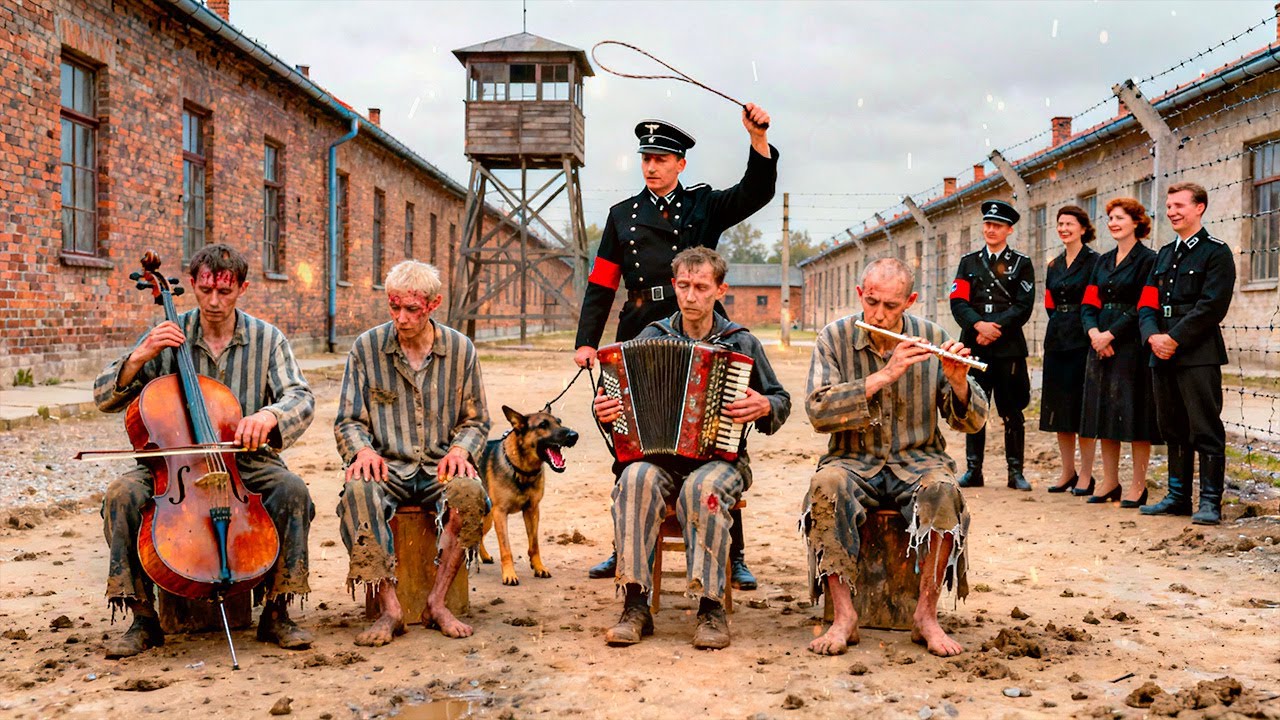
The video opens by painting a picture of the arrival at Auschwitz, contrasting the expected horror with the presence of a professionally played orchestra performing upbeat Viennese waltzes. This juxtaposition highlights the surreal and disturbing aspect of the Holocaust, where the Nazis forced victims to create art while perpetrating genocide. The video introduces the concept of concentration camp orchestras, present in over 20 camps, including six in Auschwitz, where music served sinister functions such as propaganda, entertainment, psychological torture, and control.
The Birth of Musical Hell: Origins of Camp Orchestras
The first camp orchestra emerged in Dachau in 1933, initially for practical reasons: to synchronize prisoners' movements to and from labor. This evolved into a tool for propaganda, creating an illusion of normalcy for visiting inspectors, and for the entertainment of SS officers. The orchestras also served as a form of psychological torture, forcing prisoners to create beauty amidst horror, demonstrating absolute power over their lives and talents.
Auschwitz: Music on the Ramp and Beyond
In Auschwitz, the first orchestra was formed by Adam Copicinski, a Polish prisoner and musician, under threat of execution. Instruments were confiscated from murdered Jews, adding a macabre irony to the performances. The orchestra's initial purpose was to play marches as prisoners marched to work, but it soon expanded to include playing on the ramp during the arrival of new transports, creating a deceptive sense of calm before the victims were sent to the gas chambers. The orchestra also played during public executions, sometimes with deliberately cheerful music as a sadistic contrast.
Alma Rosé: The Inflexible Director
Alma Rosé, niece of Gustav Mahler and a renowned violinist, became the director of the women's orchestra in Auschwitz-Birkenau in 1943. She was known for her strict discipline and relentless pursuit of perfection, understanding that the orchestra's survival depended on its quality. Rosé pushed her musicians to their limits, facing resentment but also earning respect for her efforts to keep them alive. The orchestra performed complex repertoire for the entertainment of SS officers like Josef Mengele, highlighting the disturbing contrast between beauty and brutality.
Musicians as Martyrs: Stories of Survival and Guilt
The video shares the stories of individual musicians, such as Anita Lasker-Walfish, who survived Auschwitz because of her cello skills. She later became a professional cellist but was haunted by the guilt of playing for the Nazis. Fania Fenelon, another member of the women's orchestra, worked as an arranger and later wrote a controversial book about her experiences, highlighting the complexities and discrepancies of memory among survivors. Simon Laks, a director of the men's orchestra, faced criticism for his candid reflections on the artistic satisfaction he sometimes found in his role, despite the horrors of Auschwitz.
Teresienstadt: The Musical City of Deception
Teresienstadt (Terezin) was used as a propaganda tool by the Nazis to deceive the world about their treatment of Jews. The camp was presented as a "spa town" for elderly and prominent Jews, with a thriving musical scene. Despite the illusion, Teresienstadt was a transit camp with high mortality rates, where prisoners were eventually deported to extermination camps. The Nazis allowed musical activities to create a false image of normalcy, even staging concerts for Red Cross inspections.
Composers of Teresienstadt: Art Amidst Horror
The video highlights several composers who were imprisoned in Teresienstadt, including Viktor Ullmann, Gideon Klein, Pavel Haas, and Hans Krása, all of whom continued to create music despite the horrific conditions. Ullmann's opera "Der Kaiser von Atlantis," a thinly veiled critique of Hitler, was banned shortly before its planned premiere. Klein, Haas and Krása were eventually deported to Auschwitz and murdered. Their surviving compositions stand as testaments to their resilience and defiance.
Legacy and Lessons: Remembering the Music of Horror
The video concludes by reflecting on the complex legacy of the concentration camp orchestras. While the music created in these camps is beautiful and artistically significant, it was also used for propaganda and deception. The video emphasizes the importance of remembering both the beauty of the art and the horror of the context in which it was created. The stories of these musicians teach us about the perversion of culture, the resilience of the human spirit, and the moral complexities of survival in extreme circumstances. The video urges viewers to honor the memory of these musicians by continuing to perform and listen to their works, ensuring that their voices are not silenced.

