
Brief Summary
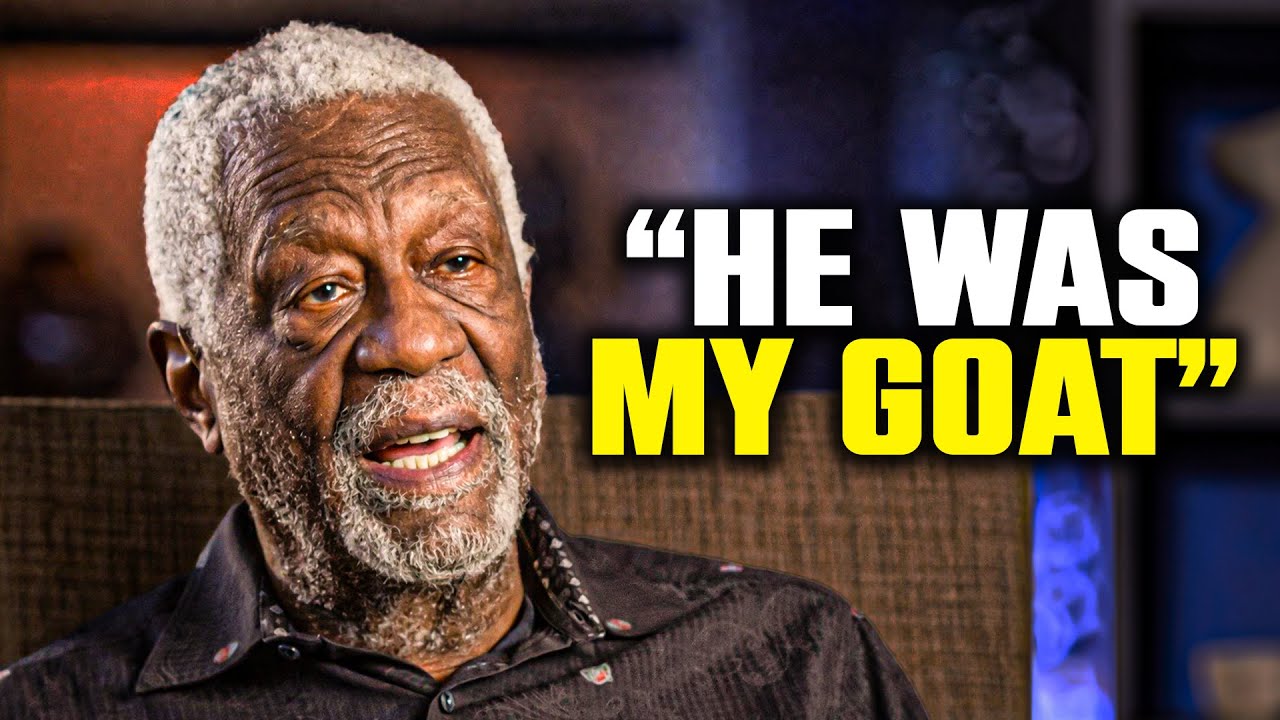
This video explores Bill Russell's criteria for basketball greatness, highlighting his emphasis on winning, team play, presence, and commitment over individual statistics. It examines his list of the seven greatest players, working backward from Bob Pettit to Magic Johnson, and explains the reasoning behind each selection, revealing Russell's profound understanding of the game and the qualities that truly define excellence.
- Winning and team play are paramount.
- Presence and basketball intelligence are key.
- Commitment and mental toughness are essential.
- Individual brilliance becomes art at the highest levels.
Introduction
The video introduces Bill Russell's unique perspective on basketball greatness, diverging from contemporary internet debates focused on individual statistics and highlight reels. Russell's criteria, rooted in his experience as the ultimate team player, emphasize winning, presence, and commitment. The video promises a masterclass in understanding true greatness in basketball, as defined by Russell's championship-driven philosophy.
Russell's Rules for Greatness
In 1997, during the NBA's 50th-anniversary celebration, Bill Russell shared his criteria for evaluating basketball greatness in conversations with Wilt Chamberlain. Russell's rules prioritized winning as the ultimate objective metric, dismissing individual statistics, MVP awards, scoring titles, and All-Star selections as subjective. He valued "presence," a player's ability to dominate the court's atmosphere and force opponents to alter their strategies, and emphasized how much a player elevates their teammates' performance. Commitment, mental toughness, and basketball intelligence were also key factors in Russell's assessment.
Bob Pettit: Number 7
Bob Pettit is ranked seventh on Russell's list because he embodies the will to win and relentless competition. Pettit led his team to a finals victory over Russell's Celtics in 1958, scoring 50 points and grabbing 19 rebounds in the championship-clinching game. Russell respected Pettit's work ethic and the personal connection they shared, including Pettit's respect for Russell's grandfather. Pettit's inclusion is a tribute to the only man who defeated Russell in the finals during his prime.
Hakeem Olajuwon: Number 6
Hakeem Olajuwon is ranked sixth, representing the modern evolution of the center position. Olajuwon possessed elite defensive footwork, shot-blocking ability, and psychological intelligence. Russell admired Olajuwon's approach to the game as a student, constantly learning and refining his craft. Russell preferred Olajuwon's technical skills and basketball intelligence over raw athleticism and power, valuing his ability to break opponents' habits through intelligence and timing.
Oscar Robertson: Number 5
Oscar Robertson, nicknamed "The Big O," is ranked fifth for his ability to dominate every statistical category from the guard position. Robertson's style was described as mechanical yet flowing, like a chess match unfolding on the court. In 1961-1962, he became the first player to average a triple-double for an entire season. Russell respected Robertson's relentless pursuit of victory and his strategic mind, which made him difficult to guard.
Elgin Baylor: Number 4
Elgin Baylor is ranked fourth, despite never winning an NBA championship. Baylor was a bridge between old and new basketball, playing above the rim with revolutionary creativity. Russell recognized that Baylor's presence elevated the Lakers into perennial contenders. Baylor's artistic flare and creativity took the sport to new heights, making him a unique case in Russell's evaluation system.
Larry Bird: Number 3
Larry Bird is ranked third, and Russell stated he would choose Bird for a single must-win game. Bird possessed a total game, excelling in scoring, rebounding, passing, and defense. He had late-game confidence and basketball intelligence. Bird's holistic approach and willingness to do whatever it took to win resonated deeply with Russell. Bird was an intellectual competitor who outthought opponents and executed with precision.
Michael Jordan: Number 2
Michael Jordan is ranked second, even before securing his final two championships. Russell called Jordan the best ever in basketball history, not based on scoring alone, but on how those points were achieved and their impact on winning games. Russell recognized Jordan's strategic mind, which matched his own defensive genius. Jordan was a winner first and a scorer second, elevating his team's chances of winning.
Magic Johnson: Number 1
Magic Johnson is ranked first due to his competitive DNA and unwavering winner mentality. Both Johnson and Russell led their teams with a focus on winning championships. Russell respected Johnson's ability to lead a team with excellence and purpose. Johnson prioritized assists over scoring, made his teammates better, and radiated joy-like energy. Johnson was the quintessential orchestrator, making everyone around him better.
Kareem Abdul-Jabbar: The Omission
Kareem Abdul-Jabbar's absence from the list is addressed, noting his status as the all-time leading scorer and six MVP awards. Some critics argued his numbers came from a weaker era or that he was second to Magic on the Lakers. Russell's criteria emphasized presence and leadership, and some felt Kareem wasn't feared like Jordan or Bird. This omission highlights the subjectivity of greatness, even among legends.
Conclusion
Russell's list emphasizes winning, team elevation, commitment, mental toughness, presence, and basketball intelligence. His selections represent the evolution of basketball across eras and the different ways excellence can manifest. Russell's legacy lives through these seven players and his philosophy that winning is everything and winning together is the only thing that truly matters.

