
Brief Summary
A Chinese tanker successfully navigated the Strait of Hormuz despite a U.S. military blockade, highlighting geopolitical tensions between the U.S. and Iran. This event, occurring in a crucial global energy transit route, has drawn international attention. The U.S. imposed sanctions on the tanker and its owner for trading with Iran, aiming to limit Iran's energy sector activities. Despite these sanctions and increased security risks, some ships continue to transit the strait, while others delay or reroute. China has criticized the U.S. blockade, advocating for diplomatic solutions to maintain stability in global trade and energy supply.
- A Chinese tanker successfully passed through the Strait of Hormuz despite a U.S. blockade.
- The U.S. had imposed sanctions on the tanker and its owner for trading with Iran.
- China criticized the U.S. blockade and called for diplomatic solutions.
Chinese Tanker Navigates Strait of Hormuz
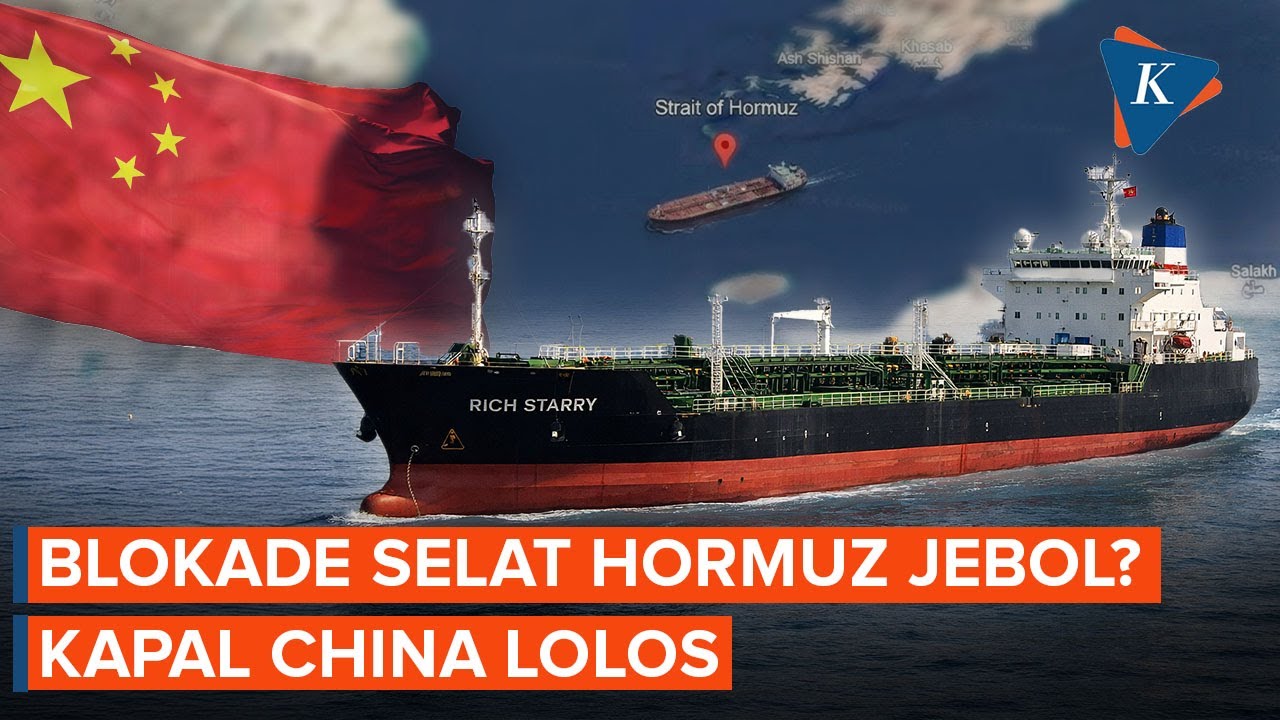
A Chinese tanker successfully passed through the Strait of Hormuz despite a U.S. military blockade in the area. This event occurred amidst rising geopolitical tensions between the United States and Iran. The successful passage of the tanker has garnered global attention due to the strait's strategic importance as a key energy route.
Details of the Tanker's Passage
Shipping data indicates that a vessel named Rich Terry successfully crossed the Strait of Hormuz on Tuesday, becoming the first ship to exit the Gulf since the blockade began. This information was confirmed by maritime monitoring agencies such as LSEG, Marine Traffic, and Kyad. The successful transit demonstrates that maritime activities persist despite military restrictions.
U.S. Sanctions and Company Information
The United States had previously imposed sanctions on the Rich Terry and its owner, Shanghai Swan Shipping Co Ltd, for engaging in trade with Iran. These sanctions aimed to curtail economic activities related to Iran's energy sector. Despite the sanctions, the tanker proceeded with its journey and successfully navigated the blockade.
Cargo and Crew Details
The Rich Terry is a medium-range tanker carrying approximately 250,000 barrels of methanol. The cargo was loaded from the port of Hamria in the United Arab Emirates. The ship is manned by a Chinese crew, and its operations proceeded normally without any disruptions during its passage through the strait.
Other Vessels and Route Changes
Another sanctioned vessel, Murli Kisan, was also detected entering the Strait of Hormuz, traveling empty. This ship is scheduled to load fuel in Iraq in April and has a history of transporting oil from Russia and Iraq. In response to the increased security risks, numerous other ships have opted to delay or alter their routes, causing a significant drop in vessel traffic, down to below 10%.
U.S. Blockade and Objectives
The United States initiated a naval blockade on April 13, 2026, following unsuccessful negotiations with Iran. The U.S. government aims to pressure Iran's energy exports by restricting maritime access, thereby increasing political pressure on the Iranian government. The blockade targets vessels entering and exiting Iranian ports, with potential interception by military forces for those deemed in violation, and monitoring is concentrated around the Gulf of Oman and the Strait of Hormuz.
Strategic Importance of the Strait of Hormuz
The Strait of Hormuz is a critical route for global energy distribution, handling approximately 20% of the world's oil and gas supply. Its strategic location means that any disruptions directly impact global markets, making countries heavily reliant on the smooth operation of this route.
China's Response and Call for Diplomacy
In response to the U.S. actions, the Chinese government stated that the blockade could harm global interests and advocated for resolving the conflict through diplomatic dialogue. Beijing believes the blockade could destabilize trade and the global energy supply chain, potentially leading to increased oil prices that would burden the global economy. China urged all parties to exercise restraint to prevent further escalation, emphasizing diplomacy as the safest approach to maintaining the security of international shipping lanes.
Implications of Breaching the Blockade
The successful passage of the Chinese ship through the blockade indicates gaps in surveillance and suggests that military control is not entirely effective. Maritime activities can still occur under certain conditions, posing a challenge to the implemented blockade strategy.
Ongoing Tensions and Global Impact
Tensions between the United States, Iran, and China continue to escalate in the region. This event underscores the vulnerability of global energy routes to disruptions. The situation in the Strait of Hormuz remains a major global concern, with future developments set to influence energy stability and global security.

