
Brief Summary
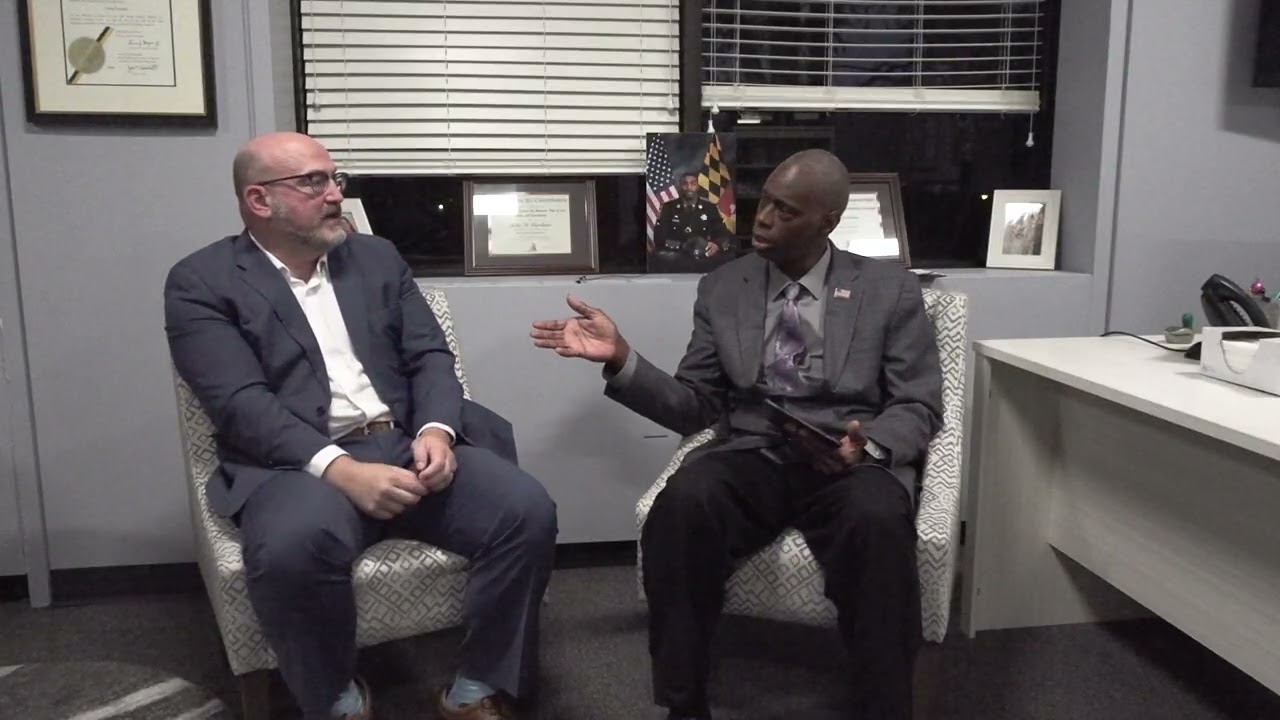
This video features an interview with Bonnie, who is recognized as an unsung hero in her community for her dedicated work ethic and collaborative approach to county governance. The discussion covers various aspects of the county's financial management, including public debt, budget allocation, and school safety initiatives. Bonnie emphasizes the importance of collaboration between departments, efficient use of resources, and proactive engagement with state and federal representatives to advocate for the county's needs.
- Bonnie is recognized as an unsung hero in her community.
- The county's financial management, including public debt and budget allocation, is discussed.
- School safety initiatives and funding are explored.
- Collaboration and efficient resource use are emphasized.
- Proactive engagement with state and federal representatives is highlighted.
Introduction and Appreciation
The host starts by acknowledging Bonnie as an unsung hero within the local community, highlighting her consistent efforts and leadership in various initiatives that often go unnoticed by the general public. He points out that Bonnie's work ethic and dedication have been recognized by figures like Governor Hogan, leading to her involvement in significant projects. The host emphasizes that her contributions stem from a genuine commitment to her work rather than a desire for personal recognition.
The "We Will Not Be Outworked" Motto
Bonnie shares the story behind her unofficial motto, "We will not be outworked," which originated during Carl's campaign for delegate. She recounts an encounter with Jennifer Shut, then a writer for the Daily Times, where she expressed their campaign's commitment to relentless effort. Bonnie explains that this motto reflects her belief that while intellect and other factors have limitations, effort is something one can control. She extends this philosophy beyond politics, advocating for giving one's all and striving to outwork others without pride.
Collaboration and Efficiency in County Government
Bonnie describes the importance of collaboration among different county departments to enhance efficiency. She mentions the revival of department head meetings to foster better communication and teamwork, especially after the pandemic-induced remote work. Bonnie illustrates this with examples such as public works collaborating with planning and zoning, and the in-house collaboration for events like the rodeo, emphasizing that these collaborations save costs and improve service delivery.
County's Public Debt and Financial Management
Bonnie addresses the county's public debt, stating that it is approximately $182 million after recent bond issues for various projects. She justifies the debt by explaining that it funds long-term projects like the civic center improvements, which will benefit the community for decades. Bonnie also highlights the importance of making hard choices during budget times, prioritizing essential projects while deferring others to manage debt effectively. She emphasizes the need for departments to be transparent about their needs and requests, even if they seem unlikely to be funded.
Surplus and Investment Strategies
Bonnie clarifies that the county has an unfunded balance of about $80 million, which serves as a financial cushion. She explains that the finance department aims to maintain a certain number of months' worth of operating expenses in reserve. Bonnie mentions a past initiative where the county invested unfunded money, generating about $5 million in interest and investment profit, which was then used to fund projects like the Athl Road repairs. She expresses hope for similar opportunities in the future but notes that unfunded mandates from the Maryland General Assembly can impact these decisions.
Debt Ceiling and Credit Rating
Bonnie states that the county is capped at using 12% of its budget for debt service, and the current rate is at 7.4%. She highlights the importance of maintaining a healthy savings account to secure favorable bond ratings. The county has been upgraded to AA+ by two of the three rating agencies due to its financial management and strategic investments in economic development projects like the airport and water/wastewater infrastructure.
Education Funding and Fruitland Project
Bonnie discusses the county's commitment to education, particularly the Fruitland school project. She explains that the state's funding for school construction (through the IA) often falls short of projections, requiring the county to forward fund a portion of the project. The state then reimburses the county over time. Bonnie acknowledges the financial strain this places on the county, especially given the state's deficit.
School Safety Initiatives
Bonnie addresses the pressing issue of school safety and the county's plans to implement metal detectors in schools. She mentions that Dr. Staer presented a proposal for weapon detection systems, estimated to cost around $6 million, which includes both equipment and safety personnel. The initiative aims to cover all schools (elementary, middle, and high) due to weapons being found in all levels. Bonnie notes that the funding source for this initiative is still under discussion, considering whether to lease or buy the equipment and how to allocate the costs between the education and sheriff's office budgets.
Budget Allocation and Priorities
Bonnie acknowledges that the sheriff's office and education are the two largest recipients of county budget funds. She clarifies that the proposed school safety personnel will not be armed SROs but rather trained individuals focused on de-escalation and operating the metal detectors. Bonnie emphasizes the county executive's commitment to increasing maintenance of effort for education, having done so every year of her term.
Advocacy in Annapolis and Washington D.C.
Bonnie underscores the importance of the county executive and her staff actively engaging with state and federal representatives to advocate for the county's needs. She highlights the success in securing additional disparity grant funding by directly communicating with appropriations and the governor's staff. Bonnie notes that having a local voice testify in Annapolis is a force multiplier, complementing the efforts of organizations like the Maryland Association of Counties (MACO) and the Maryland Municipal League (MML). She also mentions regular interactions with U.S. senators and Congressman Harris to provide a local perspective on policy matters.
Conclusion and Appreciation
The host concludes by acknowledging Bonnie's widespread recognition and influence within Maryland, emphasizing her ability to connect with key figures like Governor Hogan. He expresses gratitude for her informative insights and reiterates his appreciation for her work as an unsung hero in the county.

