
Brief Summary
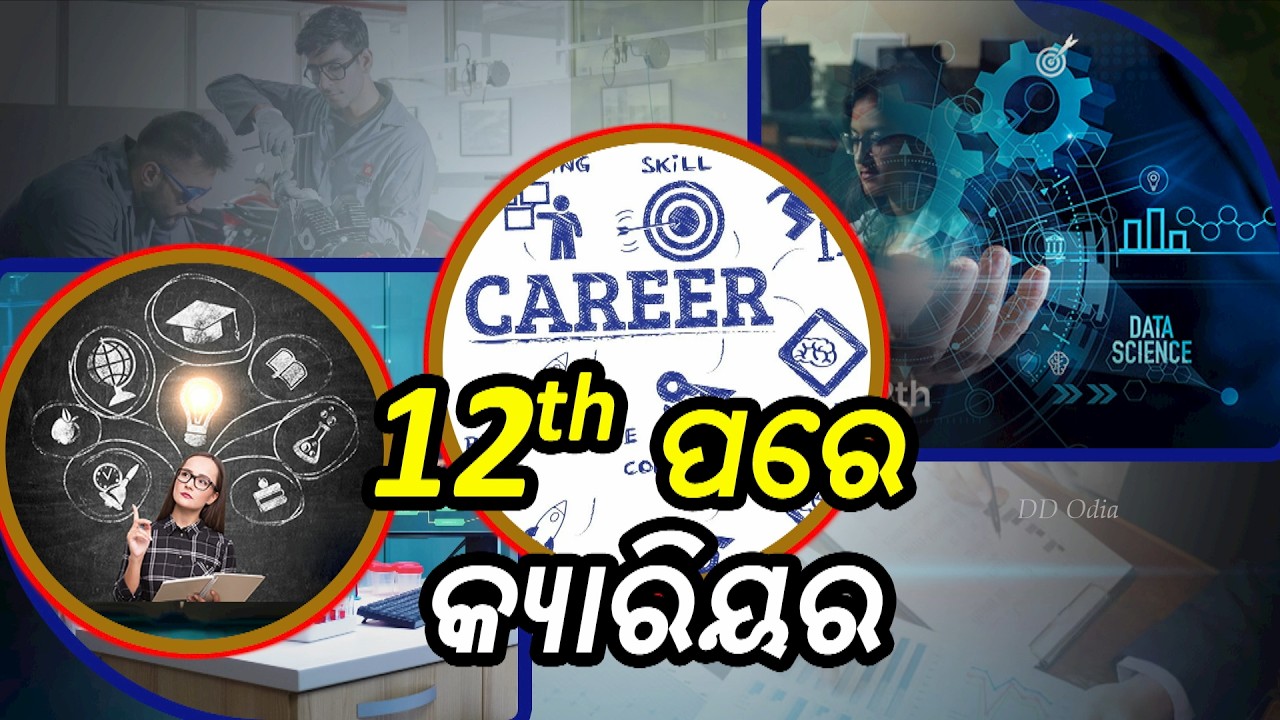
This YouTube video features a career counseling session focused on career options after the 12th grade. It emphasizes the importance of understanding one's interests and aptitude, rather than blindly following traditional paths or societal pressures. The discussion covers various fields such as Arts, Science, and Commerce, highlighting emerging career opportunities and the need for students to make informed decisions with the support of parents and educators. The session also addresses the significance of hobbies, managing social media, and the realities of starting a business.
- Importance of self-awareness in career choices.
- Exploration of diverse fields like Arts, Science, and Commerce.
- Guidance on managing social media and pursuing hobbies.
- Insights into entrepreneurship and the importance of practical experience.
Introduction
The host welcomes viewers to the career counseling session, which focuses on career options after the 12th grade, following up on a previous discussion about options after the 10th grade. The session aims to provide guidance and clarity to students and parents navigating the crucial decision-making process. Career counselor Madhupita Mahapatra is introduced as the expert for the discussion.
Importance of 12th Grade
The 12th grade is described as a crucial stepping stone that significantly impacts future career decisions. It's a time when students decide on a field, influencing their entire lives. This decision affects not only the students but also their parents and teachers. Many students feel lost due to various distractions, including social media and the desire for instant gratification, which affects their concentration and discipline.
Parental and Societal Pressures
Parents often push their children towards science, believing it offers more opportunities than arts or commerce. However, this perspective is outdated. Every field has its importance, and students should pursue what they are passionate about and good at. Educators and parents need to logically guide students, understanding their interests and helping them make informed decisions.
Career Options in Arts
The arts field, or humanities, is highly versatile, encompassing subjects like psychology, sociology, political science, and English. The New Education Policy (NEP) introduces new subjects, allowing students to combine interests, such as English with design. This opens doors to fields like advertising, content writing, and creative editing. Liberal arts allows combining science and humanities subjects, such as biology with psychology or mathematics with English, offering diverse paths.
Combining Subjects and Challenging Traditional Views
It's essential to recognize that individual subjects don't define a career path. Students can combine subjects from different streams to create unique career opportunities. For instance, someone good at mathematics can explore data science, even without a strong inclination towards science. The key is to have an open mind and understand the possibilities.
Career Options in Science
Many believe that excelling in mathematics and science leads to traditional careers like engineering or medicine. However, enjoying mathematics doesn't necessarily mean one must pursue science. Data science and data analytics are fields where mathematics is heavily used. Students can also combine mathematics with humanities or commerce, highlighting the importance of exploring diverse options.
Career Options in Commerce
The commerce field offers more than just MBA, chartered accountancy, and cost accountancy. Modern management and business analytics are expanding, with opportunities in fintech companies and investment banking. Even without strong mathematical skills, one can excel in HR or public relations by leveraging people management skills. Business designing and product designing are also viable options for those with creativity.
Technical Fields and Artificial Intelligence (AI)
Technically inclined students can explore AI, which is a broad field with applications across various disciplines. While coding and writing are core technical aspects, AI extends to commerce, arts, psychology, and sociology. Students can pursue certificate or diploma courses to enhance their skills and knowledge in AI, regardless of their chosen field.
Options for Students with Poor Results
Students who face poor results or feel blocked have options to earn and establish themselves. Government-supported ITI (Industrial Training Institute) and diploma institutes offer various technical and non-technical courses with stipends and support. Semi-skilled workers are in demand, and ITI training provides valuable skills. These institutes are available in every district, offering affordable education with fee reductions for female students and those from disadvantaged backgrounds.
Resources and Awareness
Awareness is crucial for students to find the right resources. The Skill Odisha website provides information on ITI colleges and available courses. While the internet can be distracting, it also offers valuable information. Students should search for specific information about their interests. The SWAYAM portal offers self-paced courses with video lectures and self-assessment, providing certificates upon completion of exams at designated centers.
SWAYAM Portal and Credit Transfers
The SWAYAM (Study Webs of Active-Learning for Young Aspiring Minds) portal offers numerous certificate courses, from engineering to management and humanities, suitable for students from class nine to professionals. These courses allow credit transfers to universities, following UGC (University Grants Commission) guidelines. The courses are mostly free, with nominal costs for exams, making education accessible to all.
Demanding Careers and Essential Skills
Today's careers require more than theoretical knowledge; creativity is highly valued. Emerging fields include data science, data analytics, actuarial science, public policy, hospital management, and sports management. These careers are accessible after the 12th grade and are expected to grow in the coming years.
Self-Assurance and Career Enjoyment
Many students follow trends or parental advice without self-assurance, leading to dissatisfaction. It's crucial to listen to one's inner calling and enjoy the chosen career. Schools, teachers, and counselors should provide assessments to identify students' interests and passions. Parents should avoid pressuring their children and support their unique paths.
Importance of Time and Awareness
Teachers and parents need to spend time understanding students' interests and providing awareness about different career options beyond traditional fields like engineering and medicine. Counselors and educators should help students identify their long-term interests through conversations and assessments.
Hobbies and Extracurricular Activities
It's a misconception that extracurricular activities distract from studies. Hobbies provide mental happiness and should be encouraged. Students need breaks, and engaging in hobbies like sports, music, or drawing is beneficial. Hobbies help manage stress and provide a mental break, allowing for renewed focus and energy.
Social Media and its Impact
Social media is a double-edged sword, offering knowledge and distraction. Excessive involvement can be detrimental. Parents should monitor their children's phone usage and engage in conversations about their interests. Balancing social media with real-life activities is essential.
Entrepreneurship and Startups
Many young individuals are interested in entrepreneurship and startups. While it's commendable, it's important to understand the realities. Not everyone is suited for entrepreneurship, and certain qualities like emotional intelligence, analytical thinking, and people management skills are necessary. Gaining experience and identifying innovative solutions are crucial for success. Starting at a basic level and understanding the field is essential before launching a startup.
Conclusion
The session concludes by emphasizing the importance of addressing root issues and working diligently in the chosen field. The host thanks the career counselor for sharing valuable information and encourages viewers to make informed decisions, persevere through challenges, and strive for success.

