
Brief Summary
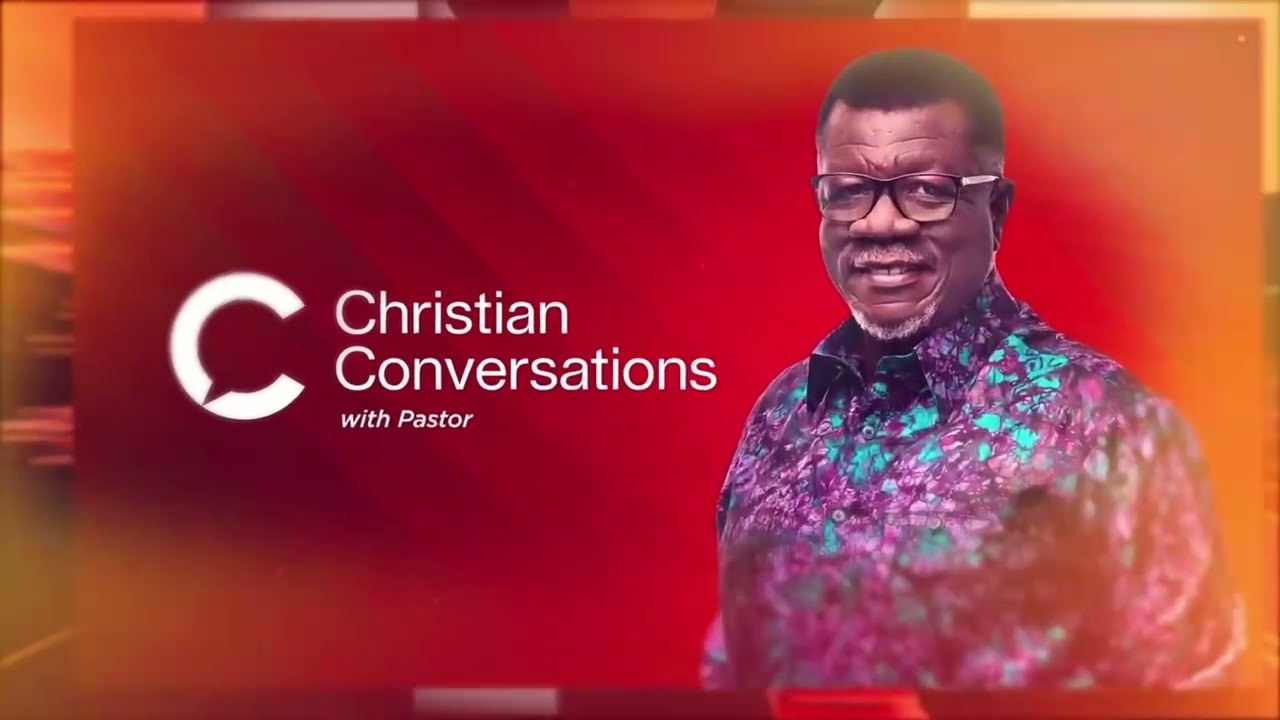
This video features Mensa Otabil answering questions on Christian beliefs, free will, salvation, and prosperity. He emphasizes the importance of core Christian beliefs for unity, addresses criticisms against the resurrection, and explains the balance between God's sovereignty and human free will. He also discusses the universality of God's judgment and the path to salvation through Christ, highlighting the need for Christians to actively share their faith. Finally, he contrasts Old and New Testament views on prosperity, linking material success to good stewardship and diligence.
- Core Christian beliefs are essential for unity among Christians.
- The resurrection is rooted in factual human experience and not blind faith.
- God's sovereignty and human free will coexist, allowing for genuine choices and accountability.
- Salvation is based on God's mercy and grace through Christ's sacrifice.
- Material prosperity in the New Testament is linked to good stewardship and diligence.
Core Christian Beliefs and Denominational Differences
Mensa Otabil addresses the question of whether denominational differences matter in Christianity, particularly in the context of marriage. He asserts that all Christians share a common belief system rooted in the creeds of the church, specifically the Nicene Creed, which outlines the nature of God, Jesus Christ, and the Holy Spirit. He states that a person who doesn't subscribe to these core beliefs cannot be considered a Christian. While denominational differences exist, such as between Catholics and Protestants, the fundamental belief in the Trinity is essential. For a marriage to work, both individuals must adhere to these core Christian beliefs, while other differing beliefs that impact behavior should be examined for potential conflicts.
Addressing Criticisms of the Resurrection
Otabil responds to the criticism that early believers in the resurrection were uneducated and easily predisposed to believe in the supernatural. He argues that this view is arrogant and ahistorical, pointing out the sophistication of ancient philosophers like Plato and Aristotle. He notes that even the disciples struggled with the concept of the resurrection, as evidenced by Thomas's demand for physical proof. The resurrection is a unique claim about Jesus, not a general belief about everyone who dies, and it is rooted in factual human experience.
Free Will, God's Sovereignty, and Redemption
Otabil tackles the complex issue of free will in relation to God's foreknowledge and sovereignty. He explains that God created humans in His image, granting them individuality and the ability to respond to His will. While God knows the end from the beginning, this doesn't negate human free will or the basis for judgment. Using the examples of Pharaoh and Judas, he clarifies that individuals have choices, and even in cases of betrayal, redemption is possible through Christ's forgiveness. He emphasizes that Christianity is about redemption and that no sin is beyond God's grace. Even when influenced by external forces like the devil, humans are not robots and still possess the ability to choose.
Salvation and the Unreached
Otabil addresses the challenging question of salvation for those born into non-Christian religions or societies. He asserts that all humans are under God's judgment due to sin, and salvation is not a right but an act of God's mercy and grace. He explains that God has provided a means of salvation through Christ's sacrifice, but whether God will have mercy on those who have not repented through Christ is unknown. He uses the analogy of animals in a burning forest being rescued by a helicopter to illustrate that salvation is based on God's mercy, not on human merit. He also emphasizes the Christian mandate to preach the gospel to all the world, believing in the compelling force of the gospel to draw people to Christ, regardless of their background.
Preaching the Gospel and Divine Inspiration
Otabil explains what it means to preach the gospel properly, emphasizing that it is not about being good to go to heaven, but about believing that Jesus died for humanity. He also addresses the reliability and divine inspiration of Mark's Gospel, noting that Mark was an associate of Peter and received firsthand information from him.
Old Testament vs. New Testament Prosperity
Otabil addresses the question of why some Christians do not prosper, contrasting the Old and New Testament perspectives on prosperity. In the Old Testament, God's promises were visible in material terms, while in the New Testament, the primary blessing is union with Christ. He clarifies that spiritual richness does not preclude material wealth, but material prosperity in the New Testament comes through good stewardship, diligence, and competence, similar to how anyone achieves success. Being a Christian does not exempt one from the hard work and wise decisions necessary for prosperity.

