
Brief Summary
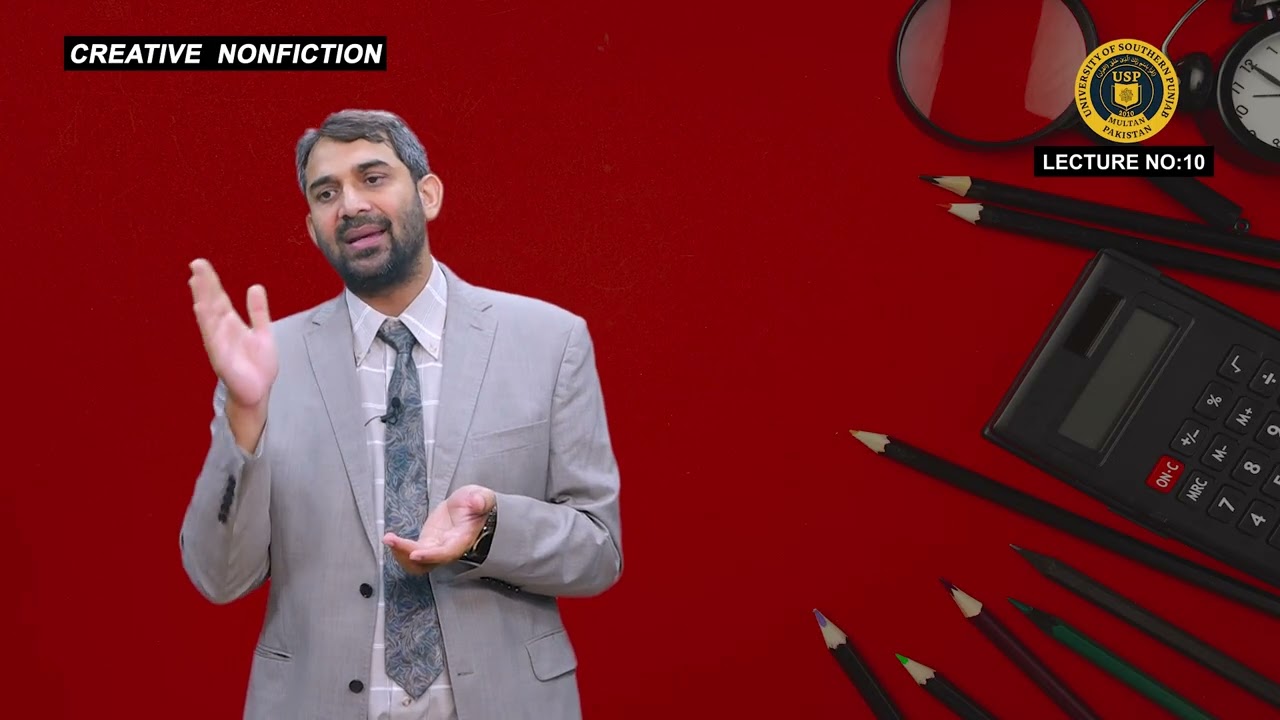
This video introduces Philip Lope's "The Art of the Personal Essay," an anthology exploring personal essays from classical times to the present. It highlights the key characteristics of personal essays, such as their conversational tone, honesty, and individual voice. The discussion covers the anthology's structure, focusing on early writers like Seneca and Montaigne, and emphasizes the importance of stoicism, living with purpose, and managing anger.
- Explores personal essays from classical times to the present
- Highlights key characteristics: conversational tone, honesty, individual voice
- Discusses stoicism, living with purpose, and managing anger
Introduction to Personal Essays
The video introduces "The Art of the Personal Essay" by Philip Lope, an anthology that spans from classical times to the present day. Philip Lope, an American literary critic, examines the history of personal essays from early centuries to the modern era in America. He considers these essays critical for understanding lifestyles and social modes throughout history.
Key Characteristics of Personal Essays
According to Lope, the personal essay is characterized by its friendly, conversational tone, drive towards honesty and confession, and quirky, individual voice. The anthology includes a wide range of essays, showcasing influential forerunners from ancient Greece, Rome, and the Far East, as well as masterpieces from the 16th century onwards. Philip Lope is also considered the father of creative non-fiction.
Stoicism and Seneca
The anthology is divided into five sections, with the initial focus on Lope's examination of Seneca, a Roman philosopher. Seneca, born around the first century, was the son of a wealthy Roman writer and a pioneering figure in developing stoicism. Stoicism is described as a philosophy that encourages people to live by logic rather than desire for pleasure or fear of pain. Seneca's legacy as a stoic was cemented when he calmly took his own life at the request of Emperor Nero.
Seneca's Message: Shortness of Life
One of Seneca's famous essays, "De Brevitate Vitae" (On the Shortness of Life), suggests that life only feels short to those who have wasted it. The video emphasizes the importance of utilizing life meaningfully, urging viewers to avoid wasting time and energy. Seneca argues that people waste their lives in leisure and luxury, which are fleeting pursuits. Instead, one should live with a purpose.
Living with Purpose
The best way to live one's life is to do so with a purpose. Every goal, ambition, and journey should have a purpose. Without purpose, a person is like someone without direction, potentially leading to a dangerous end.
The Importance of Managing Anger
Anger is characterized as a choice, where one actively rejects calm and reason. Happiness leads to efficiency and satisfaction, while anger can result in rejection and negativity from others. The video highlights that being angry leads to a double loss: wasting positive energy and prompting others to become enemies. Friendliness and appreciation are encouraged to foster a healthy atmosphere.
Everyday Life in Ancient Rome
Lope includes personal essays from lesser-known authors of Seneca's era that depict everyday life in ancient Rome, such as visits to public baths and funerals for young daughters. These essays humanize those who lived in the past. The classical texts are directed to five early writers whose work is similar to each other's personal essays.
Montaigne and 16th Century Essays
The second section of the anthology consists of three essays by Michel de Montaigne, a 16th-century French philosopher. Montaigne was admired more as a statesman than an author during his lifetime.

